Article: What an Expert Would Actually Pick for Balancing Oily, Blemish-Prone Skin
What an Expert Would Actually Pick for Balancing Oily, Blemish-Prone Skin

The French philosophy of blemish care
There is a telling divergence between how American drugstore culture has traditionally treated blemish-prone skin and how French pharmacies have approached it for decades. In the standard domestic playbook, excess shine is treated as an adversary to be eradicated. Strong alcohol astringents, high-percentage drying lotions, and harsh foaming cleansers dominate the shelf. The skin is stripped down to an immaculate, tight finish, creating an immediate sensation of cleanliness that rapidly unravels within three hours.
Step into an officine in the sixth arrondissement, however, and you will notice a completely different visual language. The targeted treatments do not promise to blast or scrub anything away. Instead, French dermatological laboratories formulate around the principle of physiological balance. Sebaceous production is not seen as an intrinsic flaw, but as a biological process that has fallen out of equilibrium. The goal is to support sebum quality, refine texture through gentle keratolytic action, and maintain the stratum corneum with soothing, biomimetic hydration.
When you adjust your expectations toward this understated approach, the entire routine simplifies. You no longer need seven aggressive steps designed to counteract the damage done by the first three. By prioritizing high-tolerance actives, sophisticated photoprotection, and barrier-supportive textures, you give oily, congested skin the breathing room it requires to reset itself.
Rethinking the sebum stripping paradox
The most common stumbling block I encounter with persistent congestion is the inadvertent cycle of reactive seborrhea. When the skin surface is depleted of moisture and lipids by harsh surfactant systems, the epidermal barrier is weakened. The skin can feel simultaneously parched and slick — a perplexing combination that many people find difficult to address. In an attempt to restore surface comfort, skin may appear to produce more oil as a visible response.
The visual result is familiar to many: skin that feels tight and uncomfortable underneath, yet reflective on top. Pores can become congested more easily because dead corneocytes shed irregularly when dehydrated, clumping together with sebum. The solution is rarely more exfoliation; it is almost always more intelligent lipid replenishment alongside calibrated keratolytic support.
French pharmacy lines excel precisely at this intersection. Rather than bombarding the skin with maximum-strength acids that destabilize tolerance thresholds, their formulations favor synergistic combinations at moderate percentages. The emphasis is on sustained tolerance over months of daily wear, ensuring that clarity does not arrive at the expense of a sensitized, crimson skin barrier.
Smart photoprotection for shine-prone complexions
For years, the cardinal rule among oily skin sufferers was to skip daily sun protection whenever possible. The heavy, occlusive nature of older chemical filters and thick mineral pastes practically guaranteed an afternoon film of grease, accompanied by clogged pores along the jawline and forehead. Yet daily photoprotection is widely considered a cornerstone of any blemish-management routine. Sun exposure can affect the appearance of post-blemish marks and contribute to an uneven skin tone over time.
This is where modern French photoprotection changes the equation entirely. Rather than adapting an existing beach lotion into an everyday emulsion, French cosmetic chemists formulate sun care with the texture and finish of sophisticated mattifying fluids. If I had to pick an everyday shield for reactive, shine-prone complexions, La Roche-Posay Anthelios UVMune 400 Oil Control Gel-Cream SPF50+ Fragrance-Free represents an exceptional standard in protective formulation.
What makes this formula distinctive is its ability to absorb excess sebum through particulate silica while providing comprehensive filtration across the ultraviolet spectrum, including long UVA rays. The gel-cream texture sets into an invisible, touch-dry velvet finish that neither pills under makeup nor migrates into the eyes as the day heats up. For anyone accustomed to heavy sunscreens that suffocate the skin, it is a revelation in comfortable, shine-regulating daily wear.
Alternatively, when skin is actively dealing with pronounced post-blemish discoloration alongside excess oil, Vichy Capital Soleil UV-Clear Anti-Imperfections Water Fluid SPF 50+ is another considered pick. Its remarkably weightless, aqueous texture spreads seamlessly across congested areas without feeling like an added layer. It leaves a fresh, breathable finish that works harmoniously under humid conditions, proving that high factor protection does not need to feel like a compromise.
Refining texture with high-tolerance actives
When it comes to addressing active blemishes and persistent blackheads, the default instinct is often to reach for high concentrations of free salicylic acid. While beta-hydroxy acids are excellent oil-soluble keratolytics, aggressive application can disrupt the acid mantle, leading to peeling, redness, and interrupted routines. Consistency over time produces clear skin, not single-night chemical shocks.
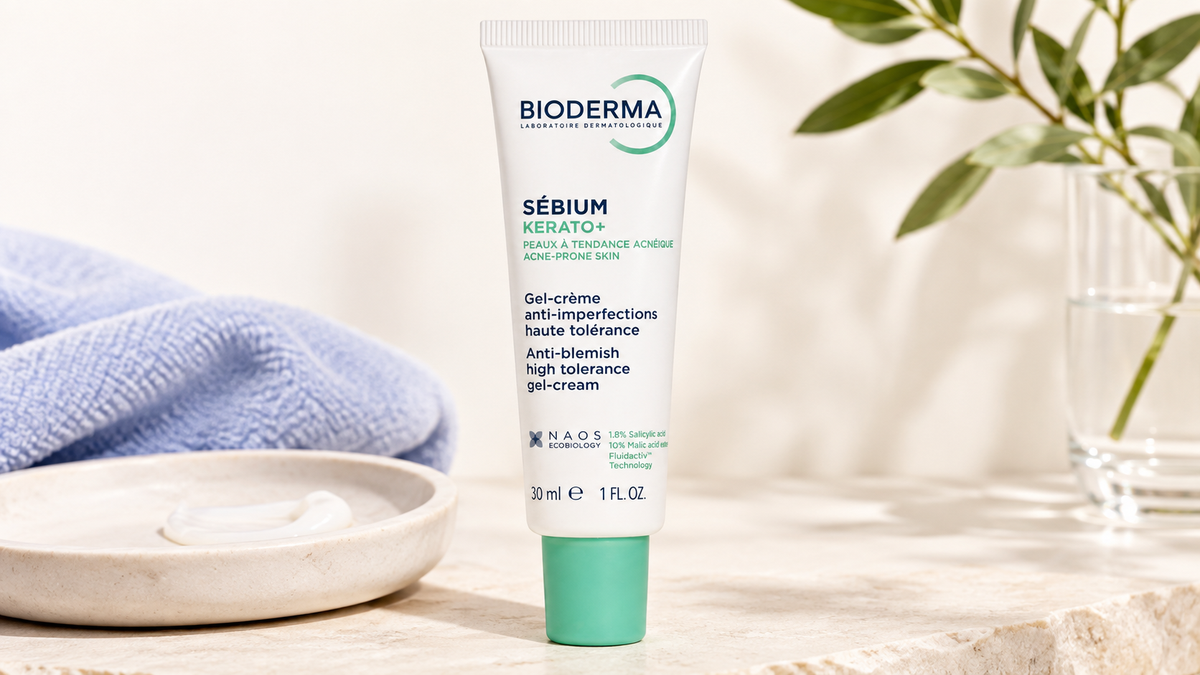
The pick I lean toward for daily textural refinement is Bioderma Sébium Kerato+ Anti-Blemish High Tolerance Gel-Cream. Bioderma approached this formulation with an acute awareness of skin tolerance, blending complementary keratolytic agents that work at both surface and follicular levels without causing noticeable irritation or dryness. It avoids the stinging, flaky downtime commonly associated with blemish gels, allowing you to use it consistently morning or night.
The texture of this gel-cream is remarkably light, sinking into the epidermis without leaving a sticky or tacky film. It functions equally well as a targeted intervention on localized congestion or as a full-face treatment to maintain smooth surface texture. By helping to facilitate normal cell turnover and prevent sebum stagnation, it addresses the visible appearance of imperfections while respecting the skin's surface comfort.
 Bioderma Sébium Kerato+ Anti-Blemish High Tolerance Gel-Cream 30ml$18.0 $21.0
 La Roche-Posay Anthelios UVMune 400 Oil Control Gel-Cream SPF50+ 50ml Fragrance-Free$23.8 $31.0
 Vichy Capital Soleil UV-Clear Anti-Imperfections Water Fluid SPF 50+ – 40 ml$28.7 $34.0
 La Roche-Posay Effaclar H ISO-BIOME Hydrating Care 40ml$19.0 $23.0
The overlooked necessity of barrier hydration
Perhaps the greatest mental shift required when managing oily skin is recognizing that oiliness does not equate to hydration. Water content and lipid production are distinct physiological parameters. In fact, many individuals with oily and blemish-prone complexions find their skin feels severely dehydrated, particularly when undergoing topical treatments that increase cellular renewal.
When skin feels depleted of soothing moisture, it can appear more reactive and sensitive to touch. This is where an intentionally formulated compensatory moisturizer becomes non-negotiable. The goal is to deliver humectant water-binding properties and skin-identical lipids without adding occlusive heaviness that might trap debris within pores.
My definitive pick for this role is La Roche-Posay Effaclar H ISO-BIOME Hydrating Care. Formulated specifically to support skin that has been dried or sensitized by clarifying regimens, this cream offers deep, calming hydration in a remarkably non-greasy texture. It helps restore comfort, softens tight or flaky patches, and supports the skin's surface feel so it appears better able to tolerate active clarifying treatments. Introducing this step is often the missing puzzle piece that allows reactive skin to settle into sustained clarity.
Constructing an intentional daily regimen
A successful skincare routine for blemish-prone skin does not require an overwhelming vanity counter. In practice, having too many competing ingredients creates unpredictability and makes it impossible to isolate which formula is helping or hindering your progress. A deliberate, four-part structure built on pharmacy staples delivers far more reliable results than an ever-shifting ten-step process.
By aligning each product with a distinct physiological purpose — gentle cleansing, targeted cellular turnover, barrier-repairing hydration, and advanced daily photoprotection — you create an environment where the skin can stabilize. The following routine outlines how to bring these components together seamlessly.
-
1. Cleanse with gentle non-stripping water
Begin your morning and evening with a mild, pH-balanced cleanser that lifts surface sebum and debris without leaving the skin tight or squeaky.
-
2. Target congestion with keratolytic care
Apply Bioderma Sébium Kerato+ Anti-Blemish High Tolerance Gel-Cream evenly across clean skin to gently promote cellular turnover and maintain pore clarity.
-
3. Replenish with biomimetic hydration
Follow with La Roche-Posay Effaclar H ISO-BIOME Hydrating Care to deliver essential barrier-supportive moisture and prevent rebound dehydration.
-
4. Shield with an oil-control fluid
Complete your morning routine with La Roche-Posay Anthelios UVMune 400 Oil Control Gel-Cream SPF50+ Fragrance-Free or Vichy Capital Soleil UV-Clear Anti-Imperfections Water Fluid SPF 50+ to protect against UV-induced sebum oxidation.
Understanding formulation nuance and skin responses
When transitioning to a French pharmacy regimen, your skin may take a brief period to adapt. Because these formulas eschew harsh, surface-tightening alcohols in favor of physiological balancing agents, you will not experience that instant matte parchedness that some conventional products produce. Instead, the skin should feel soft, pliable, and comfortable immediately after application.
Within two to three weeks of consistent hydration and gentle keratolytic support, many people notice their skin appears to moderate its own oil output. As the skin's surface comfort improves, the visible signs of excess shine tend to diminish. Pores appear cleaner not because they have been aggressively evacuated, but because regular desquamation and unoxidized sebum flow allow them to clear naturally.
It is also worth noting how well these light textures layer under everyday cosmetics. Heavy, silicone-laden primers are often unnecessary when your base skincare provides a soft-focus, shine-regulated canvas. Products like the Anthelios Oil Control Gel-Cream set to a refined satin-matte finish that holds up gracefully through an eight-hour workday without separating or encouraging patchiness.
Frequently asked questions
Frequently asked questions
Can I use a moisturizer if my skin already produces excess oil?
Yes, hydration is essential for balancing oily skin. When oily skin lacks water, it often overcompensates by producing more sebum, making a lightweight, non-comedogenic formula like La Roche-Posay Effaclar H ISO-BIOME Hydrating Care a vital step.
How do French pharmacy blemish treatments differ from conventional ones?
French pharmacy formulas focus on skin tolerance and physiological balance rather than high-percentage drying agents. Products like Bioderma Sébium Kerato+ combine effective keratolytics with soothing bases to refine texture without triggering barrier irritation.
Will daily sunscreen clog my pores and worsen breakouts?
Not when using modern fluids specifically engineered for oily skin. Formulations like La Roche-Posay Anthelios UVMune 400 Oil Control Gel-Cream and Vichy Capital Soleil UV-Clear Water Fluid provide broad-spectrum protection in lightweight, touch-dry textures designed not to congest pores.
How long does it take to see balanced skin with this approach?
While immediate comfort and shine control are noticeable within days, meaningful regulation of sebum quality and pore clarity typically takes between three to six weeks of consistent daily care.
The enduring appeal of Parisian dermatology
The enduring worldwide fascination with French skincare is not an accident of marketing. It is rooted in a fundamental respect for dermatological science and skin physiology. By stepping away from the aggressive cycles of stripping and drying, you invite your complexion to do what it naturally wants to do: maintain its own equilibrium.
Choosing the right formulas does not require an exhaustive overhaul of your life. It simply requires selecting purposeful products that address congestion, protect against environmental stressors, and support cellular health without provoking irritation. With a considered routine built around proven pharmacy staples, clear and balanced skin becomes an entirely sustainable daily reality.