Squalane: The Emollient Your Skin Barrier Craves
The lipid poetry of squalane

In the quiet, clinical spaces of Parisian pharmacies, the conversation around skincare rarely centers on aggressive intervention. Instead, French pharmacologists and dermatologists speak of preservation, biocompatibility, and the gentle reinforcement of the skin's natural defenses. The cutaneous barrier, a delicate architecture of lipids and proteins, stands as our primary shield against the modern world. When this barrier becomes compromised by environmental stressors, hard water, or over-exfoliation, the skin loses its vital moisture, resulting in a tight, dry, and dull appearance. To restore harmony, the skin does not require complex synthetic compounds; rather, it craves biomimetic molecules that mirror its own natural composition. Enter squalane, a remarkable, stable emollient that has quietly become the cornerstone of European barrier care. By integrating seamlessly into the intercellular lipid matrix, squalane offers an elegant solution for those seeking to maintain a supple, radiant, and resilient complexion.
The philosophy guiding Upolife is rooted in this very tradition of European pharmacy care—a curated approach that values substance, purity, and scientific discipline over fleeting trends. In France, the pursuit of healthy skin is treated as a lifelong ritual of respect, where every topical application must support, rather than disrupt, the skin's delicate ecosystem. Squalane embodies this philosophy perfectly. It is not an alien substance forced upon the epidermis, but a refined counterpart to a lipid our bodies already produce. By choosing products formulated with high-grade, plant-derived squalane, you are participating in a time-honored European tradition of dermatological care that prioritizes long-term skin health, comfort, and an effortless, natural glow.
Understanding the cutaneous lipid coat
To truly appreciate the benefits of squalane, one must first look at the delicate composition of human sebum. Our skin naturally produces a complex blend of lipids, including wax esters, triglycerides, and squalene, which work together to lubricate, protect, and seal in moisture. Squalene, spelled with an "e," constitutes approximately thirteen percent of this natural sebum. It is a vital component of our youthful skin barrier, responsible for keeping our complexion soft and hydrated. However, natural squalene is highly unstable and prone to rapid oxidation when exposed to oxygen and ultraviolet light. This oxidation process can affect skin texture and the overall feel of the complexion. To harness the moisturizing power of this molecule for topical skincare, scientists developed a process called hydrogenation, converting the unstable squalene into the highly stable, shelf-resistant emollient known as squalane, spelled with an "an."
The primary function of squalane in skincare is its exceptional ability to mimic the natural emollient properties of our sebum. When applied topically, it spreads effortlessly across the stratum corneum, the outermost layer of the skin, filling in the microscopic crevices between desquamating skin cells. This action creates a breathable, non-occlusive protective film that helps the skin's surface retain moisture, reducing the sensation of dryness as moisture would otherwise evaporate into the surrounding air. By locking in hydration without suffocating the skin, squalane helps maintain the optimal moisture balance necessary for a comfortable, well-conditioned complexion. The result is a visibly smoother, plumper skin texture that feels immediately comforted and shielded from external irritants.
From olive grove to laboratory bench
The journey of squalane from raw botanical material to a refined cosmetic ingredient is a testament to modern green chemistry. Historically, squalene was harvested from shark livers, a practice that was both ecologically destructive and highly unsustainable. Today, French and European laboratories have pioneered the extraction of squalane from sustainable, plant-based sources, primarily Mediterranean olives and fermented sugarcane. Through meticulous purification processes, these botanical lipids are converted into an ultra-pure, colorless, and odorless oil that is completely free from impurities and allergens. This plant-derived squalane is not only ethically sound but also offers superior stability and compatibility with the skin, ensuring that every drop delivered to your face is of the highest dermatological standard.
The biomimetic advantage for sensitive faces
One of the most compelling attributes of squalane is its universal compatibility across all skin types, particularly sensitive and reactive complexions. Because squalane is structurally almost identical to the natural lipids found within our skin, it is recognized as a familiar substance rather than a foreign invader. This biomimetic quality minimizes the risk of irritation, making it an excellent choice for individuals who struggle with traditional face oils or heavy creams. Unlike heavier botanical oils, such as coconut or wheatgerm oil, squalane has a remarkably low comedogenic rating. It is a dry oil that absorbs rapidly, leaving behind a silky, satin-like finish rather than a greasy residue, allowing oily and combination skin types to experience deep moisturization without the fear of congestion.
In the formulation labs of legendary French skincare houses, squalane is rarely used in isolation; instead, it is artfully blended with other therapeutic ingredients to maximize its barrier-supporting benefits. You will often find it paired with thermal spring waters, ceramides, and humectants like glycerin or hyaluronic acid. In these formulations, squalane acts as the perfect sealing agent, ensuring that the water-binding humectants remain trapped within the epidermis where they can do their best work. European cosmetic chemists favor squalane because it enhances the spreadability and absorption of creams and serums, transforming heavy, clinical ointments into luxurious, sensory experiences that encourage daily compliance and a joyful skincare ritual.
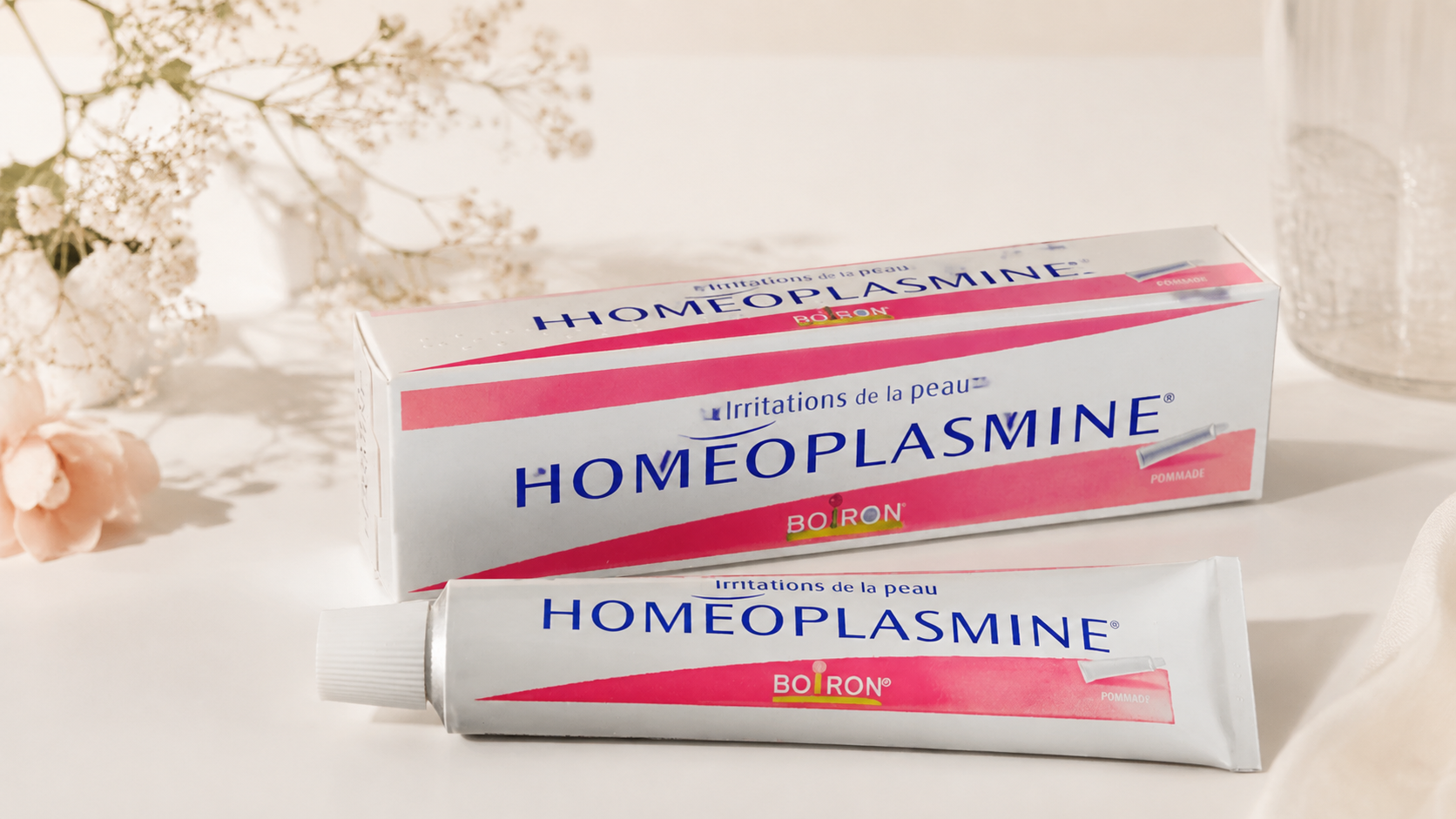
 Homeoplasmine Soothing Multipurpose Balm 40g – Protective Skin Care by Boiron$13.95 $18.0
 Eucerin Aquaphor Baume Réparateur Skin Repair Balm 40g$9.5 $15.95
 Seven Seas Cod Liver Oil Plus One-A-Day 120 Capsules$16.0 $21.0
 La Roche-Posay Cicaplast Mains Barrier Repairing Cream 50 ml$10.5 $15.95
 Mixa Cica Repair Cream 10% Urea for Very Dry Rough Skin 400ml$22.7 $27.0
The art of Parisian moisture layering
Integrating squalane into your daily regimen requires an understanding of traditional European layering techniques, which prioritize lightweight, water-based hydration before sealing with lipid-rich emollients. The rule of thumb is to apply your products from the thinnest consistency to the thickest. Squalane, being a pure lipid, should be introduced after your water-soluble serums and toners have been fully absorbed. This ensures that the water-binding ingredients can penetrate the deeper layers of the stratum corneum without being blocked by an oil barrier. Whether you choose to mix a few drops of pure squalane directly into your favorite French moisturizer or press it onto your skin as the final step of your evening routine, this versatile emollient adapts beautifully to your individual skin needs.
-
1. Cleanse your skin gently
Begin your ritual by washing your face with a mild, non-stripping cleansing milk or gel to prepare the skin barrier.
-
2. Mist with thermal water
Spritz a generous amount of French thermal spring water to saturate the stratum corneum with soothing minerals.
-
3. Apply a humectant serum
While your skin is still damp, press a hyaluronic acid or glycerin serum into your face to lock in immediate hydration.
-
4. Seal with squalane
Warm two to three drops of squalane oil between your palms and gently press it onto your face to seal in the moisture.
Squalane across the seasons
The versatility of squalane makes it an indispensable ally across changing seasons and fluctuating climates. During the harsh winter months, when biting winds and dry indoor heating strip the skin of its natural moisture, squalane acts as an insulating winter coat, protecting the skin barrier from chapping and dehydration. Conversely, during the humid summer months, when heavy creams can feel suffocating and lead to excess shine, a few drops of lightweight squalane can replace your traditional moisturizer entirely. It provides the essential lipid replenishment your skin needs after sun exposure and outdoor activities, without weighing down your complexion or disrupting your makeup application.

When compared to other popular botanical oils, squalane stands out for its exceptional stability and unique sensory profile. Many natural oils, such as rosehip, evening primrose, or flaxseed, are highly sensitive to light and air, oxidizing quickly and losing their efficacy over time. Squalane, due to its fully saturated chemical structure, is highly resistant to oxidation and has an incredibly long shelf life, ensuring that its beneficial properties remain active from the first drop to the last. Furthermore, while oils like argan or jojoba can sometimes feel heavy or leave a persistent shine, squalane offers an ultra-light, dry finish that mimics the natural slip of healthy, balanced skin, making it a superior choice for daily, under-makeup wear.
Frequently asked questions
What is the difference between squalene and squalane?
Squalene is a natural lipid produced by our skin that is highly unstable and prone to oxidation. Squalane is the hydrogenated, stable version that offers the same emollient benefits with a much longer shelf life and zero risk of clogging pores.
Will squalane cause breakouts on oily or acne-prone skin?
No, squalane is highly biomimetic and non-comedogenic, meaning it mimics the skin's natural oils without blocking pores. Its lightweight, dry-oil texture absorbs quickly, making it suitable even for oily skin types.
Where does Upolife source its squalane products?
We curate our selection from esteemed French and European pharmacy brands that utilize ultra-purified, plant-derived squalane sourced from sustainable Mediterranean olives or sugarcane.
Can I use squalane alongside active ingredients like retinol?
Yes, squalane is an excellent companion to active ingredients. Applying it alongside retinoids or exfoliating acids helps buffer the skin, maintaining optimal moisture levels and comfort during your routine.