French Pharmacy Vitamin C Serums: From Potent L-Ascorbic Acid to Gentle Derivatives

Walk into an officine tucked away along the Boulevard Saint-Germain, and you will notice a distinct sensibility that separates French cosmetic science from the global obsession with extreme concentrations. While the contemporary skincare market often champions ever-higher percentages of raw actives, French dermatological laboratories operate on the foundational principle of physiological tolerance. Topical vitamin C, or ascorbic acid, stands as one of the most rigorously researched antioxidants in modern cosmetic chemistry, renowned for its ability to scavenge free radicals, brighten uneven skin tone, and support a visibly radiant complexion. Yet in the French pharmacy tradition, an active ingredient is only as efficacious as the skin barrier permits it to be. If a formulation incites inflammation, erythema, or micro-tears in the stratum corneum, its antioxidant benefit is fundamentally compromised.
French formulators approach vitamin C through two primary lenses: pure, biologically active L-ascorbic acid formulated at carefully controlled acidic pH levels, and refined, skin-friendly derivatives that enzymatically liberate ascorbic acid within the upper layers of the epidermis. Rather than treating skincare as an aggressive intervention, French brands design formulas that protect the skin mantle while delivering measured, sustainable results. Whether addressing environmental photoaging, post-inflammatory hyperpigmentation, or dullness from urban pollutants, navigating the French pharmacy catalog requires understanding the delicate equilibrium between chemical potency, oxidative stability, and personal skin sensitivity.
Pure L-ascorbic acid versus stabilizing derivatives
To choose the right formulation, one must first appreciate the molecular distinction between pure L-ascorbic acid and the synthesized ester derivatives developed to overcome its inherent fragility. L-ascorbic acid is the exact chemical form utilized directly by human skin cells. When applied topically, it requires no intracellular metabolic conversion to deliver its photoprotective and skin-brightening benefits. However, pure L-ascorbic acid is notoriously volatile; exposure to ambient light, oxygen, and elevated temperatures triggers rapid degradation into dehydroascorbic acid, diminishing its potency and turning clear solutions amber or dark brown. Furthermore, for L-ascorbic acid to penetrate the lipid-rich stratum corneum, the formulation must maintain a low, acidic pH, typically beneath 3.5, which can present a challenge for compromised or reactive complexions.
To accommodate sensitive, reactive, or blemish-prone profiles, cosmetic chemists frequently look to stabilized vitamin C derivatives. Compounds such as ascorbyl glucoside, sodium ascorbyl phosphate, magnesium ascorbyl phosphate, and lipid-soluble tetrahexyldecyl ascorbate provide elegant alternatives. Ascorbyl glucoside binds glucose to the ascorbic acid molecule, ensuring remarkable stability against light and heat while formulating seamlessly at a neutral pH around 6.0 to 7.0. Once absorbed, cutaneous enzymes gradually cleave the glucose bond, releasing free L-ascorbic acid slowly over time. Sodium ascorbyl phosphate offers similar stability alongside a well-regarded skin-compatibility profile that complements regimes targeting congestion. While these derivatives require an enzymatic conversion step within the tissue, their neutral formulation profiles make them remarkably gentle, avoiding the tingling or flushing frequently associated with low-pH L-ascorbic acid.
Navigating pH levels and oxidative stability
The French pharmaceutical methodology places immense weight on packaging engineering to preserve pure L-ascorbic acid without relying solely on harsh synthetic preservatives. Because oxygen rapidly oxidizes ascorbic acid, French manufacturers routinely employ single-use glass ampoules hermetically sealed under nitrogen atmospheres, multi-layer airless pump mechanisms, or tinted amber glass dropper bottles engineered to deflect ultraviolet degradation. When evaluating a pure vitamin C serum, observing the color upon initial opening is paramount: a pristine formula should read clear to pale straw-colored. Any shift toward deep amber or rusty orange signals oxidation, which renders the molecule inactive and potentially irritating to the cutaneous barrier.
For stabilizing derivatives, the barrier to oxidation is substantially higher. Because compounds like ascorbyl glucoside do not readily react with ambient oxygen in solution, they maintain their clarity and active payload throughout their entire post-opening lifecycle. This stability allows for lightweight, water-based fluid textures, emollient emulsions, and gel-creams that integrate easily alongside other morning hydrators and daily broad-spectrum sunscreens. When weighing pure L-ascorbic acid against an engineered derivative, the deciding factor often lies in how resilient your barrier is, how quickly you intend to finish the bottle, and whether your skin thrives on direct chemical potency or gentle, sustained enzymatic release.
Selecting an antioxidant profile by skin type
Matching an antioxidant serum to your skin type demands an honest assessment of your barrier integrity, daily hydration levels, and specific concerns. Normal to dry skin exhibiting early signs of photoaging, fine expression lines, or sun-induced hyperpigmentation often derives the greatest cosmetic return from pure L-ascorbic acid. The lower pH profile gently refines surface texture while the concentrated antioxidant action assists in neutralizing environmental stressors encountered throughout the day. When suspended in hydrating bases enriched with humectants such as hyaluronic acid or soothing thermal spring waters, L-ascorbic acid provides a luminous, revitalized finish without stripping lipid-depleted complexions.
Conversely, complexions characterized by persistent redness, rosacea-prone sensitivity, or disrupted barriers benefit significantly more from gentle derivatives. Introducing a low-pH pure acid serum to an already reactive canvas frequently triggers localized irritation, which can visibly worsen the appearance of redness and leave skin looking less comfortable over time. An ascorbyl glucoside or lipid-soluble derivative, formulated within a physiological pH envelope, provides the necessary antioxidant defense against everyday oxidants while respecting delicate barrier structures. By eliminating the aggressive acid mantle shift, reactive skin can enjoy enhanced radiance and tone uniformity without undergoing unnecessary stress or peeling.
Balancing high-potency serums with barrier support
A common pitfall when introducing potent antioxidant serums into a regimen is neglecting the compensatory moisturization that active topicals require. Antioxidants are designed to neutralize free radicals, but they do not replace the fundamental physiologic lipids, ceramides, and humectants necessary to keep the skin matrix supple. When using an invigorating vitamin C serum each morning, pairing it with dedicated barrier-supportive creams ensures that the skin remains thoroughly balanced, preventing the transepidermal water loss that can occur when the cutaneous surface is exposed to changing environmental conditions.
French dermatologists routinely emphasize the importance of layering: following an active serum with a protective, lipid-replenishing hydrator locks in the antioxidant active while cushioning the outermost layers of the epidermis. This strategic pairing helps maintain a comfortable, supple skin feel and prevents dryness, allowing the chosen vitamin C formulation to operate efficiently across daily wear.
Complementary formulations for blemish-prone skin
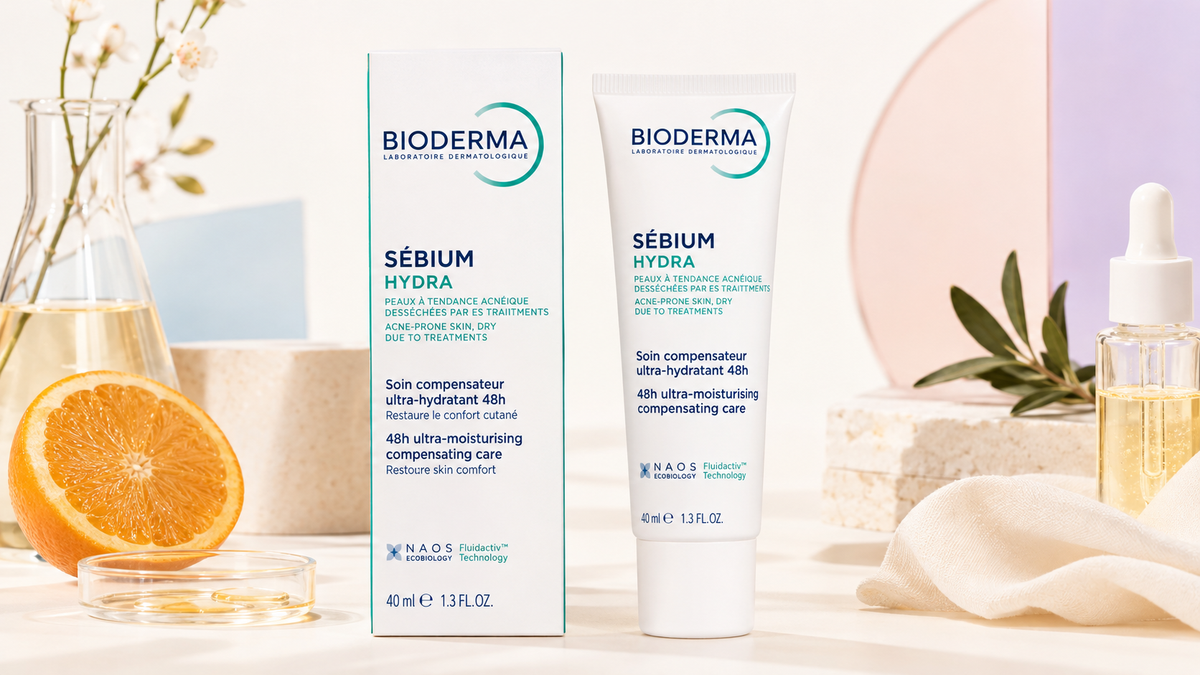
 Bioderma Sébium Hydra Ultra-Moisturizing Compensating Care 40 ml$20.4 $23.0
 Bioderma Sébium Kerato+ Anti-Blemish High Tolerance Gel-Cream 30ml$18.0 $21.0
 Bioderma Créaline DS+ Cream Soothing Purifying Care 40ml$23.0
 La Roche-Posay Effaclar Duo+M Triple Corrective Care 40ml$18.8 $21.0
 La Roche-Posay Effaclar H ISO-BIOME Hydrating Care 40ml$19.0 $23.0
Managing skin that experiences both active blemishes and persistent post-inflammatory marks requires careful orchestration. When addressing the appearance of post-blemish marks, vitamin C is prized for its ability to visibly brighten and accelerate the fading of red or brown residual spots. However, applying pure, low-pH L-ascorbic acid directly over active inflammatory breakouts can occasionally induce stinging or aggravate the appearance of irritation. For this reason, those with oily, combination, or blemish-prone skin often thrive by pairing a gentle vitamin C derivative in the morning with targeted clarifying care in the evening.
To target persistent texture and visible marks without overwhelming tolerance, La Roche-Posay Effaclar Duo+M Triple Corrective Care 40ml provides an exceptionally refined evening partner. Its formulation focuses on diminishing the appearance of imperfections and visibly correcting post-blemish marks while respecting cutaneous balance. Alternatively, when texture is uneven and cellular buildup demands targeted keratolytic action, Bioderma Sébium Kerato+ Anti-Blemish High Tolerance Gel-Cream 30ml offers high tolerance while gently smoothing the skin surface. By separating intensive keratolytic smoothing at night from daytime antioxidant defense, the skin enjoys the clarifying benefits of both modalities without suffering barrier fatigue.
Restoring moisture during active corrective protocols
When routines incorporate multiple active ingredients, such as daytime vitamin C serums and nighttime clarifying treatments, preserving optimal skin comfort and moisture becomes essential. Active clarifying topicals can occasionally lead to transient tightness, superficial flaking, or compromised lipid reserves. French dermatological care recognizes this delicate state and provides specialized compensating creams engineered specifically to replenish lost moisture without clogging pores or triggering fresh congestion.
For skin undergoing intensive clarifying protocols that experiences localized dehydration, Bioderma Sébium Hydra Ultra-Moisturizing Compensating Care 40 ml acts as an ideal barrier-restoring shield. Its soothing texture delivers intense moisture to alleviate the feeling of tightness often experienced when introducing new active regimens. Similarly, La Roche-Posay Effaclar H ISO-BIOME Hydrating Care 40ml provides advanced physiological comfort by delivering biomimetic hydration to skin that feels fragile or depleted from clarifying treatments. Integrating either of these compensating hydrators following your morning antioxidant or evening corrective steps ensures that your barrier remains resilient, comfortable, and receptive to active skincare.
Soothing sensitive skin prone to redness and flaking
For individuals whose primary barrier challenge is persistent redness, irritation, or localized flaking around the nasolabial folds and brows, introducing high-potency antioxidant serums requires maximum caution. Such complexions are inherently vulnerable to acidic topicals, which can exacerbate the appearance of flaking and trigger visible discomfort. In these specific cases, stabilizing derivatives combined with specialized calming care take precedence over pure L-ascorbic acid.
To restore cutaneous equilibrium when redness and dry patches appear, Bioderma Créaline DS+ Cream Soothing Purifying Care 40ml provides targeted care formulated specifically to calm the appearance of irritated skin and reduce visible scales. Its soothing texture addresses the look and feel of redness while reinforcing fragile surface barriers. Once the skin barrier achieves calm and stability through consistent soothing care, introducing a mild, derivative-based vitamin C serum in the morning becomes an effortless step toward radiant, even skin.
Longevity and storage of antioxidant serums
Maximizing the cosmetic return on any French pharmacy antioxidant serum relies heavily on proper everyday storage and handling. Pure L-ascorbic acid serums, in particular, require deliberate care. To prevent premature oxidation, store your bottle in a cool, dark cabinet well away from the ambient humidity and heat generated by showers. Ensure the dropper or cap is sealed tightly immediately after each use to limit oxygen exchange. Many skincare connoisseurs choose to store their pure L-ascorbic acid formulas in the refrigerator; the consistently low temperature significantly slows oxidative kinetics, preserving formula potency throughout its typical two- to three-month open shelf life.
For antioxidant serums relying on stabilized derivatives such as ascorbyl glucoside or sodium ascorbyl phosphate, storage demands are far less rigorous. Because these molecular structures resist ambient oxidation, they maintain stability at standard room temperature without discoloration or loss of efficacy. Regardless of which molecular pathway you select, observing sensory cues remains your best guide: if a serum develops a sharp, metallic odor, crystallizes along the dropper neck, or shifts noticeably in color toward brown, it is time to refresh your bottle. Incorporating a fresh, stable antioxidant each morning beneath a dedicated broad-spectrum sunscreen provides your skin with an unyielding shield against oxidative wear, preserving clarity and luminosity through every season.
Frequently asked questions
How do I know whether to choose pure L-ascorbic acid or a vitamin C derivative?
Choose pure L-ascorbic acid if your skin is accustomed to active ingredients and you are targeting advanced signs of photoaging, dullness, and fine lines. Opt for a gentle derivative like ascorbyl glucoside if your skin is prone to redness, sensitivity, or active congestion, as derivatives provide antioxidant defense at a physiological pH without stinging.
Can I use a vitamin C serum alongside clarifying treatments like Effaclar Duo+M or Sébium Kerato+?
Yes, but it is best to separate them by time of day. Apply your vitamin C antioxidant serum in the morning beneath sunscreen to defend against daily environmental stressors, and reserve clarifying treatments like La Roche-Posay Effaclar Duo+M or Bioderma Sébium Kerato+ for your evening routine to avoid unnecessary irritation.
How long does a pure French pharmacy vitamin C serum typically remain stable after opening?
Most pure L-ascorbic acid serums maintain peak efficacy for approximately two to three months after opening when stored in a cool, dark place. Formulations based on stabilized vitamin C derivatives generally remain stable for six to twelve months, as indicated by the period-after-opening symbol on the packaging.
What should I do if my skin feels tight or dry after starting an antioxidant routine?
Tightness indicates that your lipid barrier requires additional hydration and support. Layer a dedicated compensating moisturizer, such as Bioderma Sébium Hydra or La Roche-Posay Effaclar H ISO-BIOME, immediately over your serum to restore moisture balance and protect the cutaneous barrier.