Glycerin: The Ubiquitous Humectant – How it Draws and Holds Moisture

The quiet architecture of hydration
In the landscape of modern skincare formulations, ingredients cycle through fashion with dizzying speed. Novel botanicals, marine extracts, and synthesized peptides routinely capture editorial headlines, promising revolutionary changes to the cutaneous surface. Yet beneath the shifting tide of trend-driven beauty lies a steadfast cornerstone of dermatological chemistry: glycerin. Far from an inert filler or basic vehicle, glycerin—scientifically termed propane-1,2,3-triol or glycerol—remains the gold standard humectant against which all newly engineered hydrators are quantitatively benchmarked in academic literature.
Glycerin appears in an overwhelming majority of European pharmacy staples, frequently listed within the first four ingredients on the packaging. Its ubiquity is not an accident of convenience or low production cost. Instead, it reflects decades of cosmetic formulation science confirming that this small, three-carbon trihydroxy alcohol performs a sophisticated physical and biophysical function within the stratum corneum. To understand how dry, compromised, or weather-worn skin reclaims its elasticity requires examining the precise molecular mechanisms that govern how glycerin attracts, retains, and organizes water.
The chemical anatomy of propane-1,2,3-triol
To grasp why glycerin excels at holding moisture, one must first look at its chemical architecture. Glycerin is a polyol, meaning an organic molecule possessing multiple alcohol groups. Structurally, it consists of a three-carbon aliphatic chain where every single carbon atom bears a hydrophilic hydroxyl group (-OH). This compact arrangement gives glycerin a tiny molecular weight of approximately 92.09 grams per mole, which stands in dramatic contrast to macromolecular hydrators like high-molecular-weight hyaluronic acid, whose chains can exceed one million grams per mole.
The presence of three distinct hydroxyl groups on such a brief molecular frame grants glycerin an extraordinary capacity for hydrogen bonding. In aqueous solutions and within biological tissues, hydrogen bonds form readily between the partial negative charge of oxygen atoms and the partial positive charge of hydrogen atoms. Because of this tri-hydroxyl polarity, a single molecule of glycerin can simultaneously coordinate multiple water molecules, organizing them into a coherent, tightly bound cluster that resists rapid environmental evaporation.
Furthermore, this low molecular mass enables glycerin to navigate the intercellular lipid matrices of the stratum corneum with remarkable fluid efficiency. Where larger polymer molecules remain perched entirely atop the skin surface to create a flexible, moisture-retaining film, glycerin possesses the chemical clearance to diffuse downward into the intermediate layers of the stratum corneum. There, it establishes a concentrated reservoir of hygroscopic activity directly where desiccated corneocytes require fundamental osmotic support.
The thermodynamic pull of hygroscopy
The primary operational mode of any humectant is hygroscopy: the intrinsic capacity of a substance to attract and capture ambient water vapor or liquid moisture from its immediate surroundings. Glycerin's thermodynamic affinity for water is so pronounced that pure, anhydrous glycerol exposed to ambient air at typical room humidity will spontaneously draw moisture out of the atmosphere until it equilibrates into an approximate eighty percent solution. When applied topically to human skin, this powerful thermodynamic pull works along two distinct environmental gradients.
The first gradient operates from the surrounding atmosphere toward the cutaneous mantle. When relative humidity levels exceed roughly fifty to sixty percent, topical glycerin effectively absorbs aerial water molecules, depositing them onto the skin's surface to enhance epidermal hydration. However, real-world conditions rarely maintain optimal humidity, particularly during winter months when indoor heating drastically reduces indoor moisture, or in arid, windy microclimates. In these low-humidity situations, glycerin shifts its primary operational focus to the second gradient.
The second gradient is endogenous, moving from the living dermis and lower epidermal strata upward toward the desiccated surface of the stratum corneum. The human body maintains an internal water reservoir via vascular supply in the dermis, where water content typically registers around seventy percent. In contrast, the exterior surface of healthy stratum corneum contains only fifteen to thirty percent water. Glycerin amplifies this natural outward osmotic flow, pulling moisture upward from deeper viable cells to saturate thirsty, flattening corneocytes at the outermost boundary.
Biological transit through aquaporin channels
For many decades, dermatologists viewed glycerin strictly as an extracellular surface humectant operating mechanically within the lipid matrix. However, contemporary epidermal research has revealed an intricate biological transport pathway: the presence of specialized transmembrane channel proteins called aquaporins. While traditional aquaporins facilitate the rapid, selective movement of pure water molecules across cell membranes, a distinct subset known as aquaglyceroporins—specifically aquaporin-3 (AQP3)—is designed to transport both water and glycerin simultaneously.
Expressed abundantly within the plasma membranes of basal and spinous keratinocytes, AQP3 acts as an active gatekeeper for epidermal hydration balance. The targeted co-transport of water and glycerin through AQP3 channels is associated with maintaining moisture levels throughout the viable epidermis. When topically applied glycerin penetrates into the living layers, it interfaces with these channels, helping contribute to the skin's comfortable, well-hydrated appearance and supporting the skin's natural conditioning environment.
The interaction between glycerin and cellular transport structures is also understood in the context of the desquamation cascade. The enzymatic cleavage of corneodesmosomes—the tiny protein bridges holding dead surface skin cells together—is known to require an adequately hydrated environment. By helping maintain sustained moisture within the intercellular spaces, glycerin contributes to the conditions associated with a smooth, even skin surface, helping the skin look and feel less rough, dry, or flaky.
Phase behavior and lipid lamellar stabilization
Beyond its affinity for pure water, glycerin performs a profound structural duty within the skin's lipid matrix. The intercellular mortar of the stratum corneum is composed primarily of ceramides, cholesterol, and free fatty acids arranged into ordered lipid bilayers. Under conditions of dry cold, low relative humidity, or frequent exposure to harsh surfactants, these fluid lamellar structures undergo a phase transition from an organized liquid-crystalline state into a rigid, non-flexible gel phase. This rigidification impairs the skin's flexibility and exacerbates transepidermal water loss.
Biophysical studies demonstrate that glycerin integrates into the headgroup regions of these lipid bilayers. Because of its specific stereochemistry, it interferes with the close, rigid packing of lipid hydrocarbon chains, effectively depressing the liquid-to-solid phase transition temperature. In simpler terms, glycerin acts as a molecular stabilizer, keeping the lipid sheets supple, cohesive, and pliable even when atmospheric conditions are intensely cold or dry.
By preserving the liquid-crystalline lamellar arrangement, glycerin prevents the formation of micro-fissures within the intercellular matrix. This ensures that the physical barrier remains cohesive and capable of retaining endogenous hydration. Rather than acting as a passive coating, glycerin actively maintains the dynamic flexibility required for healthy barrier mechanics under daily environmental stress.
The holy trinity of topical barrier care
Despite glycerin's remarkable humectant properties, cosmetic chemists emphasize that no humectant can perform indefinitely in total isolation. Because glycerin pulls water along an osmotic gradient, applying it without complementary protective agents in arid environments can theoretically draw water out of deeper tissue layers faster than the vascular network can replenish it, leaving the superficial skin vulnerable to evaporation. Masterful formulation requires a synergistic dialogue between three functional cosmetic pillars: humectants, emollients, and occlusives.
Within this formulation matrix, each category executes a precise dermatological assignment:
- Humectants: Molecules like glycerin, urea, and sodium hyaluronate capture and tether water within the stratum corneum through chemical hydrogen bonding.
- Emollients: Lipids, fatty alcohols, and esters smooth the micro-topography of the skin surface by filling the microscopic gaps between shedding corneocytes, restoring tactile softness and flexibility.
- Occlusives: Hydrophobic substances such as petrolatum, mineral waxes, and heavy plant butters establish an impermeable or semi-permeable physical shield on top of the stratum corneum, preventing evaporative water loss.
When a humectant like glycerin is coupled with emollient and occlusive agents, the water drawn up from the dermis or captured from the environment becomes physically trapped beneath a protective barrier. This multi-layered strategy represents the foundational architecture of classic French pharmacy balms, where glycerin supplies the initial surge of bioavailable water, while lipid matrices seal that hydration securely against trans-barrier escape.

Glycerin versus modern humectant alternatives
The skincare industry frequently positions hyaluronic acid as the ultimate hydrating active, celebrated for its capacity to bind up to one thousand times its weight in water. While hyaluronic acid is undoubtedly an exceptional surface hydrator, its performance profile differs fundamentally from glycerin. Hyaluronic acid forms a breathable, viscoelastic hydrogel mesh over the outer epidermis, providing instantaneous surface smoothing and plumping. However, because its standard molecular forms are voluminous polymers, it cannot replicate the deep, interstitial penetration achieved by glycerin's nimble three-carbon structure.
Another prominent physiological humectant is urea, which constitutes a vital segment of the skin's Natural Moisturizing Factor (NMF). Urea shares glycerin's small molecular scale and rapid diffusivity, while offering supplementary keratolytic properties at elevated concentrations. In sophisticated formulations, cosmetic scientists rarely choose one over the other; instead, they pair glycerin with urea to leverage complementary binding affinities, creating a dual-action humectant network that addresses both desiccation and cellular texture.
Propylene glycol and butylene glycol represent synthetic glycols that share humectant characteristics with glycerin, often employed to reduce formula viscosity or enhance the skin penetration of secondary actives. However, when measured by pure hygroscopic capacity and barrier-stabilizing efficacy, glycerin consistently outclasses these lighter glycols. Furthermore, glycerin possesses an unassailable track record of dermatological tolerance, remaining exceptionally non-irritating, non-sensitizing, and compatible with sensitive, reactive skin profiles.
-
1. Cleanse with mild surfactants
Wash with a gentle, non-stripping cleanser to clear surface debris while preserving the skin's endogenous lipid envelope.
-
2. Leave the surface damp
Avoid towel-drying your skin completely; leaving a light film of clean water provides immediate ambient moisture for humectants to bind.
-
3. Distribute your humectant formula
Smooth your glycerin-based cream or lotion across the damp tissue, allowing the trihydroxy molecules to coordinate with surface water.
-
4. Lock with an occlusive seal
Finish with a lipid-rich balm or emollient layer to create a protective barrier that prevents your captured hydration from evaporating.
Formulation heritage in the European dispensary
The French and European pharmacy tradition has long championed glycerin as an irreplaceable hero of restorative skincare. In European pharmacopeias, skin barrier support is treated with clinical restraint rather than fleeting novelty. Formulations designed for dry, vulnerable, or rough skin rely on proven chemical principles, deploying glycerin in deliberate concentrations alongside barrier-reinforcing lipids and keratolytic agents.
Consider La Roche-Posay Cicaplast Baume B5+ Ultra-Repairing Soothing Balm 100ml, a quintessential staple of French dispensary care. In this formulation, glycerin provides an immediate surge of hydrating comfort, balancing a soothing matrix designed to reinforce compromised skin barriers. The humectant functions as the aqueous anchor of the emulsion, ensuring that parched, stressed areas regain comfortable suppleness without disruption.
For situations requiring robust, semi-occlusive protection, Eucerin Aquaphor Baume Réparateur Skin Repair Balm 40g demonstrates how glycerin behaves when embedded within a concentrated lipid shield. By pairing glycerin with petrolatum and conditioning waxes, this balm establishes a water-free micro-environment that shields dry, chapped areas while glycerin's hygroscopic character ensures underlying skin cells stay hydrated and protected against frictional stress.
When the barrier requires both deep rehydration and gentle textural smoothing, European formulations frequently combine glycerin with urea. Mixa Cica Repair Cream 10% Urea for Very Dry Rough Skin 400ml utilizes a substantial ten-percent urea concentration cushioned within a rich, glycerin-infused base. The urea encourages the shedding of dense, accumulated surface flakes while glycerin replenishes vital moisture reservoirs, transforming coarse, rough cutaneous patches into uniform, velvety skin.
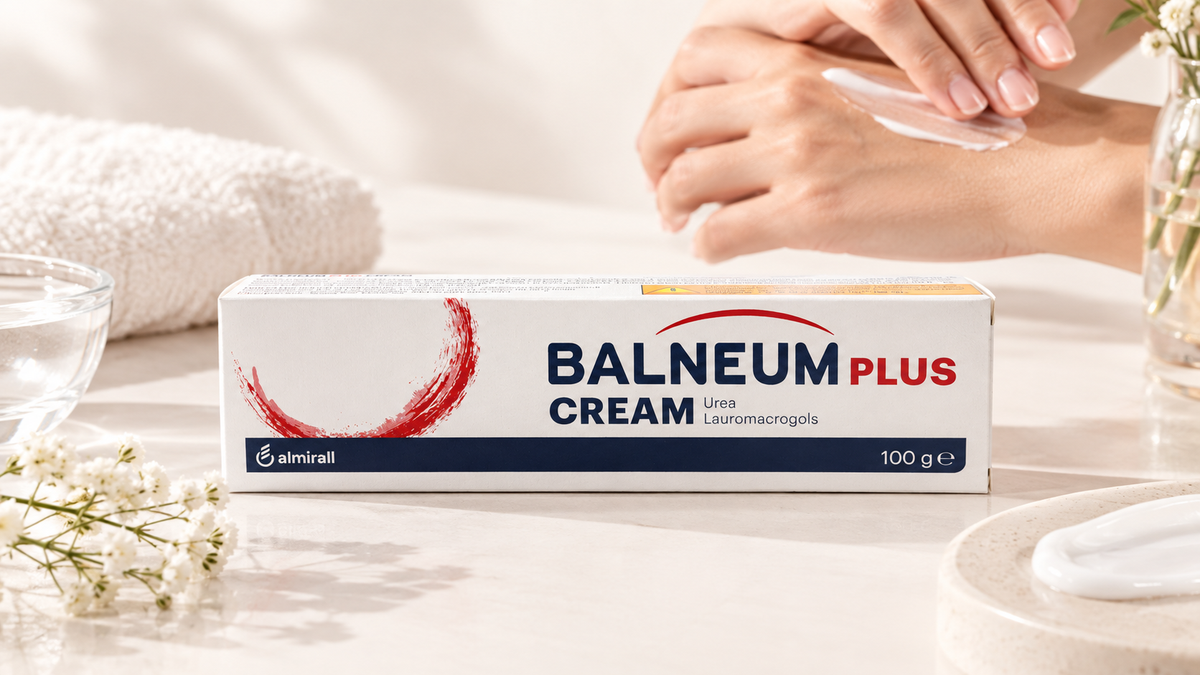
Similarly, Balneum Plus Cream with Urea & Lauromacrogols 100g showcases the therapeutic synergy of blending physiological humectants. Formulated to calm uncomfortable, dry, and tight skin surfaces, the product combines the softening influence of lauromacrogols with the dual moisture-binding capacities of urea and glycerin, demonstrating how multi-tiered humectant chemistry delivers enduring barrier relief across delicate bodily skin.
 Balneum Plus Cream with Urea & Lauromacrogols 100g$12.5
 Eucerin Aquaphor Baume Réparateur Skin Repair Balm 40g$8.4 $15.95
 La Roche-Posay Cicaplast Baume B5+ Ultra-Repairing Soothing Balm 100ml$23.0
 Mixa Cica Repair Cream 10% Urea for Very Dry Rough Skin 400ml$22.7 $27.0
Debunking common glycerin formulation myths
Despite its long history of safe use, several persistent misconceptions surround glycerin in consumer beauty culture. One frequent myth claims that applying glycerin in dry, arid climates will inevitably dehydrate the deeper dermis by pulling all systemic water out through the skin surface. While pure, unformulated, one-hundred-percent glycerin can indeed produce an excessive osmotic draw if applied straight to bone-dry skin, cosmetic products never contain undiluted glycerin. Finished lotions and balms are carefully engineered balance systems that include water, humectants, and occlusive lipids to prevent this phenomenon.
Another recurring misconception is that glycerin is a pore-clogging or comedogenic ingredient due to the thick, viscous texture of the raw raw liquid. In pure form, glycerin exhibits a heavy, syrup-like physical consistency that feels distinctly sticky on dry hands. However, comedogenicity is determined by how an ingredient interacts with sebum and follicular lining keratinocytes within the pilosebaceous unit. Glycerin is entirely water-soluble, non-lipid in nature, and possesses a comedogenic rating of zero, making it completely non-occlusive in its own right.
Finally, clean-beauty discourse occasionally questions the origins and safety of cosmetic glycerin, confusing industrial byproducts with pharmaceutical-grade excipients. In European cosmetic manufacturing, the glycerin utilized across reputable pharmacy brands is predominantly plant-derived—typically refined through the hydrolysis of vegetable oils like coconut, palm, or rapeseed—and subjected to rigorous purification processes that remove trace impurities to meet strict pharmacopeia standards.
The enduring science of skin hydration
The pursuit of radiant, resilient skin frequently tempts consumers toward exotic discoveries and high-tech proprietary molecules. Yet the rigorous science of barrier mechanics continually re-establishes that effective skincare is anchored in biological fundamentals. Water is the primary architect of epidermal suppleness, enzymatic regulation, and structural integrity; without it, the most sophisticated anti-aging compounds and plant extracts are rendering service to an unstable foundation.
Glycerin proves that elegance in skincare chemistry often lies in simplicity and physical efficacy. With its compact tri-carbon structure, three relentless hydroxyl anchors, and natural biological kinship with aquaporin transport channels, it remains the consummate workhorse of modern restorative care. By understanding how this ubiquitous humectant draws, holds, and harmonizes moisture within the stratum corneum, one can make deliberate, informed choices that keep the cutaneous barrier perfectly balanced, resilient, and deeply hydrated through every season.
Frequently asked questions
What is the primary difference between a humectant and an occlusive?
A humectant like glycerin actively draws water into the skin from the atmosphere or deeper dermis using hydrogen bonding. An occlusive, such as petrolatum, creates a physical lipid barrier on top of the skin to prevent that water from evaporating.
Can glycerin cause skin irritation or allergic reactions?
Glycerin is an endogenous molecule naturally present in human tissue, making true allergic sensitization exceptionally rare. It is considered one of the most chemically benign, non-irritating ingredients in contemporary dermatological science.
Why does glycerin feel slightly warm or sticky when applied?
Pure glycerin releases a small amount of heat when it bonds rapidly with ambient water molecules in an exothermic hydration reaction. The tactile tackiness is a natural physical property of its dense, hydrogen-bonded triol liquid structure.
Is plant-derived glycerin more effective than synthetic glycerin?
Chemically, pure vegetable-derived glycerin and synthetic glycerin are entirely identical molecules (propane-1,2,3-triol). Both provide the exact same molecular weight, hygroscopic behavior, and hydrating efficacy on human skin.