Glycolic Acid: Beyond Exfoliation – The pH-Dependent Mechanism
Upolife Editorial Team·
The science of skin refinement

Glycolic acid has long held a position of prestige in the world of dermatological care, celebrated as a gold standard for restoring a luminous, glass-like finish to the skin. Derived from sugarcane, this elegant alpha-hydroxy acid is beloved for its peerless ability to sweep away the dull, accumulated cells that obscure our natural radiance. However, the conversation surrounding this ingredient is frequently oversimplified, reduced to mere percentages printed on a bottle. To truly understand how glycolic acid behaves on the skin, we must look past the concentration and examine the delicate, invisible chemistry that governs its activity. The true performance of any glycolic acid formula is determined not by percentage alone, but by the precise relationship between the molecule and the pH of the formula in which it resides.
Understanding the logarithmic pH scale
The skin's surface is naturally acidic, protected by a delicate mantle that typically hovers between a pH of 4.5 and 5.5. When we introduce an active acid like glycolic acid, we are engaging with a highly sensitive chemical environment where even fractional shifts in pH can dramatically alter the outcome. The pH scale is logarithmic, meaning that a pH of 3 is ten times more acidic than a pH of 4, and one hundred times more acidic than a pH of 5. Because of this exponential relationship, a minor adjustment in a product's acidity can mean the difference between a highly active, intensive exfoliating experience and a gentle, whisper-soft daily polish. Understanding this scale allows us to approach our skincare rituals with greater intention and respect for the skin's natural state of equilibrium.
The chemistry of the pKa value
At the heart of glycolic acid's behavior is a chemical constant known as the pKa, which for glycolic acid is exactly 3.83. In scientific terms, the pKa represents the specific pH point at which an acid is precisely fifty percent dissociated and fifty percent undissociated. This distinction is paramount because the physical structure of the molecule changes depending on this balance. When glycolic acid is undissociated, it remains uncharged, neutral, and highly lipophilic, which allows it to pass gracefully through the lipid-rich outer layers of the skin. Once it dissociates, it becomes an ionized, charged molecule that is highly hydrophilic, meaning it prefers water and struggles to penetrate the lipophilic barrier of the stratum corneum. Therefore, a formula's pH relative to this pKa value determines exactly how much active, free acid is actually available to work within the skin.
Deciphering the free acid value
Many skincare enthusiasts are surprised to learn that a ten percent glycolic acid serum formulated at a pH of 4.5 actually delivers far less active acid to the skin than a five percent serum formulated at a pH of 3.5. This concept, known as the free acid value, is the true metric of a product's potency. When the pH of a formula is higher than the pKa of 3.83, the majority of the glycolic acid molecules become ionized and lose their ability to deeply penetrate the skin, instead remaining on the surface to act as humectants. While this surface-level behavior is wonderful for hydration, it does not deliver the deep refining benefits that glycolic acid is famous for. Conversely, when the pH is kept close to or slightly below the pKa, the free acid value rises, offering a highly efficient, transformative experience that requires a much lower overall concentration of the ingredient.
The European approach to skin harmony
In the historic pharmacies of France and Switzerland, the philosophy of skincare is rooted in the preservation of the skin's natural barrier. European formulators rarely design products that rely on extreme, aggressive acidity to achieve results. Instead, they excel at the art of buffering. By combining glycolic acid with sophisticated buffering agents, thermal spring waters, and soothing botanical extracts, these laboratories create formulas that deliver a steady, controlled release of active molecules. This meticulous balance ensures that the skin receives all the refining benefits of a high free acid value without the sudden, disruptive spike in acidity that can lead to redness, dryness, or barrier fatigue. It is a philosophy of progressive, elegant transformation rather than rapid, harsh intervention.
The cellular journey of glycolic acid
Once applied to the skin, the free, unionized glycolic acid molecules begin a precise journey through the stratum corneum. This outer layer consists of flat, dead skin cells called corneocytes, which are tightly bound together by specialized protein structures known as desmosomes, surrounded by a rich matrix of lipids. Because glycolic acid possesses the smallest molecular weight of all the alpha-hydroxy acids, it is uniquely suited to slip between these lipids. Once inside, it works within the skin's surface environment in a way that appears to support the natural, even shedding of the outermost layer, revealing the fresher, more hydrated cells beneath and promoting a beautifully uniform skin texture.
The importance of buffering agents
In high-end formulation, the inclusion of buffering agents such as sodium hydroxide or ammonium hydroxide is a mark of true laboratory sophistication. These ingredients are not merely fillers; they are active stabilizers that keep the pH of a formula perfectly consistent throughout its shelf life. Without these stabilizers, the pH of an acid formula could fluctuate, leading to unpredictable results or a sudden loss of efficacy. By carefully adjusting the ratio of free glycolic acid to its buffered salt form, Swiss and French chemists can tailor a product to deliver specific benefits—whether that means a gentle, daily micro-exfoliation that supports hydration, or a weekly clarifying treatment that deeply polishes the complexion.
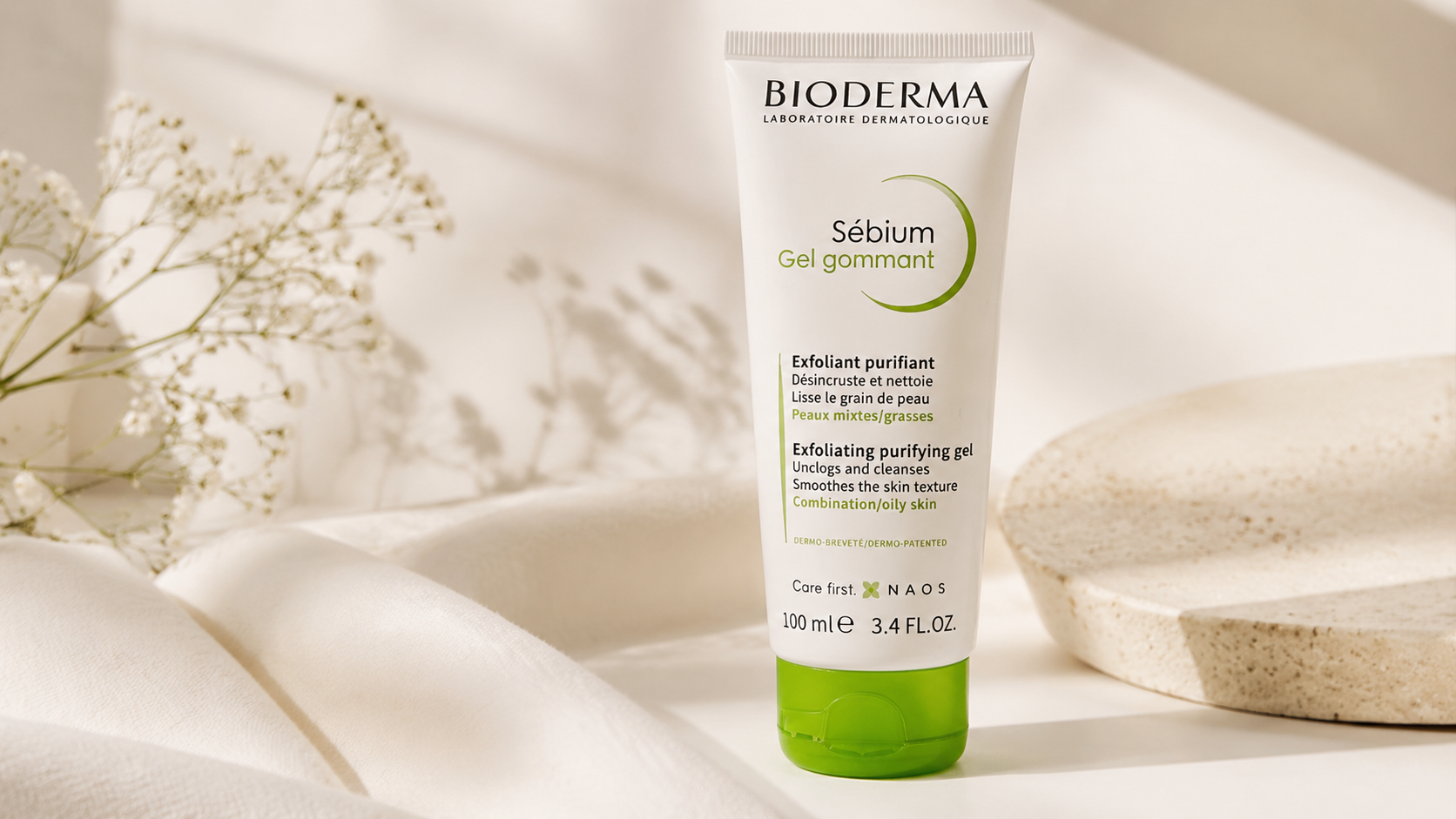
 Bioderma Sébium Exfoliating Purifying Gel 100ml – Unclogs & Smooths Oily/Combination Skin EXP:08/26$11.2 $21.0
 Bioderma Sébium Kerato+ Anti-Blemish High Tolerance Gel-Cream 30ml$18.0 $21.0
 Vichy Normaderm 3-in-1 Cleanser Scrub Mask 125 ml$23.0
Sourcing and laboratory standards
The quality of the glycolic acid itself, along with the purity of the medium in which it is suspended, plays a vital role in the final experience. European pharmacy brands are subject to some of the most stringent manufacturing standards in the world, ensuring that every botanical extract, mineral-rich water, and active molecule is refined to its highest state of purity. When you select a Swiss or French glycolic acid treatment, you are choosing a product that has been subjected to rigorous clinical evaluation, designed to deliver maximum physiological harmony. This dedication to quality ensures that even sensitive skin types can enjoy the clarifying benefits of alpha-hydroxy acids without the fear of unexpected reactions.
Crafting a pH-compatible ritual
To fully realize the benefits of a pH-dependent active like glycolic acid, one must consider the entire skincare routine as a cohesive ecosystem. Many common cleansers are formulated with a slightly alkaline pH to effectively remove oil and debris, which can temporarily raise the skin's natural pH. If a glycolic acid treatment is applied immediately afterward, its active molecules will be partially neutralized by the alkaline residue on the skin. To prevent this, it is highly recommended to use a gentle, low-pH cleanser, pat the skin completely dry, and allow the skin's natural mantle to stabilize for a moment before applying your acid. This simple pause ensures that the glycolic acid can perform its refining work at its intended, optimal pH level.
Harmonious layering and seasonal care
Layering glycolic acid with other powerful active ingredients requires a thoughtful, strategic approach. For example, pairing a low-pH acid with a high-pH active like niacinamide in the same step can compromise the efficacy of both ingredients, as they work to neutralize each other's environment. Instead, it is far more elegant to alternate your actives, using your glycolic acid treatment in the evening to support the skin's natural nighttime renewal, and your antioxidant serums in the morning. Additionally, as the seasons transition, your skin's hydration needs will shift. In the cooler, drier months, opting for a glycolic formula with a slightly higher pH can leverage its humectant properties, while the warmer, more humid months may call for a lower-pH formula to keep the skin feeling exceptionally fresh and clear.
-
1. Cleanse with a balanced formula
Use a gentle, low-pH cleanser to prepare the skin without stripping its natural moisture barrier.
-
2. Ensure the skin is dry
Pat your face dry with a clean towel, as excess moisture can alter the absorption rate of active acids.
-
3. Apply the glycolic treatment
Smooth a few drops of your buffered glycolic formula over the face, avoiding the delicate eye area.
-
4. Allow a moment of pause
Wait two to three minutes for the active molecules to settle and perform their refining work before layering.
-
5. Seal with a lipid-rich cream
Follow with a nourishing, barrier-supportive moisturizer to lock in hydration and soothe the skin.
Frequently asked questions
Why does the pH of glycolic acid matter so much?
The pH determines how much of the glycolic acid remains in its active, unionized form. A lower pH increases the amount of free acid available to refine the skin, while a higher pH makes the formula gentler and more hydrating.
Can I use glycolic acid every day?
It depends on the formulation and your skin type. Well-buffered European pharmacy formulas are often designed for daily or alternate-night use, allowing for progressive refinement without causing irritation.
How does glycolic acid compare to other alpha-hydroxy acids?
Glycolic acid has the smallest molecular weight of all AHAs, allowing it to penetrate more deeply than larger molecules like lactic or mandelic acid, making it highly effective for smoothing texture.
Should I expect peeling or purging when starting?
Mild shedding or temporary congestion can occur as the skin's natural renewal process accelerates. However, choosing a balanced, buffered formula helps minimize these transitional phases.