
Heartburn relief: OTC options explained (antacids vs H2 blockers vs PPIs)
Alexey Kulik·
Heartburn relief: OTC options explained (antacids vs H2 blockers vs PPIs)
Heartburn can feel like a burning sensation behind the chest, often linked to acid reflux—especially after meals, during stress, or when lying down. Many people look for heartburn relief with over-the-counter (OTC) options, and the best choice usually depends on how often symptoms show up and when they happen.
This guide breaks down three common OTC categories—OTC antacid, H2 blocker, and proton pump inhibitor (PPI)—in plain English, without medical promises. You’ll also find shopping-friendly recommendations, FAQs, and simple safety considerations.
Table of contents
-
What causes heartburn and acid reflux?
-
Antacids: fast, short-term relief
-
H2 blockers: longer relief for recurring symptoms
-
PPIs: longer-term acid control (with patience)
-
Choosing based on timing: after meals vs night heartburn
-
Common triggers and lifestyle supports
-
Safety basics and label reading for OTC products
-
How to shop: matching products to your routine
What causes heartburn and acid reflux?
Heartburn often happens when stomach contents move upward and irritate the esophagus. This is commonly described as acid reflux. Triggers can include larger meals, late dinners, alcohol, coffee, spicy or fatty foods, and even stress.
Symptoms can vary. Some people notice heartburn mainly after meals, while others deal with night heartburn when lying down. Understanding your pattern helps you choose an OTC category that fits your routine.
Internal links: heartburn products collection, digestive relief collection.
Antacids: fast, short-term relief
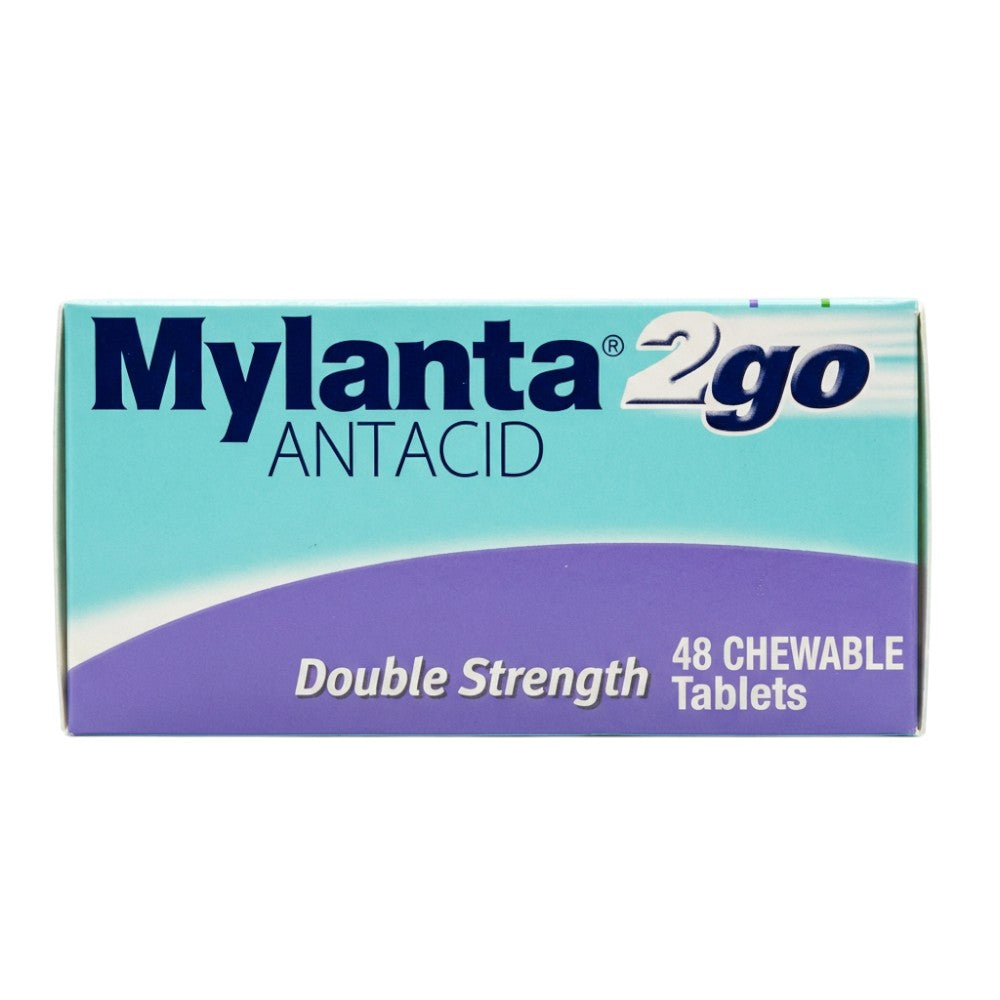
An OTC antacid works by neutralizing existing stomach acid. This category is often chosen for fast relief, especially when symptoms show up suddenly or right after meals.
Because antacids act quickly but don’t last as long, they’re typically used as-needed for occasional heartburn rather than frequent, recurring symptoms.
Internal links: shop antacids for quick relief, heartburn products collection.
Recommended products
-
antacid tablets
-
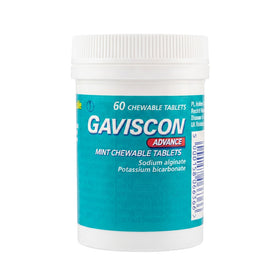
antacid chewables
-
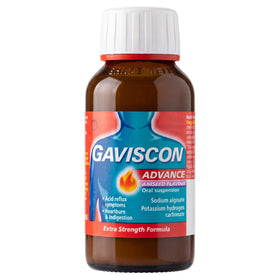
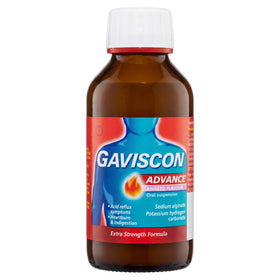
antacid liquid
H2 blockers: longer relief for recurring symptoms
An H2 blocker (often described as an acid reducer) lowers acid production for a longer window than an antacid. Many people consider this option when symptoms are more than occasional, or when they want coverage that extends beyond immediate, moment-to-moment relief.
H2 blockers are also commonly considered for night heartburn, where timing and routine can play a bigger role in comfort.
Internal links: acid reducer collection, digestive relief collection.
Recommended products
-
acid reducer
-
acid reducer tablets
-
acid reducer capsules
PPIs: longer-term acid control (with patience)
A proton pump inhibitor can reduce acid production more substantially and is often used for frequent, persistent symptoms—typically as a planned course rather than “just once in a while.” Unlike an antacid, a PPI usually isn’t positioned as instant fast relief; it may take time to feel its full effect.
If you’re reaching for OTC options often, it can be helpful to ask a pharmacist for guidance on what category best matches your needs and how to use it responsibly.
Internal links: proton pump inhibitor collection, heartburn products collection.
Choosing based on timing: after meals vs night heartburn
If heartburn appears after meals and fades relatively quickly, many people start by considering an OTC antacid for rapid, short coverage. If discomfort tends to return later, an H2 blocker may feel more aligned with that pattern.
For night heartburn, routines matter: late dinners, larger portions, or lying down soon after eating can make symptoms more likely. Many people pair earlier, lighter dinners with an OTC approach that matches their overnight needs.
Internal links: nighttime digestive relief collection, read our guide to travel first-aid kit.
Common triggers and lifestyle supports
OTC products can be part of a bigger plan. Many people reduce flare-ups by identifying triggers—like acidic foods, fatty meals, chocolate, peppermint, carbonated drinks, or late-night snacks—and adjusting gradually.
Simple habits may help: eating slower, choosing smaller dinners, staying upright after eating, and considering head-of-bed elevation for nighttime comfort. Stress management and a short, gentle walk after meals can also support digestion.
Internal links: read our guide to mindful eating, digestive relief collection.
Safety basics and label reading for OTC products
Even though these options are OTC, it’s still important to read labels carefully—especially if you take other medications or have ongoing health conditions. Each category (antacids, H2 blocker/acid reducer, and proton pump inhibitor) may have different cautions, interactions, and recommended limits for self-use.
If you’re unsure, a pharmacist can help you avoid unnecessary overlap and choose a simpler approach.
Internal links: how to read supplement facts labels, heartburn products collection.
How to shop: matching products to your routine
Start by mapping your pattern: occasional flare-ups vs frequent symptoms, mainly after meals vs mainly night heartburn, and whether you need fast relief or longer coverage.
Also think about the format you’ll actually use consistently—chewables, liquids, tablets, or capsules—and how portable it needs to be for work, travel, or evenings out.
Internal links: digestive relief collection, read our guide to medicine cabinet essentials.
FAQ
1) What’s the difference between heartburn and acid reflux?
Heartburn is a symptom (burning sensation). Acid reflux describes the process that can cause it.
2) Which OTC option works the fastest?
In general, an OTC antacid is commonly chosen for fast relief because it neutralizes existing acid. Results can vary.
3) What’s better for heartburn after meals?
If it’s occasional and right after meals, many people start with an antacid. If it’s frequent or returns later, an H2 blocker/acid reducer may be considered.
4) What’s better for night heartburn?
Night heartburn often relates to meal timing and lying down soon after eating. Some people consider longer-lasting options plus routine changes.
5) Are PPIs stronger than H2 blockers?
A proton pump inhibitor generally reduces acid production more substantially, but it’s not usually positioned as instant relief.
6) Can I take these OTC products every day?
Labels vary. If you feel you need daily support for an extended period, consider asking a pharmacist or clinician for guidance.
7) Why do I get heartburn even when I eat “healthy”?
Portion size, timing, stress, sleep position, and personal sensitivities can all matter—not only food “healthiness.”
8) Can digestive support products help?
Some people find digestive support helpful for general comfort, but it’s not the same as an acid reducer or reflux-focused option.
What to consider before choosing
-
Your pattern: occasional vs frequent; after meals vs night heartburn
-
Speed vs duration: fast relief now vs longer coverage later
-
Simplicity: avoid mixing categories unless you understand why
-
Other meds/conditions: check label cautions and interactions
-
Your routine: travel, late dinners, stress, and sleep schedule
-
How often you need OTC help: frequent use is a reason to get advice
Internal links: heartburn products collection, digestive relief collection, read our guide to travel first-aid kit.
When to seek medical advice
Consider medical advice if symptoms are new, severe, frequently recurring, wake you often, or aren’t improving with reasonable OTC use and lifestyle changes. Seek urgent care if you have chest pain, trouble breathing, fainting, or symptoms that feel unusual or intense.
Disclaimer
This article is for general education only and does not provide medical advice, diagnosis, or treatment. OTC products work differently for different people. Always read and follow the product label, and ask a pharmacist or qualified healthcare professional if you’re unsure what’s appropriate for you—especially if you’re pregnant, nursing, taking prescription medications, or managing a chronic condition.
%0AHeartburn%20can%20feel%20like%20a%20burning%20sensation%20behind%20the%20chest,%20often%20linked%20to%20acid%20reflux%E2%80%94especially%20after%20meals,%20during%20st...)