Roihi-Tsuboko Patches: What They Are and How People Use Them for Everyday Stiffness
Roihi-Tsuboko Patches: What They Are and How People Use Them for Everyday Stiffness
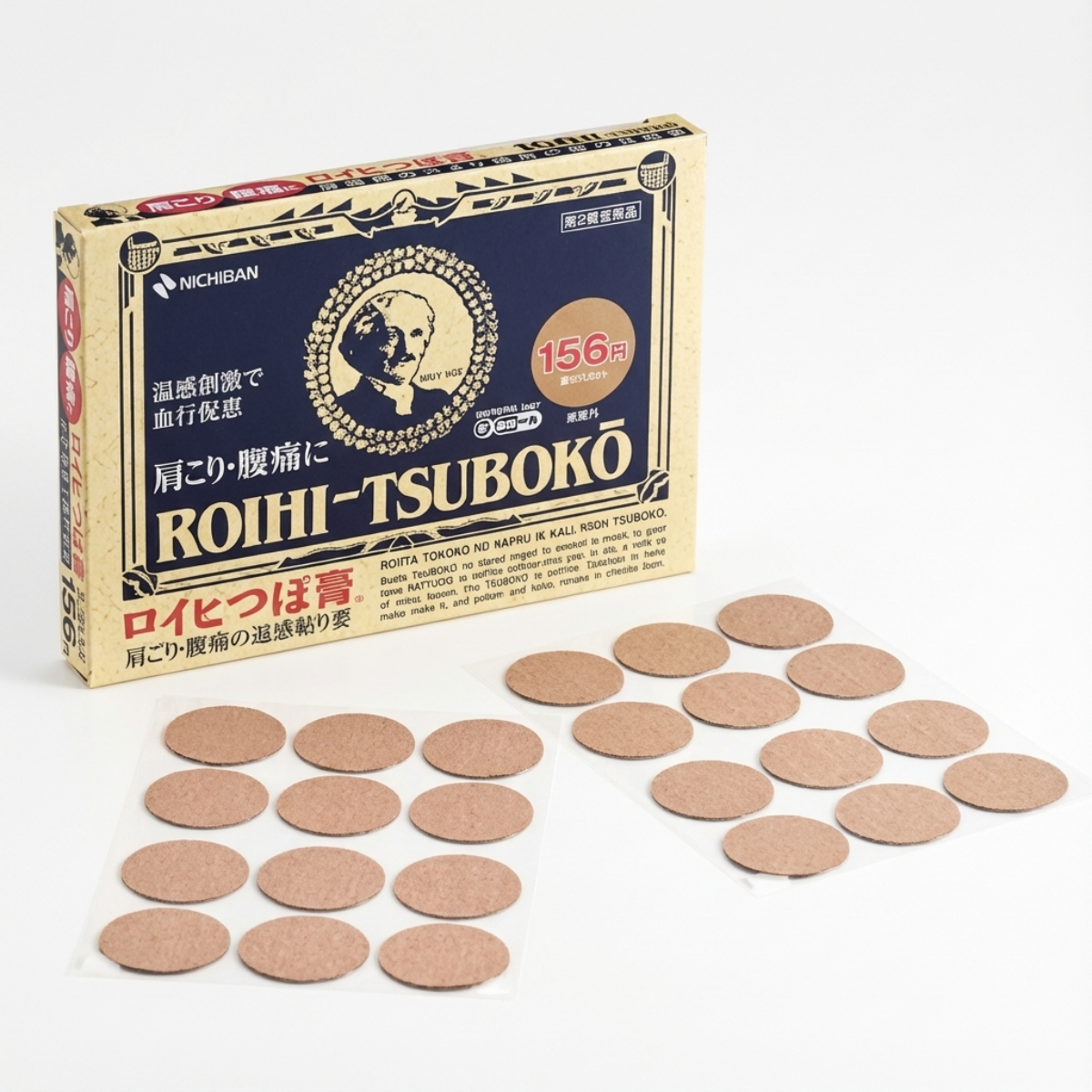
Everyday stiffness can sneak up on anyone—after long hours at a desk, a flight, a heavy gym session, or even just sleeping in a weird position. That’s why many people keep simple, targeted comfort products on hand. One that often comes up is Roihi-Tsuboko: a small, coin-sized warming medicated patch that people place on common tight spots like the neck, shoulders, and lower back to feel localized warmth and comfort.
This guide explains what these patches are, why warmth can feel helpful, how people commonly use them in daily life, and general safety tips—without overpromising or replacing medical advice.

What they are
Roihi-Tsuboko patches are small, round (coin-sized) medicated patches designed to be placed on specific areas of the body. People typically use them on:
-
Neck
-
Shoulders
-
Upper back
-
Lower back
The main experience users mention is a warming sensation that feels focused on the spot where the patch is applied. Many people reach for them when they want comfort during day-to-day stiffness—especially when they don’t want a bulky wrap or a large patch.
Why the warming sensation matters (in simple terms)
Warmth can feel good for stiffness because it often helps the area feel less “locked up” and more comfortable.
In simple terms:
-
Warmth can relax the feeling of tightness.
-
It may make a stiff area feel more “loose” and easier to move.
-
A focused warm sensation can be soothing, especially when you’re staying in one position for a long time.
Important note: people experience warmth differently. Some feel it strongly; others feel it mildly. The goal is usually comfort, not “instant fixes.”
Common everyday scenarios (desk work, travel, workouts)
Here are practical, real-life situations where people commonly use coin-sized warming patches.
1) Desk work (mouse shoulder, tech neck, long meetings)
-
Sitting for hours can leave shoulders and neck feeling tight.
-
People often apply a patch to a specific tender point (like the upper shoulder area) during work or after work for localized comfort.
2) Travel (planes, trains, long drives)
-
Travel often means limited movement and awkward posture.
-
Many people use warming patches on the neck/shoulders or lower back after arriving to feel more comfortable while unpacking, walking, or settling in.
3) Workouts (post-gym stiffness, “day after” tightness)
-
After strength training or a new routine, some people feel general stiffness.
-
A small patch is often used on a target spot (for example, a tight point near the shoulder blade or a stiff area in the lower back) for warmth and comfort—especially during recovery days.
How to apply safely (general)
Use the patch exactly as directed on the product packaging. If you’re unsure, these general steps help people avoid common issues:
-
Start with clean, dry skin
Oils, lotion, sweat, or damp skin can reduce adhesion and increase irritation risk. -
Pick a precise spot
These are small patches—aim for the most uncomfortable point, not the whole area. -
Apply gently (don’t stretch skin)
Place it flat and smooth it lightly. -
Wash hands after applying
If the patch contains active ingredients, you don’t want accidental contact with eyes or sensitive areas. -
Don’t combine with extra heat
Avoid heating pads, hot baths, saunas, electric blankets, or other heat sources over the patch unless the label explicitly says it’s okay. -
Remove if it feels too intense
If you feel burning, stinging, strong discomfort, or notice redness spreading—remove it and wash the area gently. -
Give skin a break
Rotating areas and leaving time between applications can help reduce irritation.
Common mistakes
These are the errors that most often lead to discomfort or skin irritation:
-
Using on broken, irritated, or freshly shaved skin
-
Applying right after a hot shower (skin can be more sensitive)
-
Stacking products (patch + heating pad + massage balm)
-
Placing on very thin/sensitive areas (or near eyes/mucous membranes)
-
Leaving it on longer than directed
-
Using multiple patches too close together on the same area
-
Ignoring early irritation (it’s better to remove early than “push through”)
FAQ (10 questions)
1) What exactly is a Roihi-Tsuboko patch?
It’s a small, coin-sized warming medicated patch that people place on targeted areas like the neck, shoulders, and lower back for warmth and comfort.
2) Do they get hot like a heat pack?
They usually feel warm, but it’s not the same as an external heat source. The sensation can vary by person and placement.
3) Where do people typically put them?
Common spots are stiff shoulders, neck tension points, and lower back stiffness areas.
4) Can I use it while working at a desk?
Many people do, as long as it’s comfortable and you’re following label directions. Avoid combining with additional heat.
5) Can I use it before a workout?
Some people prefer warmth after activity for comfort. If you use it before, make sure it doesn’t affect movement or irritate skin during sweating.
6) Can I put it on and then take a hot shower?
Generally, that’s a bad idea—heat can intensify the sensation and raise irritation risk. Use it away from hot showers/saunas unless the label explicitly allows it.
7) What if my skin turns red?
Mild redness can happen with warming products, but if it’s strong, painful, blistering, or spreading, remove it and don’t reapply to the same spot.
8) Can I use more than one patch at a time?
People sometimes do for separate areas, but using many at once can increase irritation risk. Follow the product instructions.
9) Will it “fix” the cause of stiffness?
These patches are typically used for comfort. If stiffness keeps returning, it may help to look at posture, movement breaks, sleep setup, training load, and professional guidance.
10) Are they okay for sensitive skin?
If you have sensitive skin, it’s smart to be cautious: try a short first use, avoid sensitive areas, and stop if irritation appears. If you have a history of reactions, ask a pharmacist or clinician first.
When not to use and when to ask a professional
Avoid using warming medicated patches (or ask a professional first) if any of these apply:
-
Broken skin, rash, eczema flare, sunburn, or active irritation on the area
-
Known allergy to topical patches/adhesives/medicated ingredients
-
Severe pain, numbness, tingling, weakness, or pain that shoots down an arm/leg
-
Unexplained swelling, fever, or redness that’s worsening
-
Symptoms after an injury (fall, accident, sudden sharp pain)
-
Stiffness that persists or repeatedly returns despite rest and basic care
-
You’re pregnant, have a chronic medical condition, or take medications where topical products might matter (check with a clinician/pharmacist)
Seek professional advice if:
-
the discomfort is new, intense, or getting worse
-
it’s interfering with sleep or daily function
-
you’re relying on patches frequently just to get through normal days
Disclaimer
This article is for general information only and does not provide medical advice, diagnosis, or treatment. Always follow the product label instructions and consult a qualified healthcare professional or pharmacist if you have questions, medical conditions, allergies, or persistent symptoms.
Related reading (internal linking ideas)
-
Neck and Shoulder Stiffness From Desk Work: Simple Daily Habits That Help
-
Heat vs. Cold for Everyday Aches: When People Choose Each (Simple Guide)
-
Travel Stiffness: How to Stay Comfortable on Long Flights and Car Rides
-
Post-Workout Tightness: Recovery Basics People Often Overlook
-
Topical Patches Explained: Adhesives, Sensitivity, and Skin-Safe Use Tips