The 'Natural Deodorant Detox' Myth: What's Really Happening When You Switch
the 'natural deodorant detox' myth: what's really happening
you've likely heard the buzz about a 'detox period' when transitioning to natural deodorant. the idea suggests your body needs time to purge toxins, leading to a temporary increase in odor or wetness. it's a compelling narrative, one that many brands have used to explain away initial discomfort. however, the science tells a slightly different story about what's actually unfolding beneath your arms.

understanding antiperspirants and deodorants
to truly understand the 'detox' experience, it's helpful to first differentiate between antiperspirants and deodorants. antiperspirants, by definition, work to reduce or stop perspiration. they typically contain aluminum compounds that interact with sweat ducts to help minimize wetness throughout the day. deodorants, on the other hand, do not stop sweat. their primary function is to neutralize odor, often through ingredients that inhibit the growth of odor-causing bacteria or by masking the scent with fragrance.
the shift in perspective: what changes when you switch
when you stop using an antiperspirant, your body's natural perspiration process can resume its full function. for someone accustomed to reduced wetness, this return to normal can feel like an increase in sweat. it's not that your body is suddenly 'detoxing' more; it's simply returning to its baseline. your apocrine glands, located in areas like the armpits, produce a thicker sweat that, when broken down by bacteria on the skin, creates body odor.
the role of bacteria in body odor
the human armpit is a complex ecosystem of bacteria. antiperspirants and conventional deodorants can alter this microbiome over time. the long-term use of antiperspirants may influence the balance of bacteria present on the skin. when you switch to a natural deodorant, especially one formulated with ingredients like baking soda or magnesium hydroxide, you might be introducing a new environment that shifts the balance of bacteria. this transitional period, where your skin's microbiome adjusts, can sometimes lead to a temporary increase in odor as the bacterial populations rebalance.
why some natural deodorants can feel irritating
it's also worth noting that some natural deodorants use ingredients that can feel uncomfortable on sensitive skin. baking soda, for example, is highly alkaline and can affect the skin's natural acid mantle, which may leave some people feeling uncomfortable or noticing visible skin changes. this reaction is often mistaken for a 'detox' response, when in reality, it's a sensitivity to an ingredient. if you experience discomfort, it's often a sign that the specific formulation isn't right for your skin, rather than a necessary phase of purification.
Frequently asked questions
is a 'detox period' truly necessary when switching to natural deodorant?
while your body isn't 'detoxing' in the traditional sense, there is an adjustment period. your sweat glands return to normal function, and the bacterial balance in your armpits may shift as you introduce new ingredients. this can lead to a temporary increase in wetness or odor for some individuals.
how long does this adjustment period typically last?
the duration varies for everyone. for some, the transition is seamless, while others may experience a noticeable change for a few days to a couple of weeks. consistency in using your new natural deodorant can help your body adapt more quickly.
what can i do if i experience increased odor or wetness during the transition?
consider showering more frequently or reapplying your natural deodorant throughout the day. wearing breathable fabrics can also help manage wetness. if odor is a concern, some people find success with an occasional armpit mask using clay or apple cider vinegar to help rebalance the skin's pH.
what if i develop a rash or irritation after switching?
a rash or irritation is usually a sign of sensitivity to an ingredient, not a 'detox.' baking soda is a common culprit. if this happens, discontinue use and try a natural deodorant formulated without baking soda or other known irritants. look for options with ingredients like magnesium hydroxide or zinc ricinoleate.
making an informed switch to natural options
the journey to finding the right natural deodorant is often one of trial and error. rather than viewing initial changes as a 'detox,' consider them part of an adaptation phase for your body and its unique microbiome. understanding the mechanisms at play can help you navigate this transition with confidence and choose products that genuinely support your skin's well-being. Upolife offers a curated selection of French pharmacy deodorants, known for their thoughtful formulations and gentle efficacy, to help you find your ideal match.
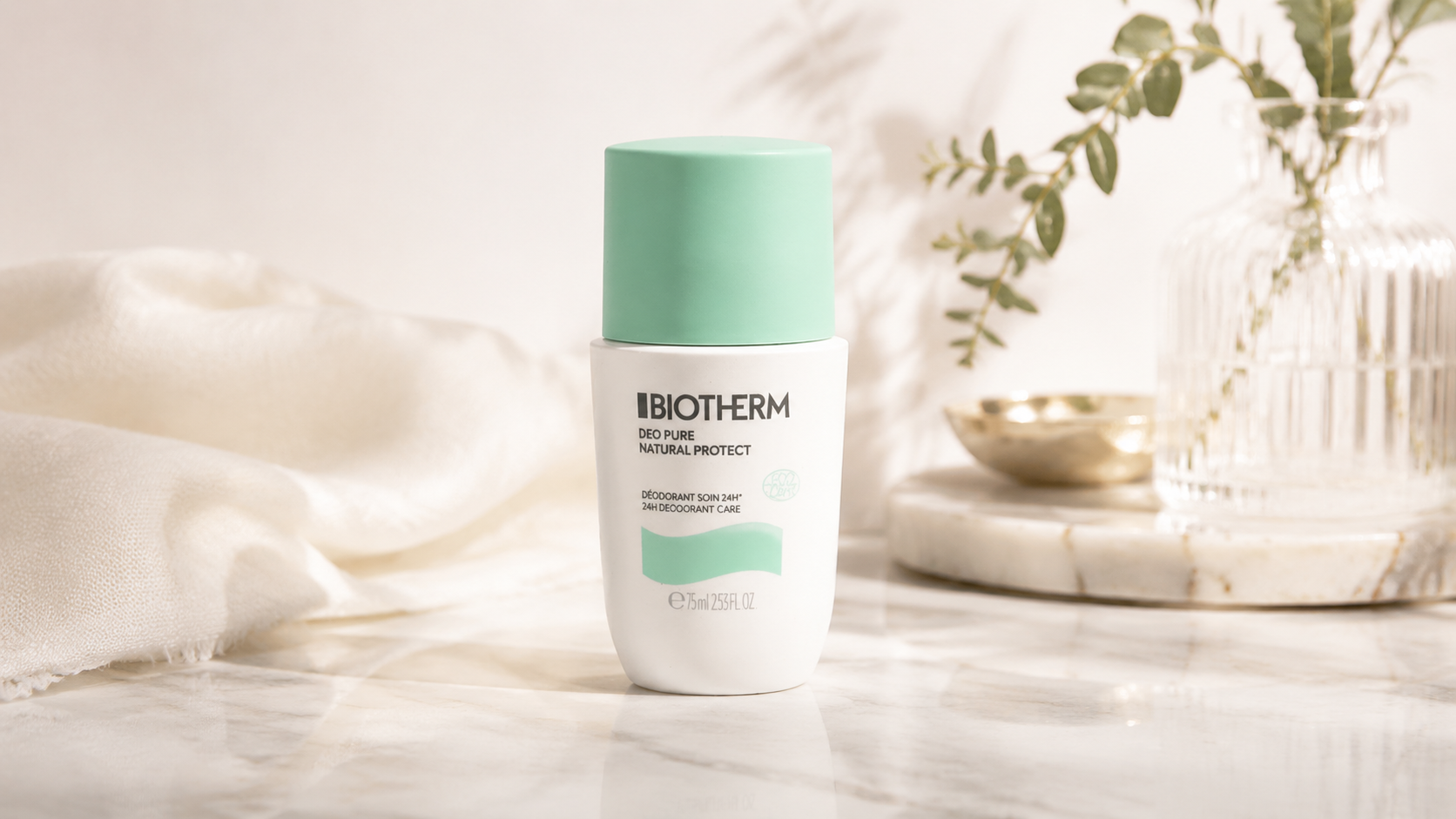
 Biotherm Deo Pure Natural Protect 24H Deodorant Roll-On 75ml$21.0 $24.0
 Uriage Eau Thermale Gentle Deodorant Roll-On 24H – 50ml$13.95 $17.0
 Uriage Eau Thermale Gentle Deodorant Sensitive Skin 2 x 50ml$26.5 $31.0
 Uriage Eau Thermale Power 3 Deodorant Roll-On for Sensitive Skin 50ml$14.9 $20.0
 La Roche-Posay Deodorant 24H Sensitive Skin Roll-On Duo 50ml x2$27.69 $35.0
 La Roche-Posay Deodorant 24H Sensitive Skin Roll-On 50ml$17.25
 Vichy Deodorant Dry Effect Roll-On 24H Sensitive Skin 50ml$16.5
 Vichy Deodorant Dry Effect Roll-On 24H Sensitive Skin Twin Pack 2x50ml$24.8 $31.0
 Vichy Deodorant Stick Dry Touch 24H Sensitive Skin 40ml$16.0
 Vichy Mineral Deodorant 48H Sensitive Skin 50ml$16.5
 Vichy Mineral Deodorant 48H Sensitive Skin 2 Pack 2x50ml$23.45 $31.0