The Myth of 'Pore Minimizing': What These Products Actually Do to Your Skin
Upolife Editorial Team·
the myth of 'pore minimizing': what these products actually do for your skin
it's a common desire: to have skin so smooth, so even, that pores seem to vanish. the beauty industry has long responded with a deluge of products promising to "minimize pores." but here's a truth that might surprise you: pores don't actually shrink. they are a fixed anatomical structure, and their size is largely determined by genetics, age, and skin type. so, what exactly are these products doing, if not truly minimizing pores?

understanding your pores
first, a quick lesson in skin anatomy. pores are small openings in the skin that release sweat and sebum, your skin's natural oil. each pore contains a hair follicle and a sebaceous gland. their visibility is often linked to how much sebum they produce and how much debris (like dead skin cells or makeup) accumulates within them. when they become clogged or distended, they can appear larger and more noticeable.
what 'pore minimizing' really means
when a product claims to "minimize pores," it's not promising to physically reduce their size. instead, it's working to make them less conspicuous. this is achieved through several mechanisms, primarily by keeping pores clear, refining skin texture, and managing the appearance of oiliness. the goal is to create an optical illusion of smaller pores, rather than a biological alteration.
the science behind the illusion
several ingredients and formulations contribute to the perception of refined pores. these often fall into categories that address the factors making pores appear larger in the first place.
exfoliation for clarity
one of the most effective ways to make pores less visible is through regular, gentle exfoliation. ingredients like salicylic acid (a beta-hydroxy acid, or bha) and alpha-hydroxy acids (ahas) work to shed dead skin cells and help clear the look of blocked pores. salicylic acid, in particular, is oil-soluble, allowing it to work along the pore surface to leave skin looking clearer and more refined. when pores appear free of buildup, they naturally look less prominent.
oil regulation for a smoother look
excess surface oil can make pores appear larger and shinier. products that help to manage the appearance of oiliness can significantly improve the look of your skin. ingredients like niacinamide (vitamin b3) are often lauded for their ability to help skin look more balanced over time, leading to a more matte finish and less noticeable pores. clay masks are another common tool, absorbing surface oil and impurities to temporarily tighten the appearance of pores.
hydration and skin plumpness
when skin is well-hydrated, it can appear plumper and smoother, which can also make pores seem less obvious. hyaluronic acid, for instance, draws moisture into the skin, creating a more even surface. skin that looks and feels dehydrated can sometimes appear shinier or less refined on the surface, potentially making pores look more noticeable. a good moisturizer is therefore an essential part of any routine aimed at refining skin texture.
topical treatments for texture
some products utilize ingredients that provide a temporary blurring or tightening effect. primers, for example, often contain silicones or other light-diffusing particles that create a smoother canvas, optically minimizing the appearance of pores. while these effects are not long-term, they can be very effective for immediate cosmetic improvement.
the bioderma approach to skin texture
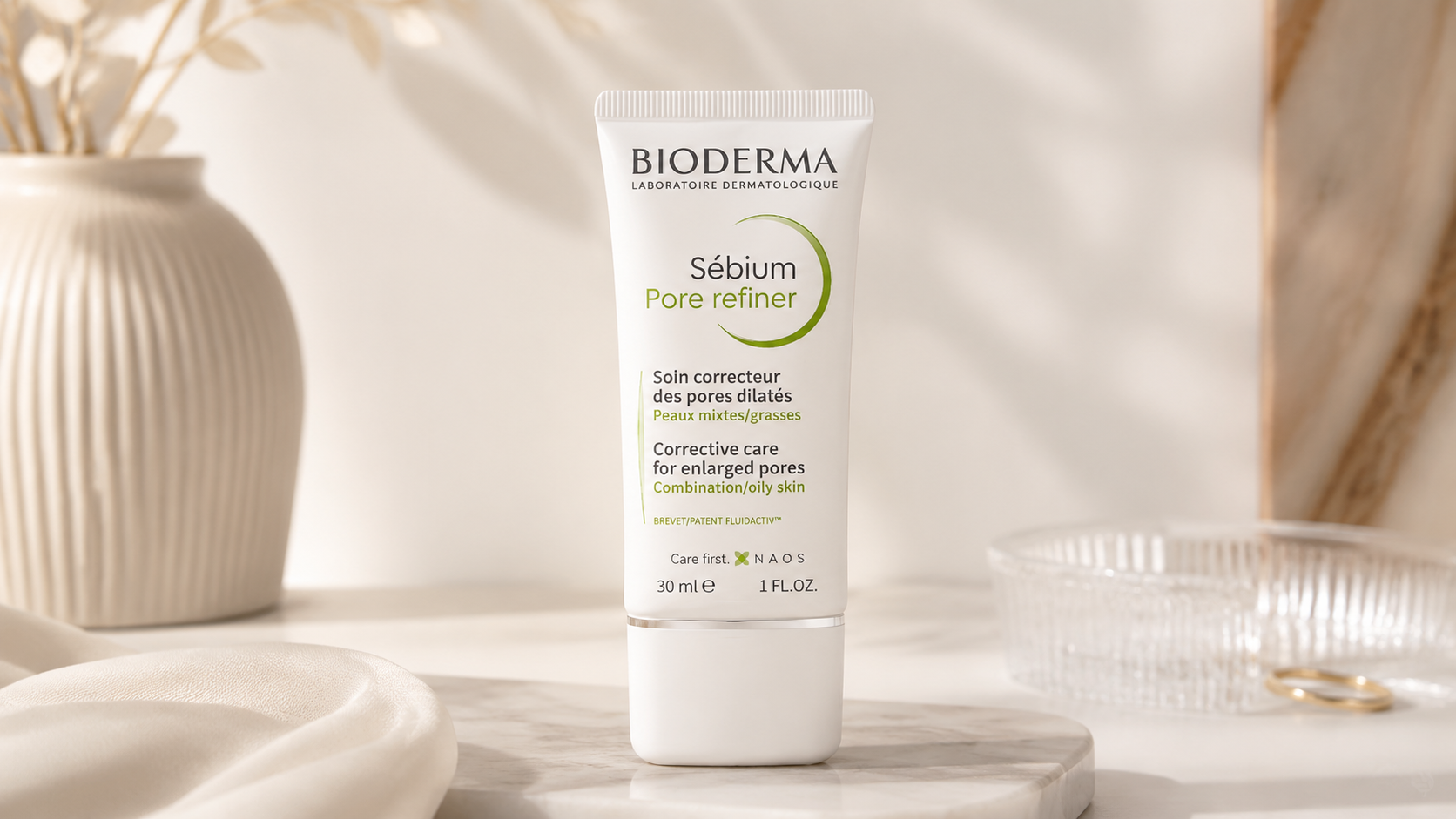
brands like Bioderma, with their roots in French dermatological expertise, exemplify this nuanced understanding. their Sébium line, for instance, is formulated with an ecobiological approach, respecting the skin's natural biology while addressing concerns like visible pores and excess surface oil. instead of making unrealistic claims about shrinking pores, these products focus on helping skin look less shiny, clarifying the skin's appearance, and improving overall texture to create a more refined look.
Frequently asked questions
can pores actually shrink?
no, pores are fixed anatomical structures and cannot physically shrink. products that claim to 'minimize' pores work by making them appear less noticeable through various mechanisms.
what makes pores appear larger?
pores can appear larger due to genetics, age, excess sebum production, and blockages from dead skin cells or impurities. when clogged or distended, they become more visible.
what ingredients help reduce the appearance of pores?
ingredients like salicylic acid and other ahas help exfoliate and clear pores. niacinamide helps manage oil production, and hyaluronic acid contributes to smoother, plumper skin, which can make pores less obvious.
 Bioderma Sébium Pore Refiner – 30 ml (1 fl oz)$23.0
 Bioderma Sébium Exfoliating Purifying Gel 100ml – Unclogs & Smooths Oily/Combination Skin EXP:08/26$11.2 $21.0
 Bioderma Sébium Kerato+ Anti-Blemish High Tolerance Gel-Cream 30ml$18.0 $21.0
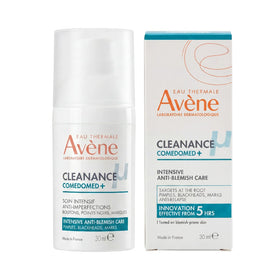
 Avène Cleanance Comedomed+ Intensive Anti-Blemish Care 30ml$24.8
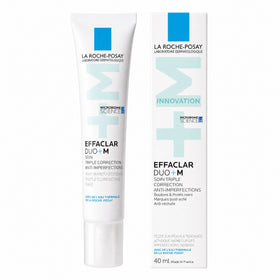
 La Roche-Posay Effaclar Duo+M Triple Corrective Care 40ml$15.5 $21.0
a holistic approach to skin health
ultimately, achieving the look of refined pores is less about a single 'miracle product' and more about a consistent, thoughtful skincare routine. this includes gentle cleansing, regular exfoliation, adequate hydration, and sun protection. embracing the reality that pores are a natural and necessary part of healthy skin allows us to focus on enhancing skin health and appearance, rather than chasing an impossible ideal.