



The SPF Myth: Do You Really Need Sunscreen When You're Indoors All Day?
Upolife Editorial Team·
the indoor SPF question: unraveling the myth
it's a common belief, perhaps even a comforting one: if you're not basking in the sun, you don't need sun protection. for many, the idea of applying SPF indoors feels like an unnecessary step, a relic of beach days or outdoor adventures. however, this notion often overlooks some important nuances of how UV radiation interacts with our environment and, more importantly, with our skin. let's explore why the line between indoor and outdoor sun protection might be blurrier than you think.

the invisible threat: UVA rays
when we think of sun damage, our minds often jump to sunburns, which are primarily caused by UVB rays. these are the rays that contribute to visible tanning and burning, and they are largely blocked by window glass. so, if your concern is sunburn, staying indoors certainly offers a good degree of protection from UVB.
however, the sun's spectrum also includes UVA rays. these rays have a longer wavelength and penetrate deeper into the skin. critically, UVA rays can pass through window glass, albeit at a reduced intensity. this means that even when you're inside, sitting by a window, or driving in your car, you are still exposed to a significant portion of UVA radiation.
the cumulative effect of daily exposure
it's easy to dismiss short, incidental exposures to UVA as inconsequential. after all, how much harm can a few minutes by the window really do? the answer lies in the cumulative nature of this exposure. unlike UVB, which can cause immediate, noticeable effects like a sunburn, consistent low-level UVA exposure tends to build up quietly over time, contributing to visible changes in skin appearance that can develop gradually across the years.
think of it like this: a single drop of water may not make a difference, but a steady drip can eventually fill a bucket. similarly, consistent, low-level UVA exposure from windows, even if it doesn't cause a burn, can contribute to long-term changes in skin appearance.
understanding broad-spectrum protection
this is where the concept of 'broad-spectrum' SPF becomes particularly relevant. a broad-spectrum sunscreen is formulated to protect against both UVA and UVB rays. while many people are diligent about applying SPF when heading outdoors, the importance of broad-spectrum protection indoors, especially for those who spend significant time near windows, is often underestimated.
french pharmacy brands, known for their rigorous formulations and dermatological focus, often prioritize broad-spectrum protection in their SPF offerings. this commitment to comprehensive defense reflects an understanding of the multifaceted impact of sun exposure, both direct and incidental.
who needs indoor SPF the most?
while everyone can benefit from understanding indoor sun exposure, certain individuals might find it particularly pertinent to incorporate SPF into their indoor routine. if your home office is bathed in natural light, if you commute by car daily, or if you spend hours near a large window, you are receiving more incidental UVA exposure than you might realize.
it's also worth considering that some skincare routines or active ingredients may leave skin looking and feeling like it benefits from an extra layer of broad-spectrum protection. in these cases, building SPF into your daily ritual, even when indoors, can be a thoughtful addition to your routine.
Frequently asked questions
do all windows block UV rays?
standard window glass effectively blocks most UVB rays, which cause sunburn. however, it allows a significant portion of UVA rays to pass through, which can still contribute to long-term skin changes. specialized UV-blocking films or laminated glass can offer more comprehensive protection.
is a low SPF sufficient for indoor use?
while incidental indoor exposure might be less intense than direct outdoor sun, opting for a broad-spectrum SPF of 30 or higher is generally recommended. this provides a good level of protection against both UVA and residual UVB that might penetrate.
should I apply SPF if I'm not near a window?
if you are deep within an interior space with no direct window access, your need for SPF diminishes significantly. however, if you frequently move through areas with windows or spend time in rooms with indirect natural light, applying SPF can still be beneficial.
does makeup with SPF offer enough protection indoors?
makeup with SPF can offer some level of protection, but it's often not applied in sufficient quantity to reach the stated SPF factor. for reliable broad-spectrum protection, especially if you're near windows, a dedicated sunscreen underneath your makeup is generally a more effective approach.
incorporating SPF into your daily ritual
integrating SPF into your morning routine, regardless of your immediate plans, can be a simple yet impactful step. consider it as foundational as your moisturizer or serum. many modern SPF formulations are designed to be lightweight, non-greasy, and blend seamlessly, making them easy to layer under makeup or wear on their own.
brands like Bioderma, Avène, and La Roche-Posay offer elegant SPF options that feel more like skincare than traditional sunscreens. these formulations often include additional beneficial ingredients, ensuring your skin receives care beyond just sun protection.
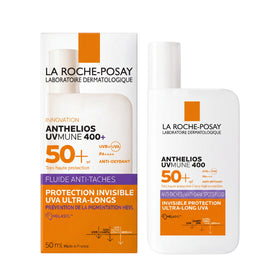
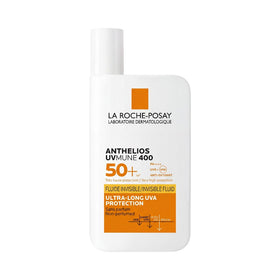
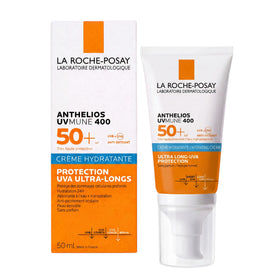
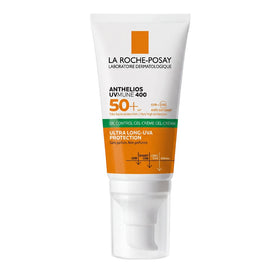
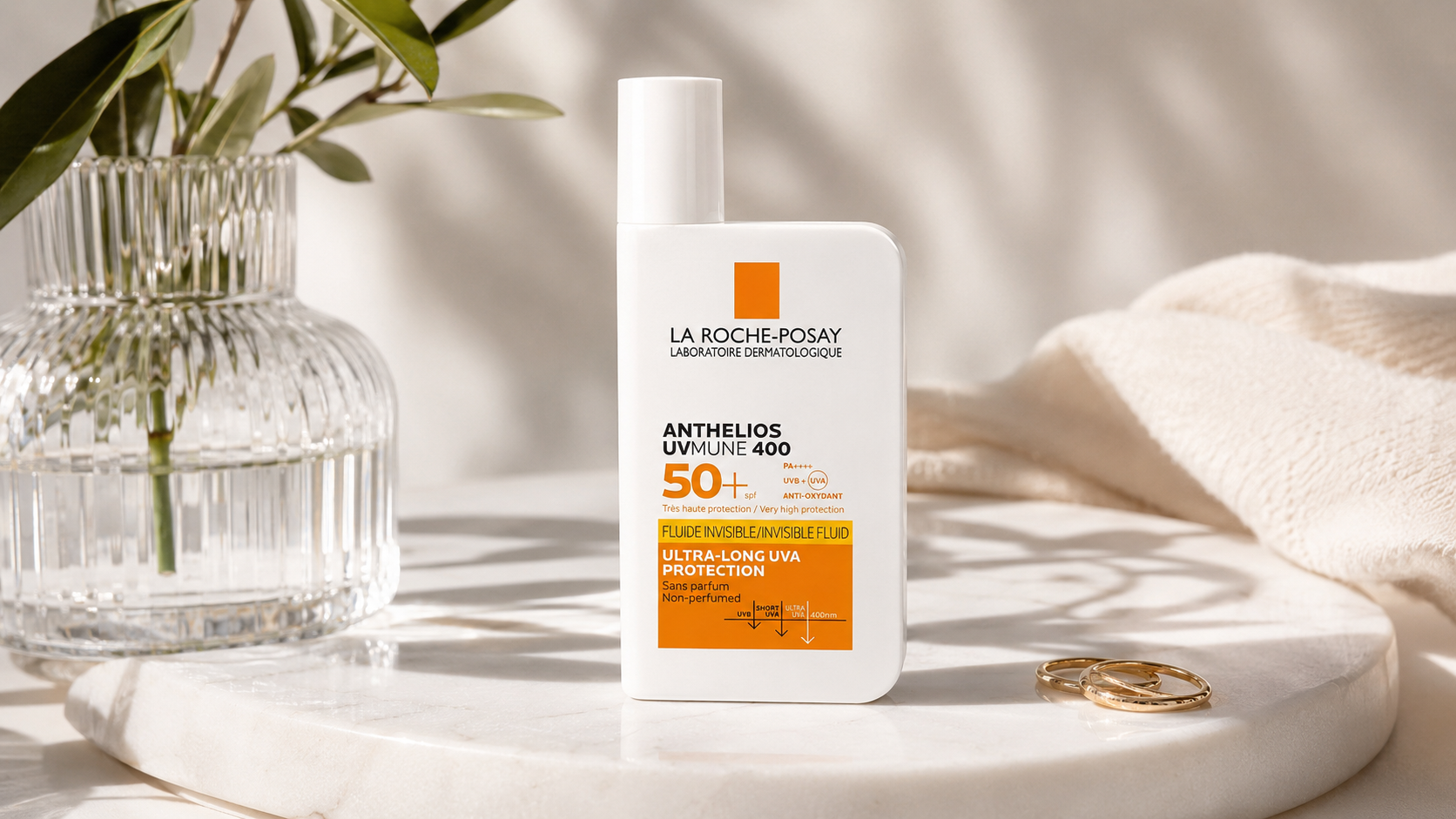
 La Roche-Posay Anthelios UVMune 400 Invisible Fluid SPF50+ Fragrance-Free 50 ml$23.5 $31.0
 Eucerin Pigment Control SPF 50+ Sun Fluid 50ml$21.95 $27.0
 Vichy Capital Soleil UV-Clear Anti-Imperfections Water Fluid SPF 50+ – 40 ml$29.0
 Vichy Capital Soleil Anti-Dark Spot 3-in-1 Tinted SPF 50 – 50 ml$21.95 $24.0
 Vichy Capital Soleil Dry Touch Face Fluid SPF 50 – 50 ml$18.9
a nuanced approach to sun care
the question of indoor SPF isn't about fear-mongering, but rather about informed choices. it's about recognizing that sun exposure isn't just about direct sunlight on a summer day. it's a continuous interaction with our environment, and understanding the role of UVA rays, even indoors, empowers us to adopt a more comprehensive approach to skin wellness.
so, while you might not need the same level of rigorous reapplication as you would at the beach, a daily application of broad-spectrum SPF, especially if you spend time near windows, is a thoughtful gesture of care for your skin's long-term vitality. it's a small step that acknowledges the subtle yet persistent influence of the sun, even when you're comfortably tucked away inside.