Rice Water for Hair: Does the Viral Trend Actually Work?
The allure of ancient hair rituals
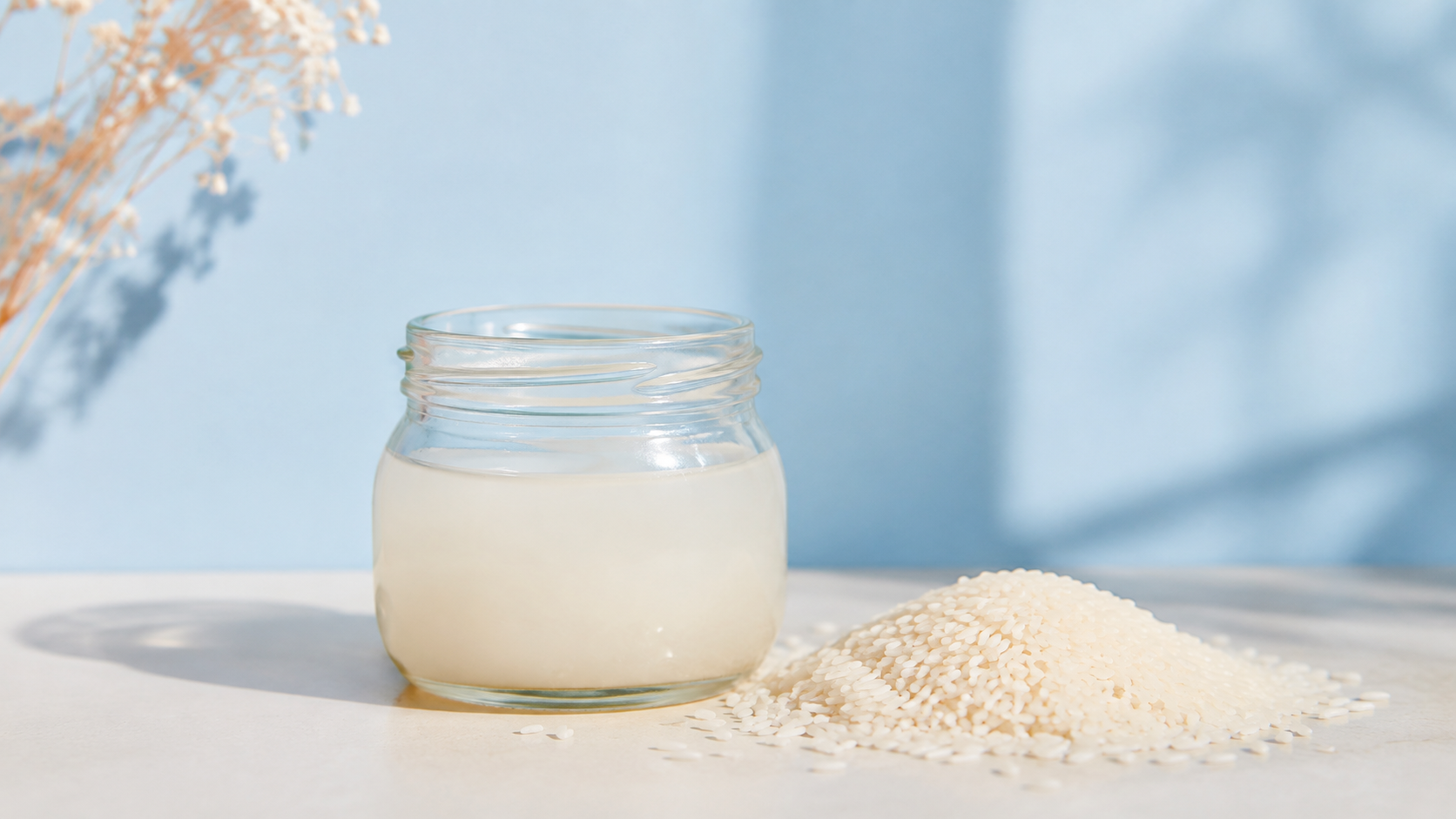
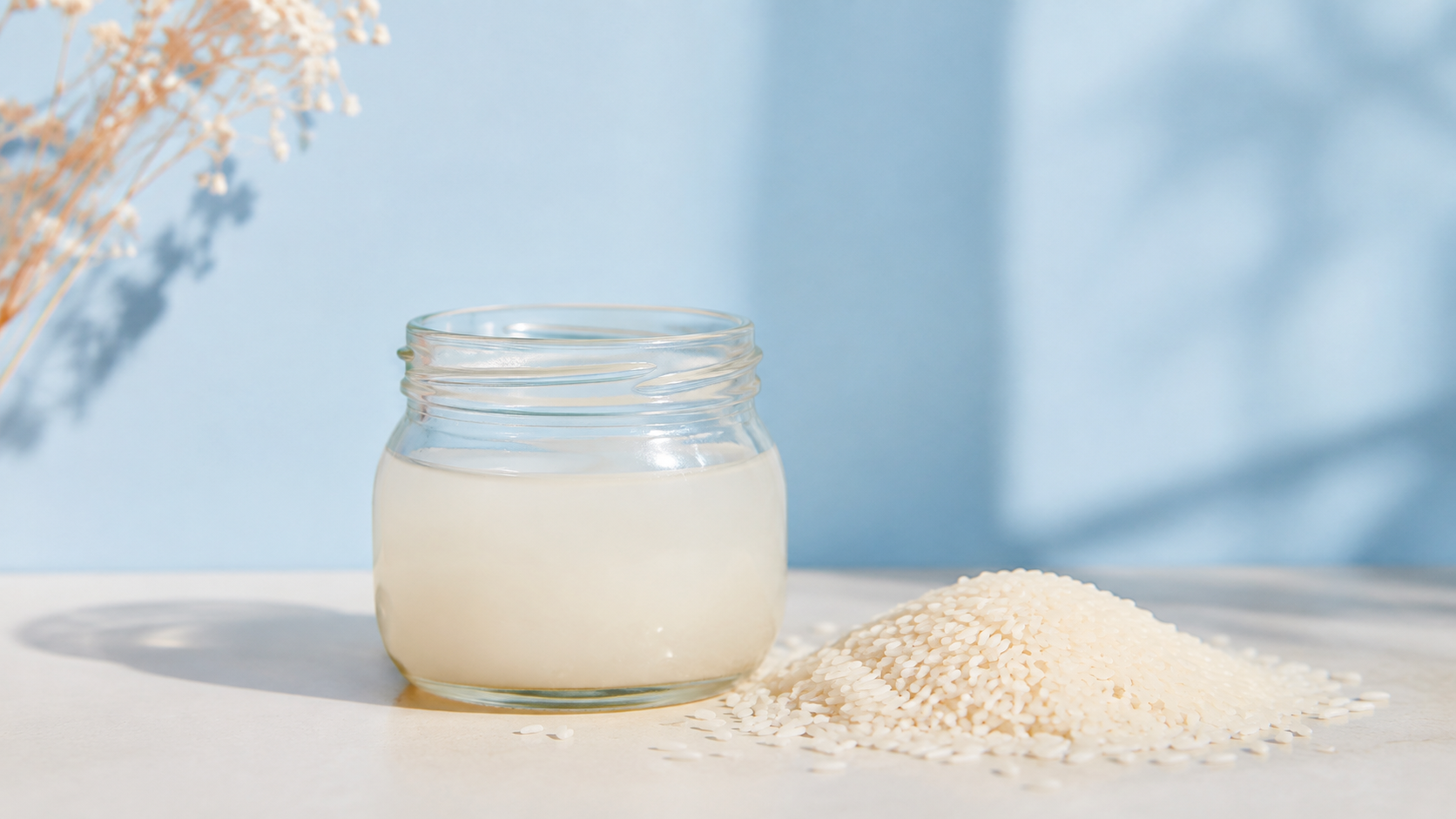
Every few months, a new beauty secret takes over our social media feeds, promising rapid and dramatic transformations with simple household staples. Currently, the spotlight belongs entirely to the rice water trend, a traditional rinse that has captured the imagination of millions searching for longer, glossier, and more resilient hair. The viral videos make the process look incredibly simple: soak some grains, strain the cloudy liquid, and pour it over your head for instant, glass-like radiance. But behind the satisfying aesthetic of these modern tutorials lies a complex botanical reality that deserves a closer, more rigorous look before you bring your kitchen pantry into the shower.
There is an undeniable charm to these ancestral rituals, which tap into our collective desire for clean, single-ingredient beauty solutions that feel closer to nature. In an era dominated by synthetic formulations and overwhelming, multi-step ingredient lists, the idea of returning to a simple, time-tested grain feels grounding, authentic, and deeply comforting. However, translating an ancient, regional tradition into a modern, daily DIY routine often overlooks the chemical nuances that make those original practices successful. To truly understand if this viral trend is worth the effort, we must separate the romanticism of the kitchen ritual from the actual molecular behavior of starch on the hair fiber.
Decoding the chemistry of rice water
To evaluate the efficacy of rice water, we must examine its chemical composition under a more analytical lens. The primary component of this cloudy, starchy liquid is starch, a complex carbohydrate that naturally coats the hair shaft. Alongside this starch, rice water contains small amounts of amino acids, B vitamins, vitamin E, and a specific carbohydrate compound known as inositol. Inositol has garnered significant attention in cosmetic chemistry because research suggests it can penetrate damaged hair fibers and remain there even after thorough rinsing, offering a continuous shielding effect. This microscopic barrier is what gives the hair its initial appearance of enhanced strength and structural integrity.
When you rinse your hair with this starchy solution, the proteins and carbohydrates bind to the outer cuticle of each strand. This creates a temporary, ultra-fine film that smooths down the overlapping microscopic scales of the cuticle, allowing light to reflect more evenly off the surface. The result is an immediate, highly visible increase in shine and a feeling of added thickness that can make thin hair feel instantly transformed. However, this surface-level coating is entirely temporary and does not alter the fundamental structure of the hair follicle itself. It is a cosmetic enhancement rather than a permanent biological transformation, acting much like a natural, lightweight styling glaze.
The temporary illusion of thickness
The immediate swelling of the hair shaft after a rice water rinse is often mistaken for rapid growth or permanent thickening. In reality, the starch molecules are simply occupying the microscopic gaps in damaged hair cuticles, temporarily inflating the diameter of each strand. While this can make fine or limp hair feel temporarily voluminous and robust, it is a physical coating rather than an increase in actual hair density. Understanding this distinction is crucial for managing expectations and avoiding the common styling mistakes that arise from overusing raw starch on delicate hair types, which can lead to unexpected stiffness.
Furthermore, this cosmetic thickness does not address the root causes of hair thinning or slow growth, which are primarily governed by genetics, hormones, and overall scalp health. Relying solely on a starch rinse to improve the appearance of your hair density can distract from addressing these deeper needs. A holistic approach to hair care involves nourishing the scalp and supporting the hair fiber with balanced, scientifically validated ingredients that offer sustained benefits rather than a fleeting, surface-level illusion.
The hidden pitfalls of kitchen chemistry
While the initial results of a DIY rice water rinse can be visually pleasing, the lack of preservation in homemade mixtures presents significant challenges that many tutorials fail to mention. Raw rice water left at room temperature quickly begins to ferment, attracting wild yeasts and airborne bacteria. While controlled fermentation can lower the pH to better match the hair, uncontrolled kitchen fermentation can lead to an unpredictable, highly acidic environment that may disrupt the delicate balance of your scalp. Furthermore, the sour, lingering odor of fermented rice water is notoriously difficult to wash out, turning what should be a relaxing self-care ritual into an unpleasant sensory experience.
Another overlooked risk is the potential for introducing harmful pathogens to your scalp. Without professional-grade preservation, a homemade batch of rice water becomes a breeding ground for bacteria within just twenty-four hours. Applying this mixture to a scalp that has minor scratches or micro-abrasions can lead to irritation and discomfort. The convenience of a kitchen remedy quickly fades when compared to the safety, stability, and peace of mind offered by professionally formulated and preserved hair care products.
The protein and starch overload dilemma
An even greater concern for hair health is the risk of starch and protein overload, which can quietly damage your strands over time. When raw starch is repeatedly applied to the hair without the balancing presence of rich emollients and moisture-binding agents, it can form a rigid, brittle layer over the cuticle. Over time, this buildup blocks external moisture from penetrating the hair shaft, leaving the strands dry, stiff, and highly susceptible to mechanical snapping during brushing. Without the precise calibration found in professional laboratories, kitchen chemistry often leads to a frustrating cycle of initial shine followed by long-term dryness and brittleness.
The scalp microbiome is a delicate, living ecosystem of beneficial bacteria and yeasts that thrives on balance. Introducing a highly concentrated, unpreserved starch solution directly to the scalp provides an abundant food source for these opportunistic microorganisms, potentially leading to imbalances, flaking, and general discomfort. French dermatological standards have long emphasized the importance of maintaining a clean, balanced scalp environment as the foundation for beautiful hair. This is why professional botanical formulations undergo rigorous purification and preservation processes, ensuring that the active ingredients benefit the hair without compromising the health of the scalp.
How French botanical science refines tradition
This is where the sophisticated philosophy of French pharmacy brands offers a superior, elegant alternative to unpredictable kitchen experiments. Laboratories in France have spent decades perfecting the art of phyto-cosmetology, which involves isolating the most beneficial molecules from plants and grains while discarding the heavy, unwanted elements. Instead of coating the hair in raw, unrefined starch, French botanical brands like Klorane and Phyto extract specific, purified proteins and lipids that mimic the hair's natural structure, delivering targeted nourishment without the risk of heavy buildup, unpleasant odors, or bacterial contamination.
By utilizing advanced extraction techniques, these laboratories can deliver the protective, smoothing benefits of botanical grains in elegant, balanced formulas that feel luxurious to use. For instance, instead of raw rice, French pharmacies often champion ingredients like soothing oat milk, protective flaxseed, or nutritive quinoa. These extracts are carefully refined and paired with hydrating emollients, ensuring that the hair receives both the structural support of proteins and the essential moisture needed to keep the strands flexible, soft, and resilient. This balanced approach completely eliminates the brittleness and stiffness associated with DIY starch rinses.
Elegant alternatives to raw starch
Furthermore, professional French hair care formulations are meticulously tested for safety, stability, and efficacy under strict dermatological supervision. When you use a curated botanical shampoo or treatment, you are benefiting from a precise, pH-balanced formula that respects both the scalp microbiome and the hair cuticle. There is no guesswork, no sour fermentation odors, and no risk of protein overload. Instead, you experience a refined, luxurious ritual that delivers consistent, elegant results, backed by the rigorous standards that have made French pharmacies the global benchmark for sophisticated, health-first personal care.
Finding your optimal hair care ritual
If you love the concept of using botanical grains to enhance your hair, the key is to integrate these ingredients through professionally formulated products rather than raw kitchen mixtures. Look for lightweight, botanical-infused conditioners and leave-in treatments that prioritize scalp health alongside strand resilience. A balanced routine should always pair structural proteins or starches with deep hydration to maintain the natural elasticity of your hair. This ensures that your strands remain supple and soft, rather than stiff and prone to breakage, allowing your natural texture to shine through beautifully.
Ultimately, the viral rice water trend highlights a universal truth: botanical ingredients possess incredible power to beautify and protect our hair when used correctly. However, to enjoy these benefits safely and effectively, we must look to the expertise of laboratories that specialize in refining these natural wonders. By choosing curated, scientifically balanced alternatives from trusted European pharmacies, you can elevate your hair care routine into a safe, luxurious, and highly effective ritual that delivers the glossy, resilient hair you desire without the mess, the odor, or the risk of damage.
 Ducray Anacaps Reactiv Hair Vitality Capsules – 90 Capsules (3-Month Supply)$47.0 $55.0
 Ducray Anacaps Expert Hair Vitality Capsules – 30 Capsules$23.0
 Ducray Anaphase Creastim Scalp Lotion – 60 ml$51.0 $59.0
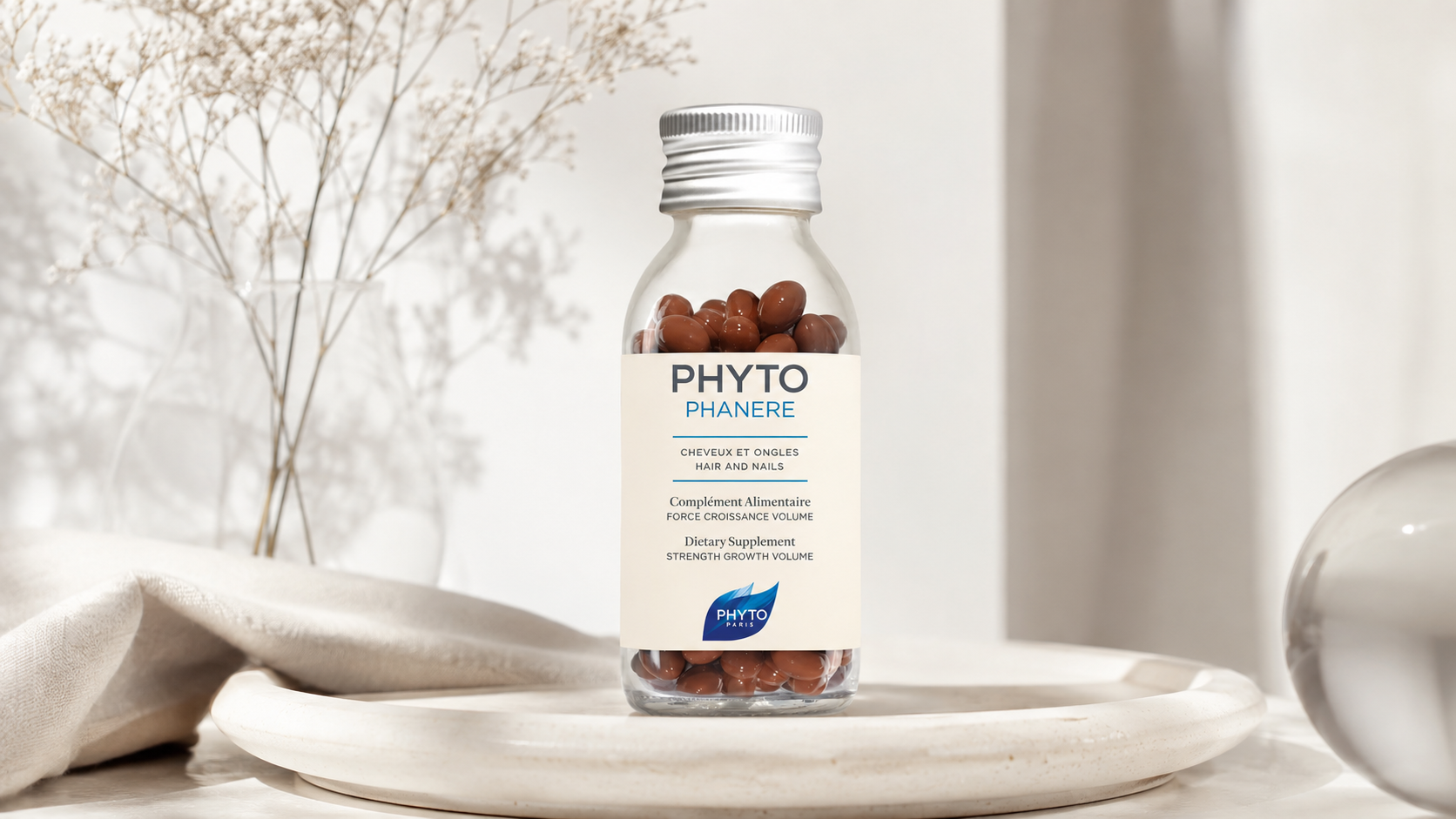
 PHYTO Phanere Hair and Nails Dietary Supplement 120 Capsules$25.0 $32.0
 Priorin Capsules Hair Nutrition Support 120 Capsules$79.4
 Weleda Revitalising Hair Tonic with Rosemary 100ml$18.0 $21.0
Frequently asked questions
Does rice water actually make hair grow faster?
There is no scientific evidence that rice water accelerates hair growth. While the starch and amino acids temporarily coat and strengthen the appearance of the hair shaft, actual hair growth is determined by genetics, diet, and scalp health.
Is it safe to use homemade rice water every day?
Using homemade rice water daily is not recommended. Overuse of raw starch can lead to protein and starch buildup, making the hair stiff, dry, and prone to breakage, while also potentially disrupting the scalp microbiome.
What are the best professional alternatives to DIY rice water?
French pharmacy products utilizing refined botanical extracts like oat milk, flaxseed, and hydrolyzed wheat proteins offer similar smoothing and protective benefits without the risk of buildup or bacterial contamination.
Can rice water cause scalp irritation?
Yes, unpreserved homemade rice water can ferment rapidly, harboring bacteria and yeasts that can irritate the scalp, cause flaking, and disrupt the natural scalp microbiome.