The 'Skin Flooding' Fad: Hydration Hero or Overhype?
The mechanics of moisture
In the ever-evolving landscape of digital skincare trends, a technique known as skin flooding has captured the collective imagination of beauty enthusiasts worldwide. The premise is deceptively simple: layering lightweight, water-binding serums onto damp skin, then sealing it all in with a rich cream to create a deeply hydrated, luminous complexion. While the internet celebrates this as a modern breakthrough for parched skin, the underlying principles are deeply rooted in classic dermatological science. At Upolife, we believe in looking past the viral hype to understand the actual physiological mechanisms at play, helping you determine whether this method deserves a permanent place in your daily ritual or if it is simply another passing fad.

What is skin flooding
At its core, skin flooding is a deliberate method of maximizing tissue hydration by applying skincare products in a specific, moisture-rich sequence. Instead of drying your face completely after cleansing, you leave the skin damp or actively mist it with a mineral-rich thermal water. While the skin is still wet, you apply one or more layers of humectant-dense serums, typically featuring hyaluronic acid or glycerin. The final step involves immediately pressing an occlusive moisturizer over the damp layers to trap the accumulated water before it has a chance to evaporate into the dry air, creating a reservoir of moisture on the surface of the skin.
Understanding skin dehydration
Before embarking on any intensive hydration routine, it is essential to distinguish between dry skin and dehydrated skin. Dry skin is a skin type characterized by a lack of natural oil production, whereas dehydrated skin is a temporary condition characterized by a lack of water in the stratum corneum. Dehydration can affect any skin type, including oily and acne-prone skin, and is often caused by environmental factors like cold weather, air conditioning, or harsh cleansing products. Recognizing this difference allows you to select products that target your specific needs rather than generic trends.
The role of humectants
To understand why this sequence works, we must look at the physical chemistry of humectants. Humectants are hydrophilic, or water-loving, molecules that behave like microscopic sponges within the skin. They possess chemical structures rich in hydroxyl groups, which allow them to form hydrogen bonds with water molecules, drawing moisture into the stratum corneum—the outermost layer of your skin. When you apply these molecules to a wet surface, they bind to the external water and hold it flush against your skin, instantly plumping the surface, softening rough textures, and smoothing out fine lines caused by temporary dehydration.
However, this molecular behavior carries a significant caveat that many social media tutorials overlook. If you apply a highly concentrated humectant serum to completely dry skin, especially in an arid environment, the molecules cannot find moisture in the surrounding air. Instead, they will draw water upward from the deeper layers of your dermis to satisfy their bonding capacity. This can actually exacerbate internal dehydration, leaving your skin feeling tight, dry, and compromised once the initial surface slip evaporates. This is why the damp foundation of skin flooding is not just a preference, but a scientific necessity for proper hydration.
The French pharmacy perspective
While the term skin flooding is relatively new, the practice of layering gentle, water-based formulas has been a cornerstone of French pharmacy heritage for decades. However, French formulation philosophy differs from modern trends in one crucial way: it prioritizes restraint, safety, and skin compatibility over sheer volume. Rather than piling on five different single-ingredient serums that can overwhelm the skin barrier, French estheticians advocate for multi-tasking, elegant formulas that deliver balanced hydration in fewer steps. The goal is always to support the skin natural equilibrium, not to saturate it to the point of irritation or sensitivity.
The importance of pH balance
Another critical aspect of the skin flooding technique is maintaining the natural pH of your skin barrier, which typically sits around 5.5. Many tap waters are slightly alkaline, which can temporarily disrupt this acidic environment and affect how comfortably your skin holds on to moisture. By starting your routine with a mineral-rich thermal spray that matches or supports the skin natural pH, you help maintain the integrity of the acid mantle. This simple step ensures that the subsequent layers of serums and creams can perform optimally without causing irritation.
Thermal water as the foundation
In any French-inspired hydration routine, the quality of the water you use is just as important as the serums that follow. Tap water often contains heavy minerals like calcium, magnesium, and chlorine, which can strip the skin natural oils and leave a drying residue. This is why French thermal spring waters, bottled directly at the source in protected geological regions of France, are so highly revered. These waters possess unique, stable mineral profiles and prebiotic properties that soothe the skin surface, priming it to receive subsequent hydration layers without the risk of irritation or barrier disruption.
The critical role of occlusives
Hydrating the skin is only half the battle; retaining that moisture is where the true science of barrier support lies. Without an effective occlusive layer, the water bound by your humectant serums will quickly escape through a process known as transepidermal water loss, or TEWL. Occlusives are lipid-rich formulations containing ingredients like squalane, ceramides, shea butter, or plant oils. These molecules form a protective, breathable film over the stratum corneum, mimicking the skin natural lipid barrier to lock in the newly introduced hydration and keep environmental stressors from penetrating the skin.
In traditional skin flooding tutorials, creators often recommend heavy petroleum-based ointments to seal the skin. While this can be effective for extremely dry skin types, it can easily clog pores, trap sweat, or cause congestion in others. The French pharmacy approach favors elegant, lightweight emulsions that utilize biomimetic lipids. These formulas absorb beautifully, offering robust barrier support and a soft, satin finish without the heavy, suffocating feel of traditional ointments, making them suitable for a wider variety of skin profiles, including combination and sensitive skin.
How climate affects hydration
Your local climate plays a massive role in how your skin responds to hydration layering techniques. In humid environments, humectants can easily draw moisture from the air, making skin flooding highly effective even with minimal occlusive sealing. However, in dry or heated indoor winter environments, the lack of atmospheric moisture means that humectants will struggle to find water. In these conditions, a robust, lipid-rich cream is absolutely essential to prevent the humectants from drawing moisture out of your skin, highlighting the need to adapt your routine to your surroundings.
Potential pitfalls of over-flooding
While the promise of an instant, dewy glow is incredibly appealing, more is not always better when it comes to skin hydration. Flooding the skin with too many layers or overly heavy products can lead to a condition known as hyperhydration or maceration. When the stratum corneum remains excessively wet for prolonged periods, the delicate arrangement of intercellular lipids can become disrupted. This can compromise the skin surface, leaving it looking less comfortable and more reactive to external irritants and environmental pollutants, defeating the entire purpose of your skincare routine.
Furthermore, layering multiple active serums increases the likelihood of ingredient conflicts and preservative overload. Every skincare product requires a preservative system to remain shelf-stable; when you apply four or five different serums in rapid succession, you are exposing your skin to a concentrated cocktail of these stabilizing agents. For those with sensitive or reactive skin, this can trigger redness, itching, or small, water-filled bumps. A streamlined approach using a single, expertly formulated hydrating fluid is often far safer and more effective than a chaotic, multi-step routine.
A curated hydration routine
To enjoy the genuine benefits of skin flooding without the associated risks, we recommend a refined, three-step French pharmacy protocol. This method ensures maximum moisture absorption while respecting the integrity of your skin barrier:
- Step one: prime. After a gentle cleanse, mist your face generously with a French thermal spring water, leaving the skin visibly damp.
- Step two: hydrate. Immediately apply a lightweight, glycerin-rich serum to the damp skin, smoothing it gently over your face and neck.
- Step three: seal. Finish with a lipid-replenishing emulsion or cream to lock in the moisture and reinforce your natural barrier.
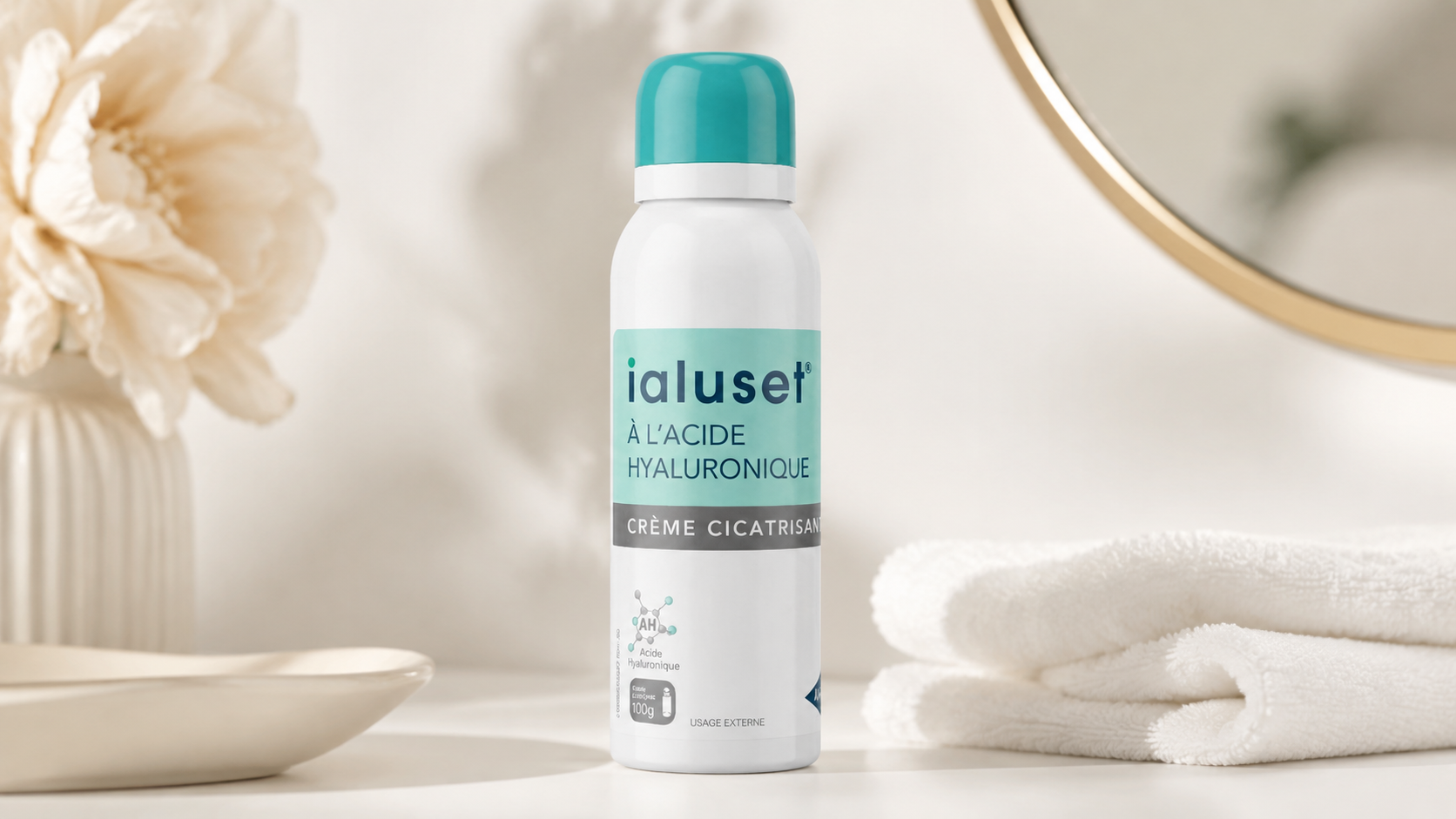
 Ialuset Hyaluronic Acid Cream Pressurized Bottle 100g$22.6 $29.0
 Bioderma Créaline DS+ Cream Soothing Purifying Care 40ml$23.0
 La Roche-Posay Effaclar H ISO-BIOME Hydrating Care 40ml$21.0
 La Roche-Posay Effaclar Duo+M Triple Corrective Care 40ml$19.9 $21.0
 Bioderma Sébium Purifying Cleansing Foaming Gel 100ml$11.95 $15.0
Selecting the right molecules
When choosing products for your hydration routine, the specific humectants in the ingredient list matter immensely. While hyaluronic acid has dominated beauty headlines for years, glycerin remains the gold standard of French pharmacy formulations. Glycerin is a smaller molecular weight humectant that can penetrate more deeply into the outer layers of the skin. It is incredibly stable, highly compatible with the skin natural moisturizing factors, and rarely causes the sensitization sometimes associated with synthetic, high-molecular-weight hyaluronic acids, making it an ideal choice for sensitive skin.
If you do choose to use hyaluronic acid, look for formulas that blend different molecular weights. High molecular weight hyaluronic acid sits on the surface of the skin, forming a silky, hydrating veil that instantly smooths texture. Low molecular weight hyaluronic acid has a finer texture that allows it to feel comfortable and cushioning at every layer of the application. Always ensure these formulas are balanced with soothing botanical extracts or thermal water to keep skin feeling comfortable and plump throughout the day.
The verdict on skin flooding
Ultimately, the skin flooding trend is not entirely overhype, but it does require a dose of scientific realism. The core concept—applying humectants to damp skin and sealing them with lipids—is a highly effective way to comfort dehydrated skin and restore a healthy, radiant appearance. However, the viral practice of piling on endless layers of complex serums is unnecessary and potentially disruptive to your skin delicate ecosystem. By embracing a minimalist, French-inspired approach, you can achieve the same luminous results with greater safety, elegance, and ease.
Frequently asked questions
Does skin flooding work for oily skin?
Yes, but oily skin types should opt for lightweight, oil-free humectants and fluid emulsions rather than heavy creams. This ensures the skin receives essential hydration without clogging pores or feeling greasy.
Is skin flooding safe for sensitive skin?
It can be, provided you avoid fragrance-heavy products and limit your routine to two or three gentle, minimalist formulas. Over-layering multiple active serums can easily sensitize delicate skin types.
Can I use tap water instead of thermal spring water?
While possible, tap water often contains minerals and chlorine that can strip the skin barrier. Using a French thermal spring water ensures a pure, mineral-rich, and soothing foundation for your hydration steps.
How often should I practice this hydration routine?
You can practice a simplified three-step hydration routine daily, both morning and night. However, avoid excessive layering or heavy ointments during the day, especially if you wear makeup or sunscreen.