What an Expert Would Actually Pick for Post-Procedure Skin Recovery
Upolife Editorial Team·
The post-procedure skin protocol

There is a distinct, almost palpable shift that occurs the moment you step out of the clinic after an intensive clinical procedure. Whether you have just undergone a laser resurfacing session, a chemical peel, or a thorough microneedling treatment, your skin suddenly enters a state of heightened vulnerability. It feels warm to the touch, noticeably tight, and incredibly sensitive to even the gentlest breeze. In these critical moments, the elaborate ten-step routines, active serums, and exfoliating acids we usually champion must be immediately set aside. The goal of your skincare routine shifts entirely from active transformation to quiet, protective comfort. As someone who has navigated countless post-procedure phases both personally and professionally, I have learned that the most thoughtful approach is one of radical simplicity, relying on time-tested, minimalist formulations that respect the skin's delicate moisture barrier and provide a safe, nurturing environment for natural recovery to take place.
Why the French pharmacy wins
This is precisely why the French pharmacy tradition remains the benchmark standard for post-procedure care. For decades, French dermatological brands have built their entire philosophies around the concepts of high tolerance, minimal ingredient lists, and profound skin respect. Unlike the fast-paced, trend-driven world of high-potency active ingredients, these classic formulations are intentionally designed to soothe, cushion, and envelope the skin in a protective layer of pure hydration. They carefully avoid the unnecessary fillers, heavy synthetic fragrances, and complex botanical extracts that can easily trigger a sensitized reaction in vulnerable skin. Instead, they rely on clean, dermatologically tested ingredients and sterile packaging systems to deliver exactly what your skin needs to feel comfortable, and absolutely nothing more. It is a disciplined, dermatological approach to beauty that prioritizes skin health above all else.
The philosophy of quiet care
When your skin is in this delicate, compromised state, it requires what I like to call quiet care. This philosophy is centered around the idea of pausing all active treatments and allowing the skin's natural protective systems to rest and reset. During this time, your skin lacks its usual lipid shield, making it highly susceptible to environmental stressors and rapid moisture loss, a phenomenon known as transepidermal water loss. By stripping your routine down to the absolute basics and focusing on rich lipids, comforting emollients, and soothing thermal spring waters, you can help your skin feel safe, cocooned, and deeply hydrated. It is not about forcing rapid changes, but rather about creating the perfect, undisturbed environment for your skin to recover its natural balance, regain its strength, and restore its suppleness at its own natural pace.
The expert edit for recovery
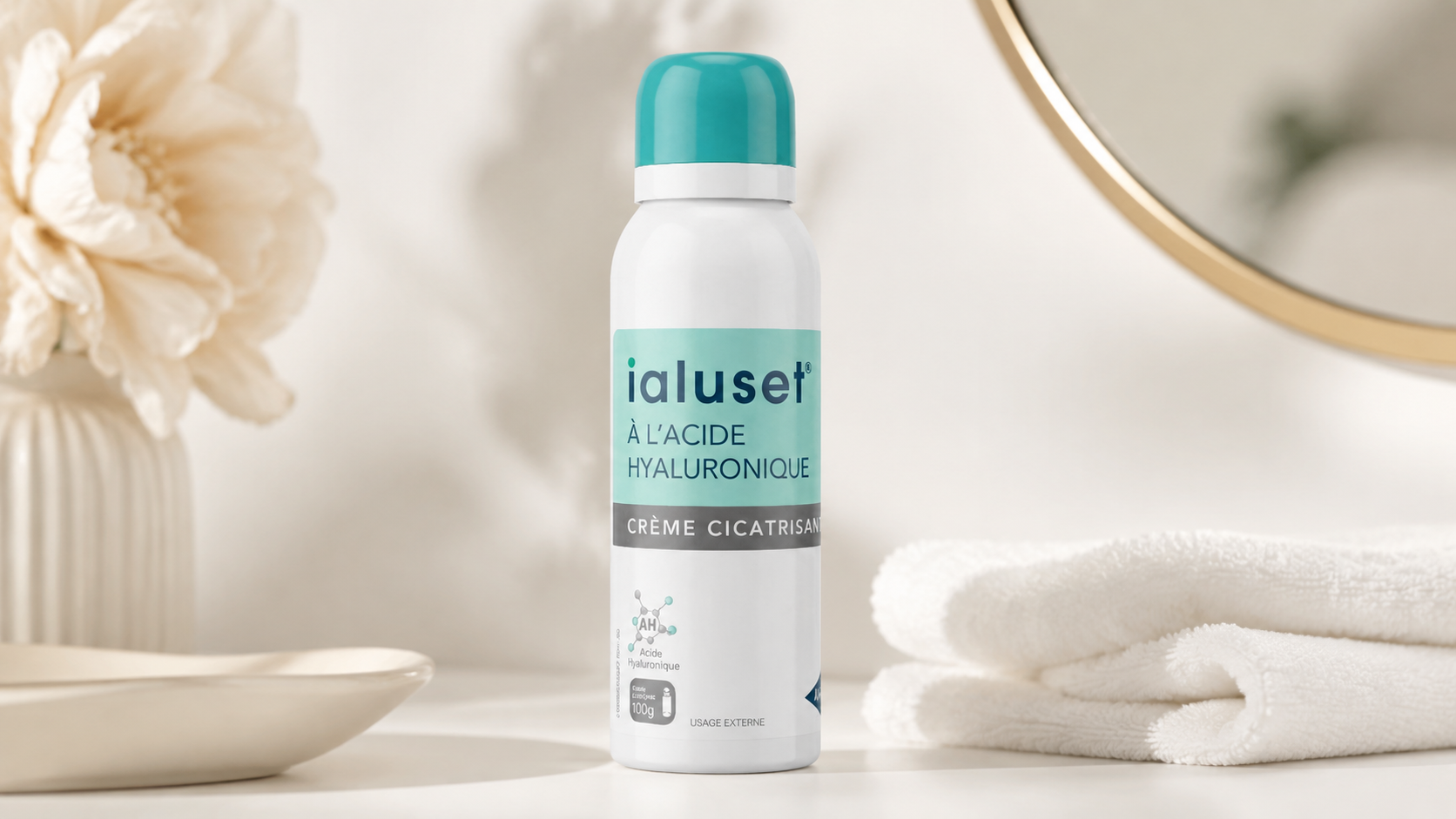
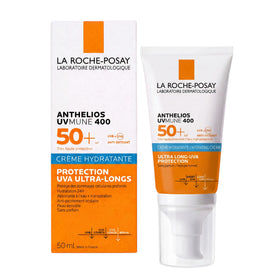
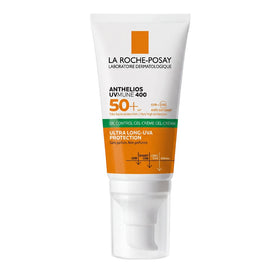
Selecting the right products for this delicate post-procedure window requires a highly discerning eye and an understanding of gentle formulation. The pick I would make is always a curated combination of an ultra-gentle, non-stripping cleanser, a rich protective balm that acts as a physical shield, and a pure mineral-based sunscreen. These are the unsung heroes of the vanity, designed not to dazzle with immediate, dramatic cosmetic changes, but to provide a reliable, comforting embrace when your skin feels its most exposed and fragile. They are the classic formulations I return to time and time again, trusted by dermatologists, pharmacists, and skin enthusiasts worldwide for their exceptional gentleness, elegant textures, and unwavering commitment to skin tolerance.
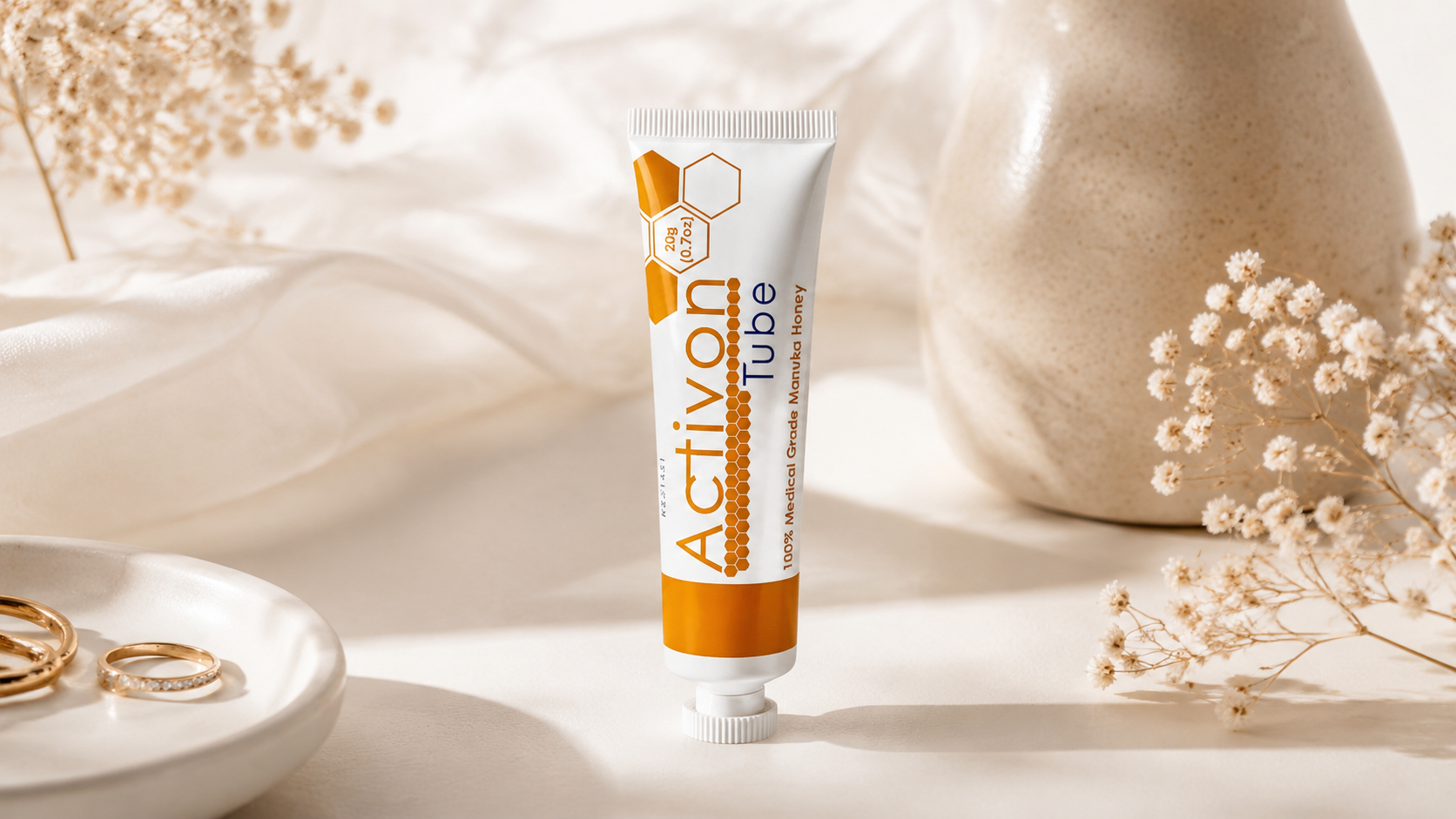
 Activon Manuka Honey Tube, 20g (0.7oz)$11.9
 Savlon Antiseptic Cream 75g$13.5
 Betadine Antiseptic Ointment 25g – Protective First Aid Ointment for Cuts & Scrapes$12.0
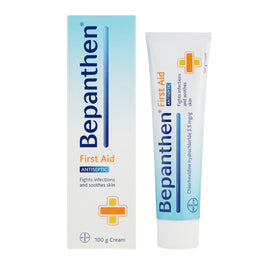
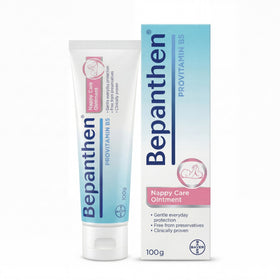
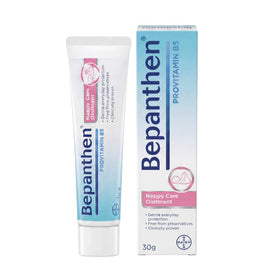
 Bepanthen First Aid Cream 100g$16.95
 Elastoplast Wound Healing Ointment Skin Repair & Protection 20g$8.8
Navigating the daily routine
Navigating your daily routine during the first few days following a procedure requires a gentle touch and a highly disciplined physical approach. Every single step of your routine should be performed with the absolute minimum amount of friction possible. When cleansing your face, avoid hot or even warm water entirely, as heat can strip away the precious few natural lipids your skin has left and exacerbate any feelings of warmth. Instead, opt for cool or lukewarm water and use only the pads of your fingers in slow, feather-light circular motions. When it comes to drying your face, never rub or drag a towel across your skin; instead, gently press a clean, soft microfiber washcloth against your face or allow your skin to air-dry slightly before applying your comforting hydration layers.
-
1. Mist to cool
Saturate the skin with a generous mist of thermal spring water to immediately cool the complexion and ease the sensation of warmth.
-
2. Press do not rub
Dispense a pea-sized amount of your protective balm and gently press it into the skin, avoiding any pulling or dragging motions.
-
3. Shield with mineral sunscreen
Apply a generous layer of physical mineral SPF to protect your vulnerable skin from UV rays without causing a stinging sensation.
What to avoid entirely
Knowing what to avoid is just as critical as knowing what to apply during this highly sensitive recovery phase. It is absolutely essential to lock away any products containing synthetic fragrances, essential oils, drying alcohols, or active exfoliants like glycolic, lactic, or salicylic acids, as these can cause an intense stinging sensation and prolong skin discomfort. Physical scrubs, mechanical cleansing brushes, and even rough cotton pads should be completely avoided to prevent micro-tears and unnecessary friction on the skin's surface. Keep your routine focused entirely on pure hydration and barrier support, resisting the urge to experiment with new, complex, or multi-functional formulations until your skin has fully returned to its normal, resilient state.
The role of mineral protection
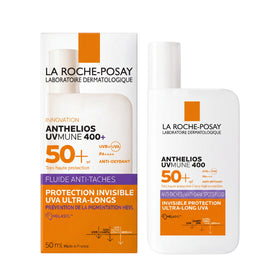
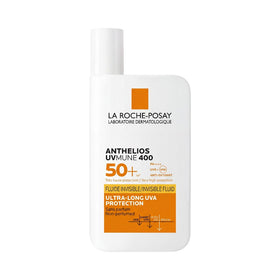
Sun protection becomes an absolute, non-negotiable priority during the post-procedure recovery phase. Because the skin's outer layer is temporarily thinned and its natural defenses are compromised, it is highly susceptible to the visible effects of UV rays and environmental light. Mineral sunscreens, which utilize physical blockers like zinc oxide or titanium dioxide, are the preferred choice for this delicate period. Unlike chemical sunscreen filters, physical shields sit gently on top of the skin's surface to reflect light away, making them a popular choice for those who prefer a gentle, non-irritating feel on sensitized skin. They offer a comfortable, lightweight barrier that keeps your vulnerable skin shielded from the sun while maintaining a cool, soothing feel.
Common recovery misconceptions
A very common misconception during the post-procedure recovery process is that peeling or flaking skin should be actively removed or exfoliated. When you begin to see dry flakes or peeling patches, it can be incredibly tempting to reach for a gentle scrub, a damp washcloth, or to gently peel the skin away with your fingers. However, this peeling is a natural, necessary sign of skin renewal and must be left entirely alone to shed at its own pace. Forcing the skin to flake off before the underlying layers are fully formed can lead to raw, tender patches and prolonged discomfort. Instead of exfoliating, wrap those dry areas in a generous, comforting layer of a rich balm, allowing the skin to flake off naturally when it is fully prepared.
Frequently asked questions
When can I return to my active skincare routine?
It is recommended to wait until all visible peeling, dryness, and sensitivity have completely subsided, which typically takes about five to seven days. When you do reintroduce actives like retinoids or acids, do so slowly and one at a time.
Why does my normal moisturizer sting after a procedure?
When the skin barrier is temporarily compromised, ingredients penetrate much deeper than usual, which can trigger a stinging sensation. Switching to a minimalist, fragrance-free balm designed for sensitive skin will help avoid this discomfort.
Can I wear makeup during the recovery phase?
It is highly recommended to avoid makeup for the first few days to allow the skin to breathe and recover without irritation. If you must wear makeup, opt for a mineral-based formula and apply it gently with clean fingers.
The lasting benefits of simplicity
Ultimately, the post-procedure phase serves as a beautiful, grounding reminder of the true power of minimalist skincare. It teaches us to listen closely to our skin, to recognize when it is asking for rest rather than stimulation, and to appreciate the elegant simplicity of pure, barrier-supporting creams. By choosing products that focus on deep hydration, gentle physical protection, and absolute respect for the skin's natural balance, we can navigate the recovery window with complete ease. In doing so, we emerge from the process with a complexion that feels comfortable, soft, and beautifully restored, proving that sometimes, the most thoughtful thing we can do for our skin is to simply let it rest.