
The Myth of 'Tingly' Skincare: Why That Sensation Isn't Always a Sign of Efficacy

The seductive myth of the skincare tingle
For decades, commercial beauty marketing quietly trained us to equate sensation with biological transformation. A sharp, stinging prickle across the cheeks was marketed as pore-tightening action, an icy blast of menthol was framed as deep purification, and the lingering warmth after an acid wash was celebrated as proof that the active ingredients were hard at work. This sensory feedback loop is undeniably satisfying to human psychology. When you invest time and money into a topical regimen, you want palpable confirmation that something profound is occurring at the cellular level.
In reality, modern dermatological science tells a very different story. The nervous system of human skin is equipped with specialized receptors designed to detect distress, chemical insult, and physical damage. When a formula triggers a distinct prickling or burning sensation, it is rarely announcing an enzymatic breakthrough or accelerated collagen synthesis. More often, it is your cutaneous nerve endings firing an alarm signal in response to acute barrier disruption, transient chemical irritation, or deliberate sensory additives intended to simulate activity where none exists.
Sensory misdirection and the nervous system
The human epidermis is threaded with unmyelinated C-nerve fibers and transient receptor potential channels, known in cosmetic science as TRP receptors. These receptors respond to chemical stimuli such as capsaicin, menthol, camphor, alcohol, and changes in localized pH. When a product causes a persistent cold sting or a flush of heat, it is often simply engaging the TRPM8 or TRPV1 channels in your epidermal nerve endings. This neurosensory reaction occurs entirely independently of clinical efficacy. A formula can set your nerve endings on fire while delivering zero therapeutic or reparative value to your skin.
In fact, cosmetic chemists frequently call these additions sensory markers. Essential oils, aromatic extracts, and volatile alcohols are sometimes incorporated into consumer products precisely because consumers have been conditioned to mistrust quiet creams. If a toner feels just like pure water, a shopper may assume it lacks potency; if that same toner contains peppermint extract or denatured alcohol that sparks an immediate icy burn, the user assumes it is actively purifying their pores. Over time, this misplaced faith in the tingle encourages chronic low-grade inflammation, a compromised lipid matrix, and heightened reactivity.
Menthol, eucalyptus, and volatile alcohols
Traditional astringents and clay masks designed for oily or congested skin have historically been the worst offenders of sensory manipulation. Formulators heavily dosed these preparations with eucalyptus, camphor, menthol, and high concentrations of denatured alcohol to leave the face feeling squeaky clean, taut, and ice-cold. While this sensory illusion can momentarily distract from oiliness, the physiological consequence is rapid dehydration and acute stripping of the surface lipid bilayer. The skin senses an emergency deficit in moisture, often leaving the complexion looking shinier and more congested than before — the very concerns the product was purchased to address.
Low pH acids and barrier disruption
Chemical exfoliation presents another frequent source of the dreaded tingle. Alpha hydroxy acids, beta hydroxy acids, and peeling agents work by loosening the desmosomal bonds between dead corneocytes, allowing dull cells to shed cleanly. When an acid product stings intensely upon application, it is not demonstrating superior efficiency; rather, the sudden influx of hydrogen ions has penetrated straight through micro-fissures in an already weakened stratum corneum. Intense stinging is a sign that the skin's surface comfort has been compromised, suggesting the formula may not be well-matched to your current skin condition.
What skin biology actually demands
True cutaneous improvement is quiet, steady, and fundamentally unglamorous. Healthy cellular turnover, lipid replenishment, and extracellular matrix support do not require an explosive sensory fanfare on your bathroom counter. In the classic French pharmacy tradition, dermatologists prioritize tolerance, physiological biocompatibility, and barrier preservation above all else. When you strip away irritating perfumes, harsh evaporative alcohols, and artificial cooling stimulants, the skin is freed from fighting off topical aggressors and can focus its natural energy on repair and equilibrium.
If you have spent years measuring the success of your evening routine by how intensely your face pricked, recalibrating your expectations can feel strange at first. Effective skincare should feel hydrating, cushioning, seamless, and entirely unbothered. Skin that remains calm during and after application is skin whose barrier integrity is being respected. When actives are properly buffered and delivered in biomimetic textures, you receive the full therapeutic benefits of exfoliation, humectant binding, and lipid restoration without triggering inflammatory alarm bells.
High tolerance exfoliation for clear skin
Transitioning away from aggressive, stinging treatments does not mean abandoning clarifying actives. It simply means choosing sophisticated formulations that balance keratolytic power with high cutaneous tolerance. Consider Bioderma Sébium Kerato+ Anti-Blemish High Tolerance Gel-Cream, a French pharmacy staple developed specifically for blemish-prone complexions that cannot tolerate traditional, stinging acne regimens. Its fluid, fresh gel-cream texture works to smooth uneven texture, visible blemishes, and shine without leaving a greasy or sticky residue, refining the look of skin while keeping it exceptionally comfortable.
When physical texture needs gentle re-texturizing, mechanical abrasion should never feel abrasive or harsh. Bioderma Sébium Exfoliating Purifying Gel offers oily and combination complexions an effective way to unclog pores and lift dead cells without triggering stinging irritation. Formulated with sensitive oily skin in mind, this wash-off gel purifies impurities and refines skin texture without drying the surface, demonstrating that mechanical and enzymatic clarity does not require sensory suffering to deliver clean, radiant skin.
The restorative power of quiet barrier creams
When intensive treatments or harsh weather sensitize the face, compensating hydration is vital. Instead of layering complex cocktails that overwhelm stressed tissue, French dermatologists rely on focused formulations. Bioderma Sébium Hydra Ultra-Moisturizing Compensating Care was engineered for acne-prone skin that feels tight, parched, or temporarily sensitized by intensive skincare routines. Rather than stripping the complexion, this creamy formula wraps the face in lasting moisture, offsetting the flaking and tightness that often follow over-exfoliation.
For skin displaying visible flakes, redness, and reactive discomfort, Bioderma Créaline DS+ Cream Soothing Purifying Care provides targeted comfort. Formulated around dermatological expertise for sensitive complexions prone to redness and scaling, this soft, creamy moisturizer calms the appearance of visible distress and purifies without heaviness. By restoring cutaneous balance quietly, it proves that caring for complex skin requires gentle persistence rather than aggressive, stinging formulas.
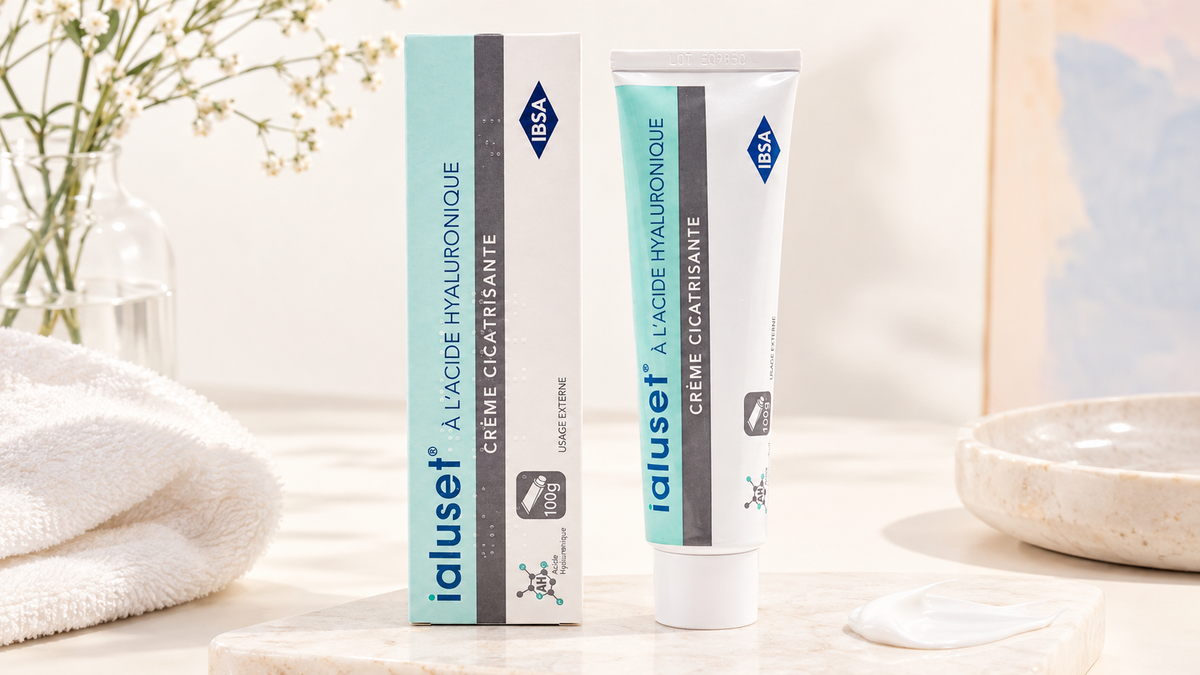
Minimalism reaches its purest expression in single-focus humectants like Ialuset Hyaluronic Acid Cream, available in both a classic 100g tube and a hygienic Ialuset Hyaluronic Acid Cream Pressurized Bottle. Built around 0.2% sodium hyaluronate in a clean base of just thirteen ingredients, without fragrance or dyes, Ialuset holds water at the skin surface to relieve parched, stretched, or post-treatment skin. Similarly, Embryolisse Lait-Crème Sensitive Fragrance-Free Multi-Function Moisturizer strips away fragrance to wrap reactive, easily triggered skin in an odorless, silky veil of hydration, serving as a soothing daily moisturizer, primer, or gentle cleansing milk.
 Bioderma Sébium Hydra Ultra-Moisturizing Compensating Care 40 ml$20.4 $23.0
 Ialuset Hyaluronic Acid Cream 100g – Protective Repairing Skin Care$21.5 $27.0
 Homeoplasmine Soothing Multipurpose Balm 40g – Protective Skin Care by Boiron$13.95 $18.0
 Bioderma Sébium Exfoliating Purifying Gel 100ml – Unclogs & Smooths Oily/Combination Skin EXP:08/26$11.2 $21.0
 Balneum Plus Cream with Urea & Lauromacrogols 100g$12.5
 Atopiclair Non-Steroidal Cream 100 ml$17.8
 Ialuset Hyaluronic Acid Cream Pressurized Bottle 100g$22.6 $29.0
 Bioderma Sébium Kerato+ Anti-Blemish High Tolerance Gel-Cream 30ml$18.0 $21.0
 Bioderma Créaline DS+ Cream Soothing Purifying Care 40ml$23.0
 Embryolisse Lait-Crème Concentré Multi-Function Moisturizer 30ml$13.5 $19.0
 Embryolisse Lait-Crème Sensitive Fragrance-Free Multi-Function Moisturizer 100 ml$23.6 $31.0
Healing chapped and over-exfoliated skin
When sensory-driven skincare has pushed your barrier into acute dysfunction, the immediate priority is shielding the skin while the lipid matrix reconstructs itself. Cult French pharmacy formulas excel at this restorative task. Boiron Homeoplasmine Soothing Multipurpose Balm creates a velvety protective veil over dry, chapped, or irritated patches. Originally beloved by French makeup artists and pharmacists, this minimalist ointment quietly comforts cracked lips, irritated noses, and windburned cheeks without any burning or prickling sensation.
For widespread dryness and skin that feels intensely uncomfortable, active barrier support can be paired with proven softening agents. Balneum Plus Cream with Urea & Lauromacrogols is formulated for very dry, tight, and uncomfortable-feeling skin. Its smooth, nourishing texture melts effortlessly into the skin without greasy weight, blending urea to help support the skin's natural moisture-retaining appearance with lauromacrogols to deliver an immediate sensation of comfort and ease to areas that feel irritated or unsettled. Meanwhile, Atopiclair Cream delivers a minimalist, no-fuss barrier experience designed to leave sensitive-feeling skin cushioned, protected, and hydrated without stinging additives or harsh ingredients.
Frequently asked questions
Does an acid peel need to tingle to show it is working?
No. Chemical exfoliants work by breaking down cellular bonds in dead surface skin, an enzymatic and chemical process that occurs whether your sensory nerves register it or not. Intense stinging often simply signals that the acid has penetrated micro-fissures in a compromised barrier.
Why do some cleansers leave a cooling sensation on the skin?
Cooling sensations are typically induced by volatile ingredients like menthol, peppermint oil, or alcohol, which trigger TRPM8 sensory receptors on epidermal nerve endings. This sensation creates the illusion of deep cleanliness but has no bearing on how effectively dirt or excess sebum is cleared.
What should I do if a product begins burning or stinging?
If a product causes an acute burning sensation that lasts more than a few seconds, rinse it thoroughly with cool water. Follow up with a simple, fragrance-free barrier moisturizer such as Ialuset Hyaluronic Acid Cream or Embryolisse Lait-Crème Sensitive to cushion and calm the area.
Can healthy, well-tolerated exfoliators still produce results?
Yes. Modern dermatological formulas, such as Bioderma Sébium Kerato+, combine gentle exfoliating acids with buffering and soothing agents that keep skin calm and comfortable while effectively unclogging pores and smoothing uneven texture.


