Ceramides: Restoring the Skin Barrier's Essential Lipids
The architecture of the stratum corneum

The outer surface of human skin is an engineering marvel designed to keep hydration locked inside while keeping environmental stressors out. In dermatological science, this outer protective shield is known as the stratum corneum, frequently conceptualized through the classic brick and mortar model. In this structural paradigm, the corneocytes—flattened, anucleated protein cells packed with keratin—act as resilient bricks, while an intricate, multi-lamellar lipid matrix functions as the surrounding mortar. Without this continuous lipid matrix, the epidermal structure loses its cohesion, leaving internal moisture vulnerable to rapid evaporation into the surrounding air.
Within this intercellular mortar, lipids are arranged in highly ordered crystalline bilayers known as lamellar sheets. These continuous sheets form a hydrophobic seal that governs cutaneous permeability, dictate tactile softness, and control overall resilience. When skin feels taut, rough, or perpetually parched, the underlying issue is rarely a simple absence of surface water; more fundamentally, it represents an interruption in this delicate lipid lattice. Restoring optimal cutaneous function requires an understanding of the specific molecular components that compose this matrix, foremost among them being ceramides.
Understanding ceramides and lipid equilibrium
Ceramides are polar, endogenous sphingolipids composed of a sphingoid base linked to a fatty acid chain via an amide bond. In healthy human stratum corneum, ceramides constitute roughly 50% of the total lipid mass by weight, establishing them as the indisputable foundation of the skin's moisture retention capacity. At the molecular level, their elongated, saturated hydrophobic tails align tightly with adjacent lipids, packing into dense, highly organized crystalline structures that create an exceptionally low-permeability pathway for water molecules attempting to escape.
Dermatological research has identified at least twelve distinct families of ceramides naturally synthesized within epidermal keratinocytes during cell differentiation. These variations differ in their carbon chain lengths, degrees of hydroxylation, and specific sphingoid headgroups. Particularly vital are the esterified omega-hydroxyacyl-sphingosines, often termed acylceramides, which feature exceptionally long fatty acid chains capable of riveting adjacent lamellar membranes together. When these specialized lipids are plentiful, the stratum corneum maintains an almost impenetrable seal against trans-epidermal water loss.
The tripartite ratio of barrier lipids
While ceramides claim the largest share of the barrier's structural real estate, they do not function in isolation. The biological competence of the skin barrier relies on a precise, equimolar coordination among three primary lipid classes: ceramides, cholesterol, and free fatty acids. In physiological skin chemistry, these three constituents exist in approximately equal molecular proportions, usually cited as a 1:1:1 molar ratio, or a 50:25:15 percentage distribution by weight. Each member of this triad plays a distinct yet mutually dependent structural role in forming stable lamellar bilayers.
Cholesterol functions as a membrane fluidizer and structural stabilizer. It nestles between the rigid ceramide tails, preventing them from crystallizing into brittle, inflexible domains, while concurrently preventing the matrix from melting into a leaky, overly fluid state under ambient temperature variations. Meanwhile, free fatty acids—predominantly saturated species like palmitic and stearic acids—contribute to maintaining the physiological acidic mantle of the skin surface, with a typical pH between 4.5 and 5.5. This low pH environment is critical for activating the endogenous enzymes responsible for generating mature ceramides from glucosylceramides and sphingomyelins.
When skincare formulations provide ceramides in the absence of supporting lipids, or when an unbalanced ratio is delivered, the formation of coherent lamellar sheets can actually be disrupted. True physiological support mirrors the natural architecture of the stratum corneum, supplying the full complement of lipids necessary to re-establish cohesion across dehydrated and sensitized skin layers.
Why barrier lipids become depleted
Despite its evolutionary robustness, the lipid matrix remains exceptionally susceptible to modern lifestyle factors and aggressive environmental stressors. One of the most prevalent causes of lipid depletion is the frequent use of harsh alkaline cleansers and surfactant-heavy washes. Surfactants with high critical micelle concentrations penetrate directly into the intercellular spaces, solubilizing and washing away natural ceramides and cholesterol alongside surface impurities, leaving behind compromised, porous lamellae.
Climatic shifts and indoor artificial environments accelerate this breakdown. In winter or within air-conditioned rooms, cold exterior air and dry indoor heating create steep humidity gradients that draw moisture aggressively from the stratum corneum. This environmental stress can impair the enzymatic processing necessary to synthesize new barrier lipids. Coupled with the natural deceleration of lipid production as skin ages, the barrier gradually thins, demonstrating an elevated rate of trans-epidermal water loss, pronounced reactivity to standard topicals, and a persistent sensation of tightness.
The French pharmacy approach to barrier recovery
In France, dermatological skincare has long eschewed aggressive active-chasing in favor of physiological balance and ecobiological respect for the skin's innate ecosystem. French pharmacy formulations are engineered around the premise that the barrier does not require aggressive intervention; rather, it requires gentle, bio-compatible support that mimics its native biological processes. By combining mineral-rich thermal spring waters with purified emollients, soothing trace elements, and targeted humectants, these formulations focus on reducing reactivity while reinforcing the lipid envelope.
Rather than relying solely on high concentrations of isolated actives, French skincare culture emphasizes protective balms and specialized recovery emulsions. These textures form an invisible, breathable cocoon over stressed tissue, buffering the stratum corneum from dry ambient air while providing an optimal microclimate for the skin's natural reparative pathways to proceed unhindered. This disciplined methodology delivers comfort, structural resilience, and enduring softness without inducing unnecessary cosmetic irritation.
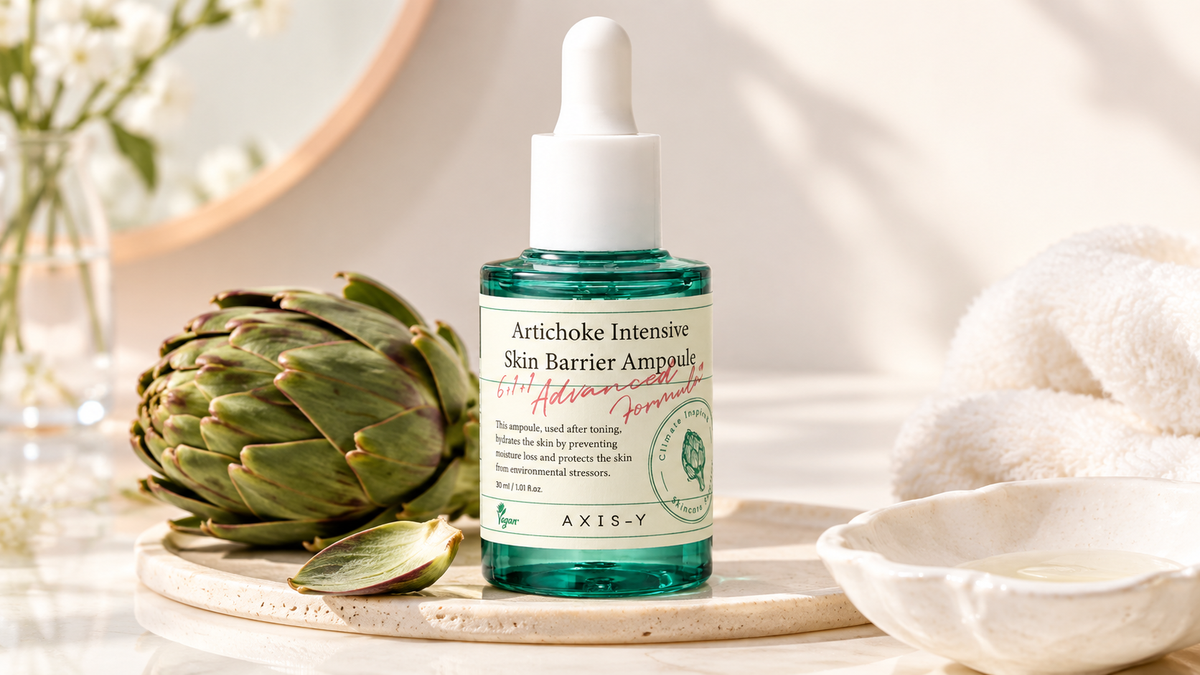
 AXIS-Y Artichoke Intensive Skin Barrier Ampoule Advanced Formula 30ml$12.0
 La Roche-Posay Cicaplast Baume B5+ Ultra-Repairing Soothing Balm 100ml$23.0
 Atopiclair Non-Steroidal Cream 100 ml$17.8
 Uriage Bariéderm-CICA Cream with Copper-Zinc 40ml – Repairs & Soothes$11.9 $19.0
 Eucerin Aquaphor Baume Réparateur Skin Repair Balm 40g$8.4 $15.95
Targeted formulas for barrier support
When the skin barrier is noticeably compromised, selecting the right topical vehicle is essential for restoring equilibrium. Classic emergency balms and targeted barrier creams provide immediate mechanical shielding alongside physiological replenishment. A cornerstone of French recovery routines is La Roche-Posay Cicaplast Baume B5+ Ultra-Repairing Soothing Balm 100ml, which pairs restorative panthenol with madecassoside and a rich, insulating texture to comfort stressed skin and calm visible redness caused by barrier breakdown.
For skin experiencing chafing, environmental abrasion, or acute irritation, Uriage Bariéderm-CICA Cream with Copper-Zinc 40ml – Repairs & Soothes provides dual-action insulation. Leveraging a proprietary protective complex alongside copper and zinc trace minerals, this formula creates an occlusive shield that protects irritated skin while maintaining a clean, balanced epidermal surface. For deeply weathered, parched spots, Eucerin Aquaphor Baume Réparateur Skin Repair Balm 40g offers an established semi-permeable petrolatum-based ointment that prevents water vapor from escaping without suffocating delicate cutaneous tissue.
Those seeking targeted lipid care for reactive or compromised skin may also look to specialized non-steroidal creams such as Atopiclair Non-Steroidal Cream 100 ml, developed to support cutaneous comfort and help skin feel more at ease. Meanwhile, for those who prefer lightweight layering before heavier creams, AXIS-Y Artichoke Intensive Skin Barrier Ampoule Advanced Formula 30ml offers a fluid delivery of nutrient-dense hydration designed to comfort the lower stratum corneum layers without adding excessive weight or residue.
Establishing a barrier replenishing routine
Restoring an unstable moisture barrier requires deliberate restraint and sequential layering. By progressing from light, water-binding hydrators to rich, lipid-dense sealants, you re-create the multi-phase structure of natural epidermal defense. Follow this structured routine during periods of heightened sensitivity, dehydration, or environmental fatigue.
-
1. Cleanse with non-stripping lipids
Wash with lukewarm water and a gentle, surfactant-sparing milk or cleansing cream that leaves the skin feeling supple rather than squeaky clean.
-
2. Apply a lightweight barrier serum
Smooth a few drops of AXIS-Y Artichoke Intensive Skin Barrier Ampoule Advanced Formula 30ml onto damp skin to deliver concentrated hydration and botanical comfort.
-
3. Layer a restorative soothing balm
Massage a pea-sized amount of La Roche-Posay Cicaplast Baume B5+ Ultra-Repairing Soothing Balm 100ml over the entire face to envelop fragile skin in a comforting panthenol matrix.
-
4. Target localized dry patches
Spot-apply Uriage Bariéderm-CICA Cream with Copper-Zinc 40ml – Repairs & Soothes or Eucerin Aquaphor Baume Réparateur Skin Repair Balm 40g onto cracked, peeling, or weather-chapped areas to seal the surface.
Maintaining long-term lipid integrity
Barrier care is not merely a reactive measure for acute irritation; it represents the foundation of ongoing skin longevity and health. Once the sensation of tightness and sensitivity subsides, transitioning into a preventative mindset ensures that the stratum corneum remains resilient through changing seasons, hormonal fluctuations, and active skincare cycles. Maintaining lipid equilibrium requires resisting the urge to over-exfoliate, as physical scrubs and high-concentration chemical acids strip the delicate lamellar glue long before the deeper epidermis has had time to regenerate.
A sustainable approach pairs biocompatible lipid moisturizers with daily broad-spectrum sun protection. Daily UV exposure can contribute to the appearance of a weakened skin surface and may affect the look and feel of the stratum corneum over time. By guarding the newly replenished stratum corneum against daily photo-damage and avoiding abrasive cleansing tools, you allow the skin's endogenous lipid factories to function at their peak, ensuring lasting suppleness, reduced sensitivity, and an effortlessly luminous complexion.
Frequently asked questions
What is the primary role of ceramides in skin barrier function?
Ceramides make up approximately half of the stratum corneum's lipid matrix, organizing into crystalline lamellar sheets that prevent excessive trans-epidermal water loss and protect against external irritants.
Can oily or breakout-prone skin use ceramide products?
Yes, oily skin still relies on ceramides for structural barrier integrity, and dehydration can often trigger excess sebum production. Lightweight formulations, such as the AXIS-Y Artichoke Intensive Skin Barrier Ampoule Advanced Formula 30ml, provide barrier comfort without adding heavy pore-clogging oils.
How long does it take to restore a compromised skin barrier?
While soothing balms like La Roche-Posay Cicaplast Baume B5+ provide immediate tactile relief, full structural turnover and lipid replenishment of the stratum corneum generally take between two to four weeks.
Should barrier balms be applied on wet or dry skin?
Balms and occlusive creams work best when applied over slightly damp skin or immediately following a hydrating serum, allowing the rich lipid formula to seal in surface moisture effectively.