The Rise of Ceramides: Are These Lipids the Secret to a Stronger Skin Barrier?

The architecture of the stratum corneum
The human stratum corneum is frequently conceptualized through the classic brick and mortar paradigm documented in foundational dermatology. In this physiological framework, non-viable, keratin-packed corneocytes act as structural bricks, while a continuous intercellular matrix of organized lipids forms the mortar. This intercellular matrix prevents excessive trans-epidermal water loss and restricts the penetration of environmental irritants, microbial threats, and particulate matter. Understanding skin health begins with this fragile partition, which measures mere micrometers yet orchestrates chemical defenses that preserve human hydration and internal equilibrium.
Within this intercellular matrix, ceramides constitute roughly 50 percent of total lipid mass by weight, coexisting alongside cholesterol (approximately 25 percent) and free fatty acids (roughly 15 percent). These lipids are arranged in densely packed, highly organized lamellar sheets. When the relative ratios of these three physiological lipid classes remain balanced, the skin demonstrates remarkable elasticity, hydration retention, and resistance to external friction. Ceramides serve as the hydrophobic backbone of this lamellar organization, creating a barrier that preserves moisture while keeping irritating exogenous elements out.
Ceramide chemistry and physiological classes
From a strictly biochemical perspective, ceramides are sphingolipids composed of a sphingoid base linked to a fatty acid via an amide bond. Far from being a single static compound, cutaneous biology recognizes multiple distinct ceramide classes differentiated by structural variations in their base (such as sphingosine, phytosphingosine, or 6-hydroxysphingosine) and the degree of saturation or hydroxylation of their attached acyl chains. Certain long-chain acylceramides contain an esterified omega-hydroxy fatty acid, allowing them to rivet adjacent lipid bilayers together into stable lamellar phases.
These distinct molecular configurations explain why topical skincare approaches must prioritize lipid complexity over isolated synthetics. When topical formulas incorporate identical or biomimetic sphingoid bases, the stratum corneum integrates them into existing lipid bilayers. Without adequate structural diversity across ceramides, the lamellar phases become disorganized and fluid, ultimately compromising the defensive capacity of the cutaneous mantle.
Pathways of lipid depletion
Depletion of native stratum corneum lipids occurs through multiple predictable avenues. Chronological aging naturally downregulates enzymatic synthesis of cutaneous lipids, leading to a thinner, structurally weaker intercellular membrane. Concurrently, environmental exposure—particularly low ambient humidity, rapid temperature fluctuations, and ultraviolet radiation—exacerbates natural lipid degradation. Surfactant-driven disruption from aggressive alkaline cleansers further strips away essential non-polar lipids and free fatty acids, leaving the stratum corneum fragile and depleted.
When endogenous ceramide synthesis declines, the organized lamellar matrix undergoes a phase transition, developing microscopic voids that facilitate trans-epidermal water loss. The clinical manifestations of this barrier vulnerability include chronic dryness, visible flaking, micro-cracking, and a rough texture. Concurrently, the threshold for irritant penetration drops, creating subjective sensations of stinging, tightness, and sustained discomfort under normal environmental conditions.
Topical lipid replenishing mechanisms
Topical replenishment relies on supplying exogenous lipids that closely mimic the chemistry of the intercellular spaces. When bio-compatible lipids or supportive humectants contact the stratum corneum, they fill micro-fissures within compromised surface layers. This immediate occlusion physically restricts water vapor transmission, offering instant tactile relief. Over sustained periods, physiological lipids integrate into the intercellular lamellae, restoring structural density and normal barrier function.
However, isolated ceramides are rarely sufficient on their own. Skincare science confirms that topical lipids operate with maximal efficacy when formulated in harmony with natural moisturizing factors, humectants, and complementary barrier-protective compounds. Formulations incorporating urea, for instance, demonstrate exceptional ability to bind water molecules within corneocytes while enhancing the permeability pathways necessary for deeper lipid integration. Similarly, mineral-based complexes, such as copper-zinc combinations, provide soothing protective films that encourage natural barrier resilience.
Targeted barrier solutions from French pharmacy traditions
French pharmacy traditions have long addressed barrier repair by combining physiological emollients with soothing, non-comedogenic bases. Formulations such as Uriage Bariéderm-CICA Cream with Copper-Zinc 40ml – Repairs & Soothes exemplify this approach by pairing insulating barrier-forming ingredients with purifying minerals to shield delicate, easily irritated skin while it recovers.
For skin characterized by pronounced roughness and structural barrier damage, incorporating natural humectants alongside lipid restoration is essential. Mixa Cica Repair Cream 10% Urea for Very Dry Rough Skin 400ml utilizes a significant concentration of urea to help soften the appearance of rough surface texture while deeply replenishing lost hydration. Similarly, targeted extremity care such as Eucerin UreaRepair Hand Cream 5% Urea 75ml leverages the moisture-binding properties of 5% urea to reinforce the lipid barrier of heavily washed, friction-exposed hands.
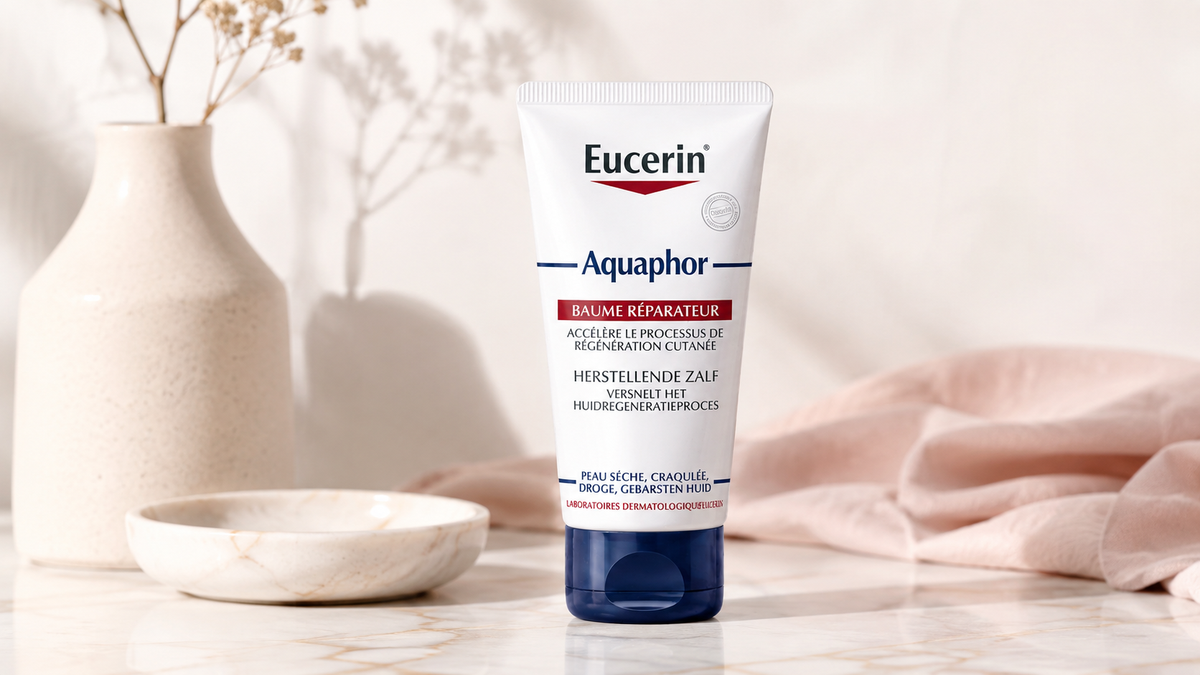
When profound barrier disruption requires pure, non-irritating physical shielding, semi-occlusive balms provide a restorative micro-environment. Eucerin Aquaphor Baume Réparateur Skin Repair Balm 40g creates an optimal breathable film over severely compromised patches, retaining intrinsic water vapor while protecting damaged tissue from friction. For persistent, sensitive barrier concerns, Atopiclair Cream 100 ml delivers focused soothing care designed to comfort and support vulnerable, easily sensitised skin.
 Eucerin Aquaphor Baume Réparateur Skin Repair Balm 40g$8.4 $15.95
 Eucerin UreaRepair Hand Cream 5% Urea 75ml$12.0
 Uriage Bariéderm-CICA Cream with Copper-Zinc 40ml – Repairs & Soothes$11.9 $19.0
 Atopiclair Non-Steroidal Cream 100 ml$17.8
 Mixa Cica Repair Cream 10% Urea for Very Dry Rough Skin 400ml$22.7 $27.0
Evaluating formulations and lipid synergy
When navigating barrier-repair products, ingredient synergy is significantly more critical than isolated marketing claims. A product containing a trace quantity of ceramides within an aggressive, heavily fragranced base cannot support fragile skin. Instead, look for well-tolerated vehicles that unite skin-identical lipids with physiological humectants like urea, glycerin, or hyaluronic acid, balanced by protective emollients.
Furthermore, the vehicle's emulsification chemistry dictates whether lipids can properly interface with stratum corneum lamellae. Multi-lamellar emulsions and biocompatible delivery bases mirror the microscopic architecture of human sebum and intercellular lipids, facilitating smooth integration. The result is a unified barrier capable of retaining hydration naturally, without depending solely on superficial occlusive heaviness.
Frequently asked questions.
Frequently asked questions
Are ceramides suitable for acne-prone skin?
Yes, ceramides are non-comedogenic by nature and represent a natural constituent of human sebum. In acne-prone individuals, stripped or sensitized barriers often lead to rebound irritation, making balanced, lightweight lipid replenishment beneficial.
How quickly can a depleted skin barrier recover with topical care?
Tactile relief from dryness and tightness often occurs immediately upon applying physiological lipids and humectants. Meaningful structural replenishment and normalized trans-epidermal water loss generally take two to four weeks, aligning with the natural turnover cycle of the stratum corneum.
Can ceramides be used alongside active ingredients like retinoids or exfoliating acids?
Ceramides pair exceptionally well with exfoliating acids and retinoids because they help mitigate the barrier disruption and flaking frequently triggered by cell-turnover actives.
Is a topical cream containing ceramides alone enough to repair severe dryness?
Ceramides function most effectively when accompanied by complementary lipids, natural moisturizing factors like urea, and gentle humectants. Severe dryness usually requires this multi-faceted approach rather than relying on a single isolated molecule.