The Myth of 'Daily Hair Washing': Why It's Not Always Necessary (or Good) for Your Scalp
The daily washing obsession

We have been conditioned to believe that cleanliness is absolute, a daily ritual that begins and ends with a foaming shower. The satisfying lather of a heavy shampoo has become synonymous with starting the day fresh, a sensory cue that we are ready to face the world. Yet, this modern habit is a relatively recent cultural shift, driven more by mid-century marketing than the actual physiological needs of our hair and scalp. For decades, the standard was a weekly wash, a ritual that allowed the hair's natural oils to travel down the shaft, providing natural protection and luster.
When we wash our hair every single day, we are often reacting to a perceived oiliness that is actually a direct consequence of the washing itself. It is a subtle irony that the very act designed to make our hair look pristine often leaves it looking dull, limp, and perpetually thirsty. The scalp is not a flat, inert surface to be scrubbed like a kitchen counter; it is a delicate, living environment that requires a precise balance of moisture and protective oils to look and feel its best.
Unlearning this daily habit can feel incredibly daunting, especially if you feel your hair becomes unpresentable within twenty-four hours of a wash. It requires a shift in perspective, moving away from the idea of stripping away every trace of oil and toward the concept of supporting the scalp's natural state. By understanding how your scalp functions, you can begin to break the cycle of over-washing and discover hair that is naturally more resilient, voluminous, and easier to style.
Understanding your scalp ecosystem
To understand why daily washing can be counterproductive, we must look at the natural oils produced by the sebaceous glands nestled at the root of each hair follicle. This natural oil, known as sebum, is not a waste product to be eliminated as quickly as possible. Instead, it is a sophisticated, custom-formulated conditioner created by your body to coat, protect, and soften the hair fiber. Sebum acts as a shield against environmental stressors, locking in moisture and keeping the hair shaft smooth and reflective.
When the scalp is stripped of this natural barrier on a daily basis, it is left vulnerable to the drying effects of tap water, styling heat, and environmental pollution. Without its protective oil coating, the hair cuticle lifts, leading to a rough texture, loss of shine, and a susceptibility to tangling and breakage. The scalp itself may begin to feel tight, dry, or uncomfortable, a sensation that many mistake for a need for more washing, when it is actually a cry for moisture.
Furthermore, the scalp is home to a unique community of beneficial microorganisms that appear to thrive when the scalp feels balanced and comfortable. Frequent use of harsh surfactants found in many conventional daily shampoos can leave the scalp feeling stripped and less comfortable, which may over time contribute to the appearance of dry flakes, discomfort, or an oilier look as the scalp tries to restore its natural feel.
The vicious over-cleansing cycle
The most common consequence of daily washing is what experts call the rebound effect. When you strip away the scalp's natural oils with harsh cleansers every morning, the appearance of oiliness tends to return very quickly — often by the following morning — prompting you to wash again, which restarts the entire cycle.
Breaking this cycle requires a period of adjustment, during which the scalp can gradually settle into a more balanced rhythm. It is a process that requires patience, as the change does not happen overnight. For a week or two, your hair may feel heavier than usual as the system stabilizes, but the reward is a scalp that eventually looks and feels healthy and beautiful without daily intervention.
It is also worth noting that the ends of your hair, which are the oldest and most fragile parts of the strand, suffer the most from daily washing. While the scalp receives a constant supply of fresh sebum, the ends rarely get their share, especially when the hair is washed before the oils have a chance to travel down the shaft. Daily washing subjects these vulnerable ends to repeated wetting, swelling, and drying, which weakens the protein structure of the hair over time and leads to split ends.
The French pharmacy philosophy
In France, the approach to hair care is remarkably different from the aggressive cleansing routines common in the United States. French beauty philosophy has long treated the scalp with the same respect, gentleness, and sophistication as the skin on the face. Rather than focusing on stripping away oil, French pharmacy brands emphasize maintaining the scalp's natural balance, using gentle botanical cleansers, soothing plant extracts, and innovative dry formulas to extend the time between traditional wet washes.
This philosophy is rooted in the understanding that beautiful hair can only grow from a healthy, balanced scalp. French pharmacies are stocked with shampoos that utilize ultra-gentle, biodegradable surfactants that cleanse without stripping. These formulas are designed to respect the scalp's natural pH and lipid barrier, ensuring that the hair remains soft and manageable even after washing. The goal is never to achieve a squeaky-clean texture, which is actually a sign of stripped, unprotected hair, but rather a soft, supple finish.
Another cornerstone of the French routine is the strategic use of dry shampoo, not merely as a quick fix for dirty hair, but as a styling and maintenance tool. Original French dry shampoos are formulated with ultra-fine, natural starches derived from rice or oats, which gently absorb excess oil without leaving a heavy, chalky residue or clogging the hair follicles. By incorporating these gentle powdered formulas, you can refresh your style, add volume at the roots, and comfortably skip a day or two of wet washing.
Transitioning your washing routine
Transitioning away from daily washing is not about suddenly stopping cold turkey and enduring weeks of greasy hair. Instead, it is a gradual process of training your scalp and hair to adapt to a more balanced rhythm. Start by skipping just one wash day a week, replacing the wet shampoo with a light application of dry shampoo at the roots. On the days you do not wash, you can still rinse your hair with warm water to refresh your style, or simply protect it with a shower cap to keep it dry.
As your scalp begins to adapt and the rapid oil production slows down, you can gradually extend the time between washes to every two or three days. During this transition, pay close attention to how you apply your shampoo. Focus the product strictly on the roots and scalp, where oil and buildup actually accumulate, and let the lather gently run through the mid-lengths and ends as you rinse. This protects your fragile ends from unnecessary friction and drying.
You can also experiment with different hairstyles on non-wash days to make the transition more enjoyable. A sleek low bun, a textured braid, or a chic ponytail are perfect styles for second-day hair, which often has more grip and holding power than freshly washed strands. Embracing these styles allows you to work with your hair's natural texture and oils, turning what you once perceived as a nuisance into a styling advantage.
Selecting your botanical formulas
The success of your new, spaced-out washing routine depends heavily on the quality of the products you use. It is essential to choose shampoos that are free from harsh sulfates, which are powerful detergents that can easily strip the scalp's delicate barrier. Instead, look for formulas enriched with soothing botanicals like oat milk, chamomile, or peony, which help to calm the scalp and maintain its natural comfort. These ingredients provide a gentle, nurturing cleanse that respects the scalp's delicate ecology.
In addition to a gentle shampoo, incorporating a targeted scalp treatment or a lightweight, silicone-free conditioner can make a significant difference. Conditioners should be applied strictly from the mid-lengths to the ends to avoid weighing down the roots. For the scalp, a weekly pre-shampoo oil or a soothing leave-on serum can help to nourish the skin, alleviate any dry sensations, and support the appearance of a comfortable, healthy-looking scalp.
Ultimately, moving away from the daily washing myth is an act of self-care that allows your hair to reclaim its natural strength and beauty. By listening to your scalp's actual needs rather than adhering to an arbitrary daily schedule, you can cultivate a simpler, more mindful routine. The result is hair that is not only easier to manage but also possesses a natural, healthy radiance that no synthetic daily shampoo could ever truly replicate.
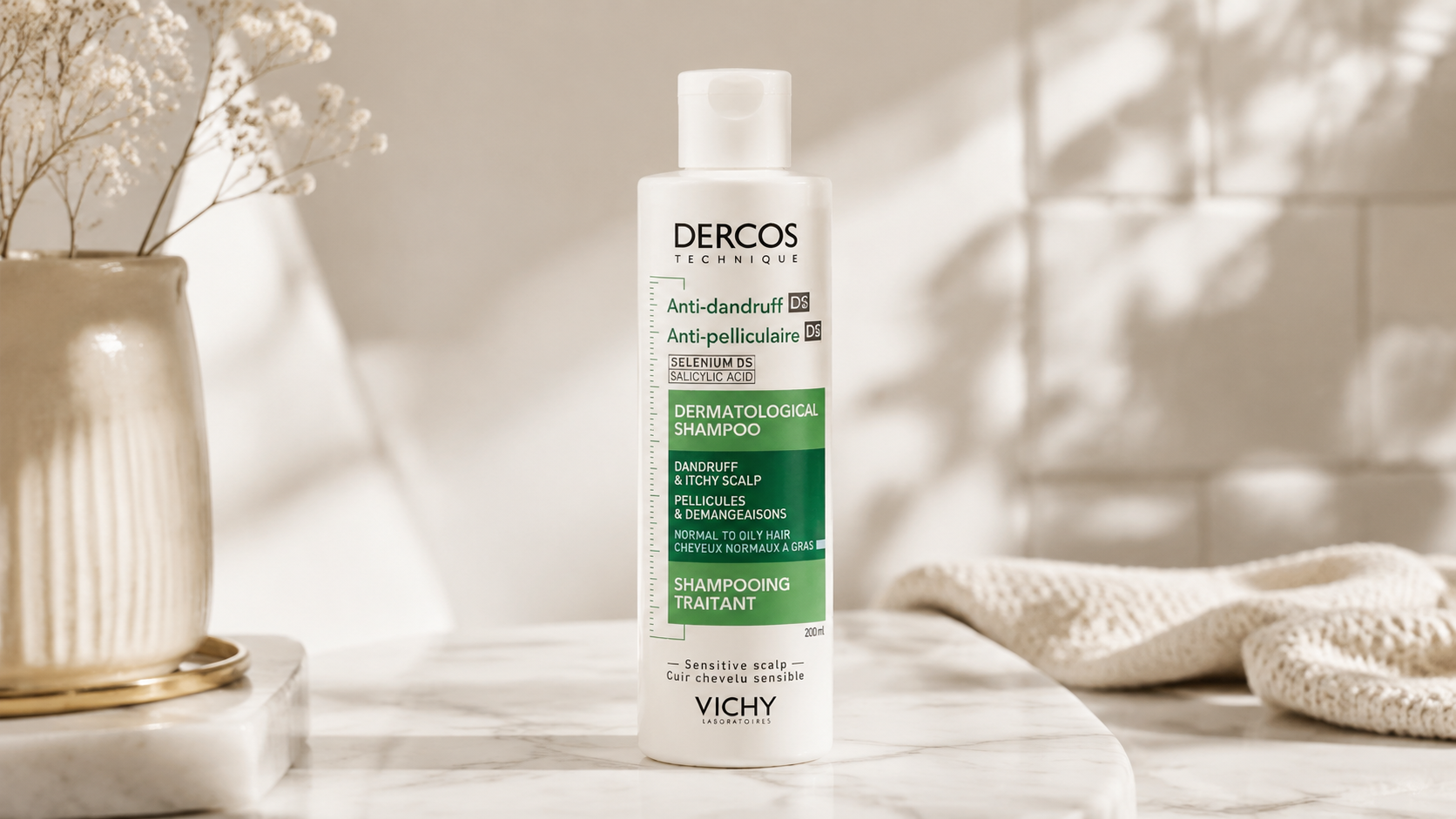
 Vichy Dercos Technique Anti-Dandruff DS Shampoo 200 ml$21.5 $25.0
 Vichy Dercos Technique Anti-Dandruff DS Shampoo Normal to Oily Hair 390 ml$26.4 $29.5
 Neutrogena T/Gel Anti-Dandruff Oily Scalp Shampoo 1% Salicylic Acid 250ml$14.4 $21.0
 Ducray Kelual DS Anti-Dandruff Treatment Shampoo Original 100ml$28.0
 Bioderma Nodé DS+ Intense Anti-Dandruff Shampoo 125ml$20.0 $24.0
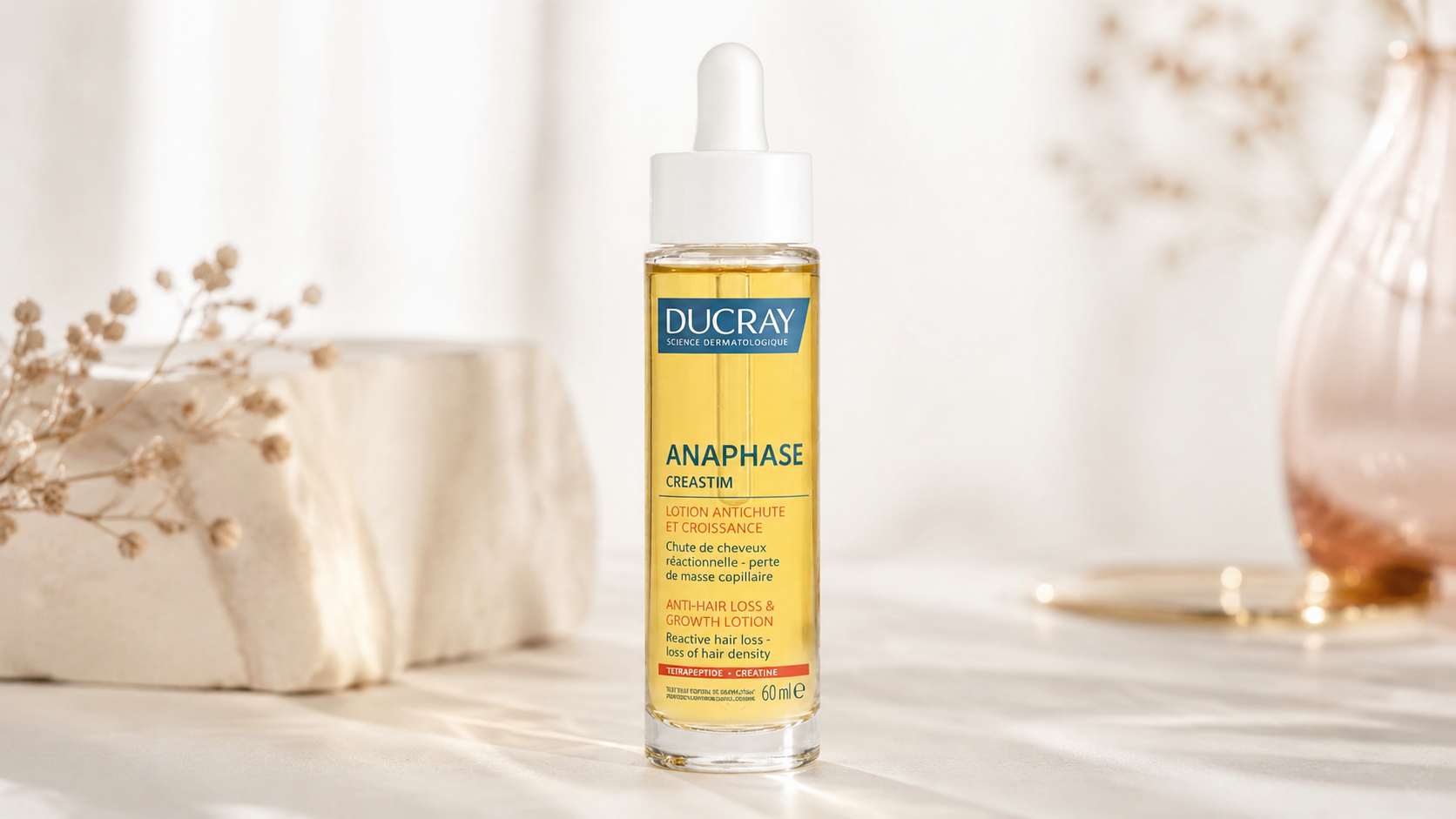
 Ducray Anaphase Creastim Scalp Lotion – 60 ml$47.24 $59.0
 Weleda Revitalising Hair Tonic with Rosemary 100ml$18.0 $21.0
Frequently asked questions
How often should I actually wash my hair?
For most hair types, washing two to three times a week is ideal. This frequency cleanses away styling buildup and environmental dust while leaving enough of the scalp's natural oils to coat and protect the hair fibers.
Will my hair stop being oily if I wash it less?
Yes, over time your scalp will adjust. When you stop stripping away its natural oils daily, the sebaceous glands receive fewer emergency signals to produce excess sebum, leading to a more balanced, less greasy scalp.
Can I still wet my hair on non-wash days?
Absolutely. You can rinse your hair with warm water to refresh your style or rinse away sweat after a workout without using shampoo, which keeps your natural protective oils intact.
Is dry shampoo safe to use regularly?
Gentle, botanical dry shampoos are excellent for refreshing your roots between wet washes. Look for formulas with natural starches like oat or rice powder, and ensure you cleanse your scalp thoroughly on your wet wash days to prevent long-term buildup.